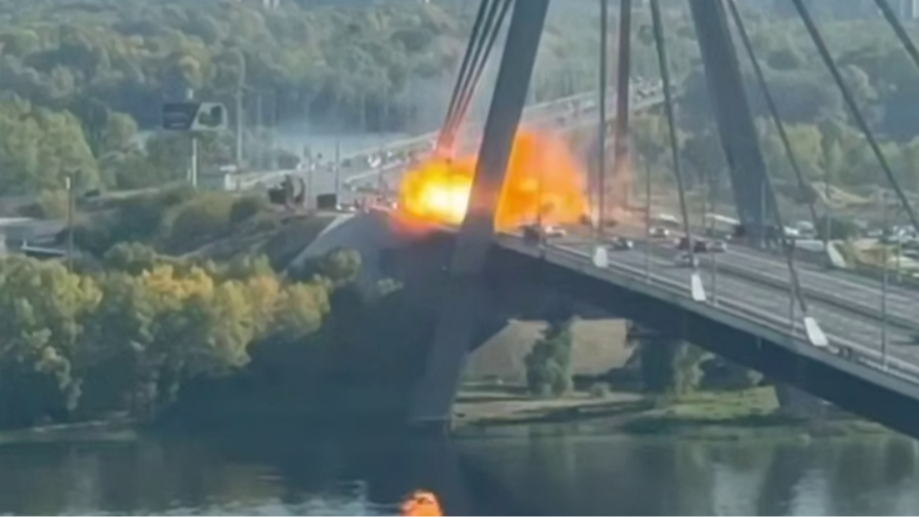
As Russia's Assault Continues, Ukraine's Politics Shift and an Old Alliance Begins to Fray
Russia has intensified air strikes on Kyiv, killing 27 people. Ukraine sees government reshuffles and potential elections, while a dispute over historical memory strains relations with Poland.
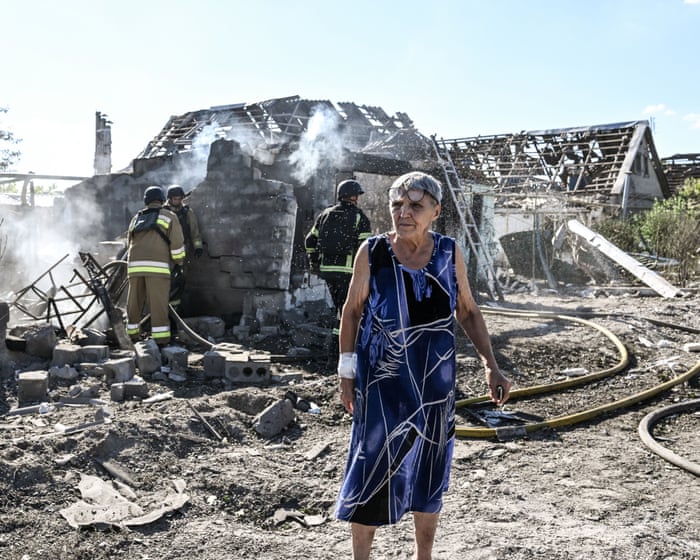
After more than four years of war, Kyiv is again facing intensified Russian air attacks. Frequent mass drone and missile strikes have killed civilians—one attack during a journalist's visit left 27 dead. Many residents seek shelter in the metro at night.
Donald Trump's attempts to broker a peace deal have failed, and the US has shifted attention to the Middle East. However, cautious optimism emerges in some quarters that a window for an agreement may open in late autumn. Ukraine hopes to avoid another winter at war, while Vladimir Putin is under pressure from Ukraine's long-range drone strikes on Russian oil infrastructure. Skeptics point to Putin's aggressive rhetoric, suggesting Moscow will double down rather than negotiate.
Domestically, Ukrainian political life is heating up. President Volodymyr Zelenskyy is about to reshuffle the government again, and there are rumors he may seek a renewed mandate in a presidential election if a ceasefire holds. Questions remain over how voting would be organized for frontline communities, occupied territories, and millions of refugees abroad.
Meanwhile, tensions with Poland have escalated. The source of the dispute is Ukraine's decision to name a military unit after the "Heroes of the UPA"—a wartime nationalist group whose branch was responsible for massacres of Poles and Jews during World War II. Poland, once one of Kyiv's most reliable allies, is outraged. Bartosz Cichocki, Poland's former ambassador to Ukraine, warned that Warsaw may now be tougher on Ukraine's EU accession path, stating there will be "no more romance, no more naivety" in the relationship. With elections approaching in both countries, the situation is expected to worsen before it improves.