Backlash over UK's new water customer accountability panels
Britain's new consumer panels meant to hold water companies accountable are facing criticism after it emerged the industry itself was consulted on how the scheme should work. Campaigners call the arrangement a 'stitch-up' that undermines genuine redress for customers.
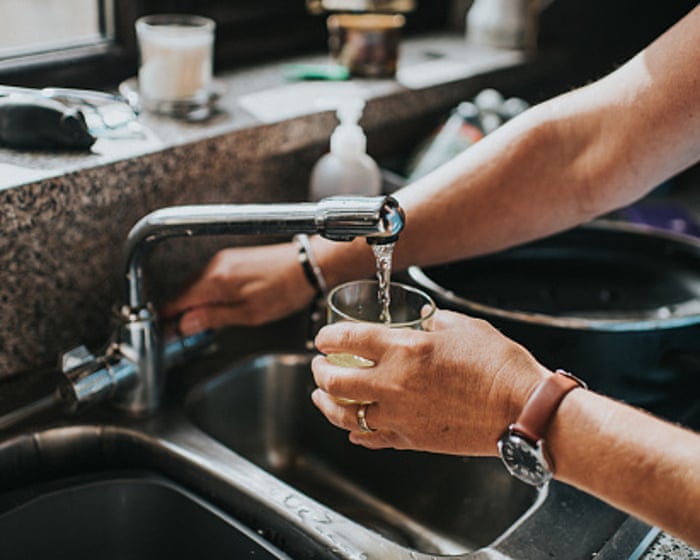
A new UK government scheme designed to give water customers more power to hold their suppliers accountable is facing criticism after documents revealed that water companies themselves were consulted on how the process should be run. Freedom of information records show the Consumer Council for Water (CCW) sought advice from an industry group on the practicalities of the new accountability panels.
Ministers pledged last year to create consumer boards allowing the public to raise complaints about issues such as water shortages and sewage backing up into homes. Parts of south-east England have gone days without water due to treatment plant failures, while hosepipe bans have persisted nationwide for months amid a lack of investment in reservoirs. Sewage discharges into waterways have continued, and water bills keep climbing.
The new panels, known as "Water Voice," are meant to give customers influence over how their bills are spent and a channel to raise concerns directly with water company executives. They form part of broader reforms launched after the general election to overhaul the water industry and rebalance power toward consumers.
Feargal Sharkey, the former Undertones singer turned water campaigner, described the arrangement as a "stitch-up," arguing that involving water companies in designing their own oversight would prevent customers from receiving genuine redress. The CCW rejected the characterisation, saying it had only worked with companies on logistics, such as ensuring chief executives could attend accountability sessions and that action plans were delivered on time.
The CCW also reported an 80% rise in complaints over the past year without a corresponding increase in resources. Separately, the government faces pressure to bring Thames Water, which is running low on funds, under public control, though concerns about legal challenges and costs have delayed a decision. A new water bill is also expected in parliament, which would replace the regulator Ofwat with a body holding stronger supervisory powers and introduce an independent ombudsman for consumer complaints.