Ship Traffic Through Strait of Hormuz Hits Two-Month High After US-Iran Ceasefire
Ship traffic through the Strait of Hormuz reached a two-month high after the US-Iran ceasefire agreement, though safety concerns remain as hundreds of vessels are still stranded.
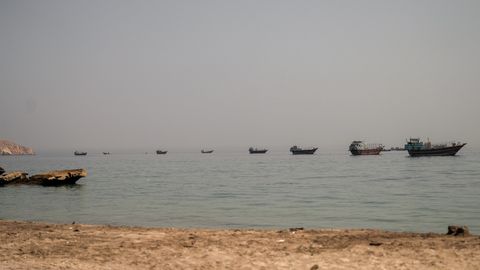
Maritime tracking company AXSMarine reported that 25 commercial vessels transited the Strait of Hormuz on Thursday, June 18, the highest daily count since April 18 and five times the average level in the first ten days of June. The increase followed a US-Iran agreement this week to end hostilities, although planned final talks in Switzerland were postponed on Friday.
Iranian forces effectively closed the strait after US and Israeli strikes on February 28 triggered the war. A brief reopening in April led to a previous peak on April 18. According to Lloyd's List, approximately 120 ships passed daily before the conflict, with the strait handling a fifth of global oil and liquefied natural gas exports.
Since early March, the average daily transits stood at 7.6. Analysts suggest the actual number Thursday may be higher, as some vessels disable or manipulate their Automatic Identification System (AIS) signals to avoid detection. AXSMarine noted the highest number of AIS interference incidents since the conflict began, affecting over 200 ships simultaneously.
Shipping groups warned this week that plans to resume traffic remain unclear and it is not yet safe. However, BIMCO chief safety officer Jakob Larsen stated that an international coordination body is expected to be established soon to facilitate transit. International Maritime Organization head Arsenio Dominguez confirmed in April that work is ongoing on a safe transit plan.
Over 500 merchant vessels and approximately 11,000 seafarers remain stranded in the Persian Gulf, with the war affecting a total of 20,000 seafarers in the region. The closure has pushed up global oil prices and halted deliveries of energy resources and essential goods such as fertilizers.
