Kulbergs Urges EU to Close Its Borders to All Russian Citizens
Latvian Prime Minister Andris Kulbergs has told German outlet WELT that the European Union should shut its borders to all Russian citizens, arguing that countries cannot properly vet hundreds of thousands of tourists. He also warned of intensifying hybrid attacks on NATO's eastern flank.
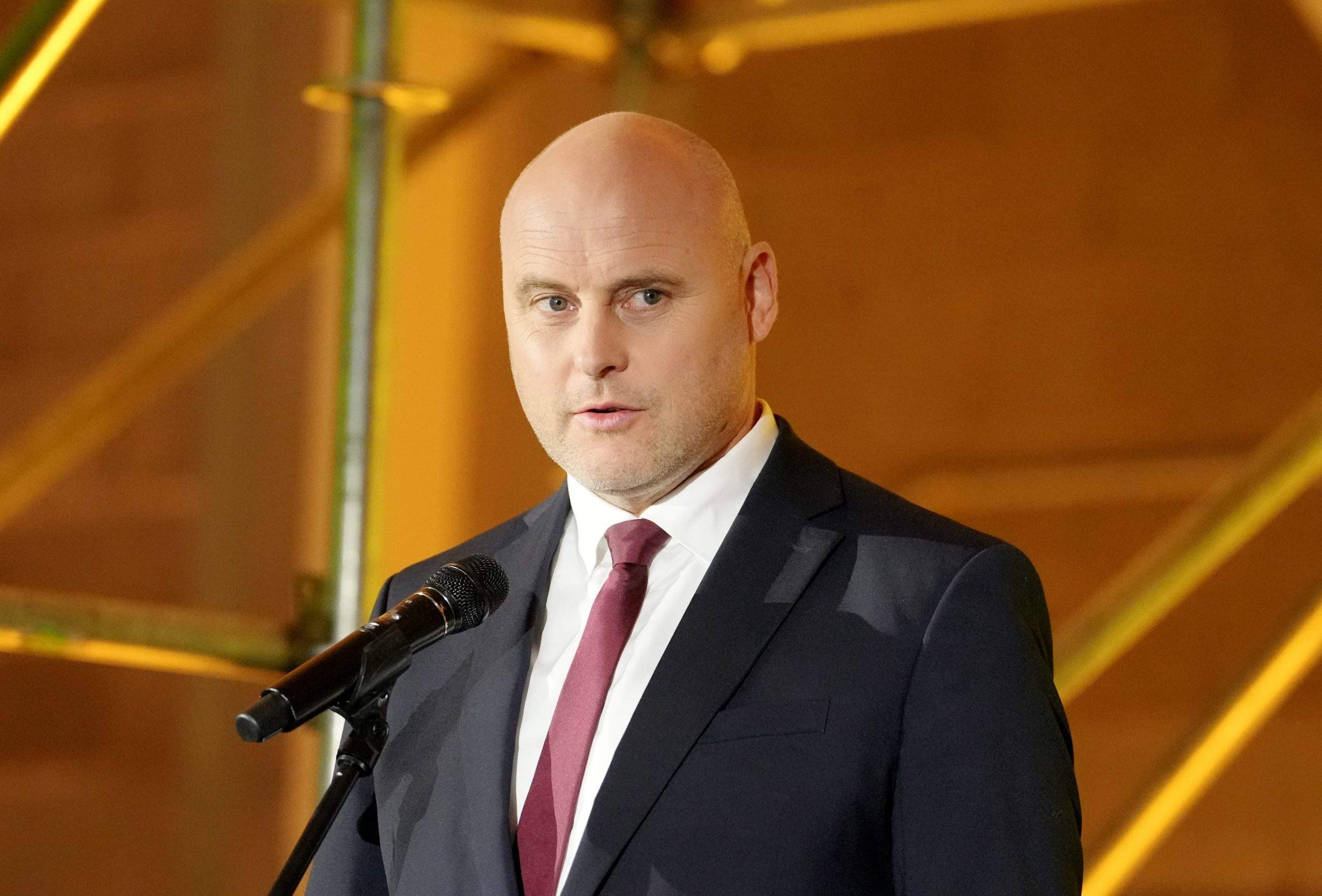
Latvian Prime Minister Andris Kulbergs (AS) has called on the European Union to close its borders to all Russian citizens. In an interview with the German outlet WELT, reported by Politico, he warned that European countries cannot adequately screen the hundreds of thousands of Russian tourists who are still allowed to enter the bloc. The report was published on 21 November 2026.
"At the moment it is too dangerous to let so many people into the European Union. We must not yield to Russia, we must not show weakness. Nobody is able to vet such a large number of people," Kulbergs said.
The prime minister also rejected the idea of returning to normal relations with Moscow after any ceasefire in Ukraine. In his view, a new era has begun.
Visa restriction efforts
In June, Latvia was one of 11 countries that signed a letter drafted under Swedish leadership urging Brussels to limit visa issuance to Russian citizens. In October, EU Migration Commissioner Magnus Brunner told Politico that the European Commission could present a relevant proposal next year.
Hybrid attacks and a "winter of truth"
Kulbergs warned that Russian hybrid attacks on NATO's eastern flank are becoming more intense. According to him, Latvian and Estonian special units detained eight people on Estonian territory last weekend, who had been given specific instructions to attack a facility in Estonia that supports Ukraine. The prime minister believes Russia is behind it.
He described the coming months as a "winter of truth". Kulbergs said Russia is attacking Ukraine's water, heating and electricity infrastructure because it has not achieved significant gains on the front, while also trying to influence public opinion in Germany and elsewhere.
He dismissed concerns that Thursday's meeting in Shenzhen between Donald Trump, Xi Jinping and Vladimir Putin could repeat the Yalta Conference scenario, stressing that the Russian leader was humiliated at the meeting. The Yalta Conference took place in February 1945, when the leaders of the United States, Britain and the Soviet Union discussed the post-war order in Europe.
Kulbergs urged Europe's largest countries, Germany in particular, not to give in to war fatigue and to keep supporting Ukraine. In his view, it is possible to be pro-European, support Ukraine and still win elections convincingly.