Kulbergs: Latvia Cannot Currently Ban Russian Grain Transit
Latvian Prime Minister Andris Kulbergs said the country can currently neither raise rail infrastructure fees for Russian grain transit by 300% nor ban it outright, citing the risk of lawsuits. He said decisions should be made at the European level.
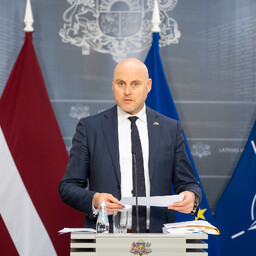
Latvia cannot at present either triple the rail infrastructure fee for Russian grain transit or ban such transit altogether, Prime Minister Andris Kulbergs said on Latvian Television's morning programme Rīta Panorāma. The issue is pressing because grain shipments through Latvia from Russia and Belarus have risen sharply this year, while European Union sanctions against Russia do not cover grain.
According to the prime minister, the grain moving through Latvia belongs to companies from allied countries, including the United States and Japan. These buyers are Latvia's partners and also purchase produce grown in Latvia. Imposing sanctions or raising taxes would affect their interests, and they could take Latvia to court. Kulbergs said the state could lose hundreds of millions of euros.
Litigation risks
On Tuesday, members of the government were told that a ban would expose Latvia to an immediate risk of legal claims worth between 200 and 800 million euros. The prime minister noted that Lithuania is currently involved in a similar case worth 12 billion euros and, in his view, may have to pay 450 million euros this year.
Baltic initiative
Latvia nevertheless intends, together with the other Baltic states, to push for limits on transit. Kulbergs, Estonian Prime Minister Kristen Michal and Lithuanian President Gitanas Nauseda recently sent a joint letter to European Council President António Costa and European Commission President Ursula von der Leyen, calling for a ban on Russian grain transit through the EU. Kulbergs stressed that exclusive authority to set both tariffs and transit conditions rests with Europe.
Fee increase and Estonia's example
Grain transit volumes this year have already exceeded those of the whole of last year. Since 13 October, the fee for using rail infrastructure for grain transit from Russia and Belarus has risen by 25% on average, far less than the government's original aim of tripling it.
Estonia introduced national sanctions earlier this month banning Russian and Belarusian grain transit. Kulbergs pointed out that Estonia's situation differs, since it had no existing transit contracts when the ban was introduced. Latvia, by contrast, has previously signed contracts covering 300,000 tonnes.