Rising fuel prices spark growing interest in electric cars in Estonia
Car sales in Estonia rose 56% over nine months, though largely due to last year's low base after a new car tax caused sales to drop sharply. Meanwhile, rising fuel prices have boosted buyer interest in electric vehicles.
Estonia sold just under 15,000 passenger cars in the first nine months of this year, a 56% increase compared with the same period last year. Industry representatives explain that much of this growth stems from last year's sharp sales decline caused by the introduction of a car tax, meaning the comparison starts from a low base. A board member of car dealership Amserv noted that while the increase is substantial, sales still fall short of the strong results seen in 2024.
Growing interest in electric vehicles
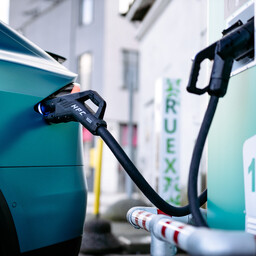
Estonians continue to favor small urban SUVs, but interest in electric vehicles is clearly rising. Until recently, electric cars accounted for just 5–6% of total sales, but in September that share climbed to around 11%, surpassing even diesel vehicle sales. The head of the car dealers' association suggested this could be driven by high global prices for petrol and diesel, or by attractive offers on electric models.
A similar pattern is seen in the used car market, where sales have grown but not yet returned to pre-tax levels. Interest in used electric vehicles has also increased, though supply remains limited, since cars imported from Europe tend to be newer, pricier, and have low mileage, leaving a shortage of more affordable, lightly used electric models.
New electric vehicle models priced between 20,000 and 25,000 euros have entered the market. At the same time, hybrid vehicles remain popular, accounting for nearly 69% of September sales. Industry experts expect the number of electric vehicles to keep growing in coming years, though hybrids are likely to remain the most popular choice, currently making up 65–70% of all sales.