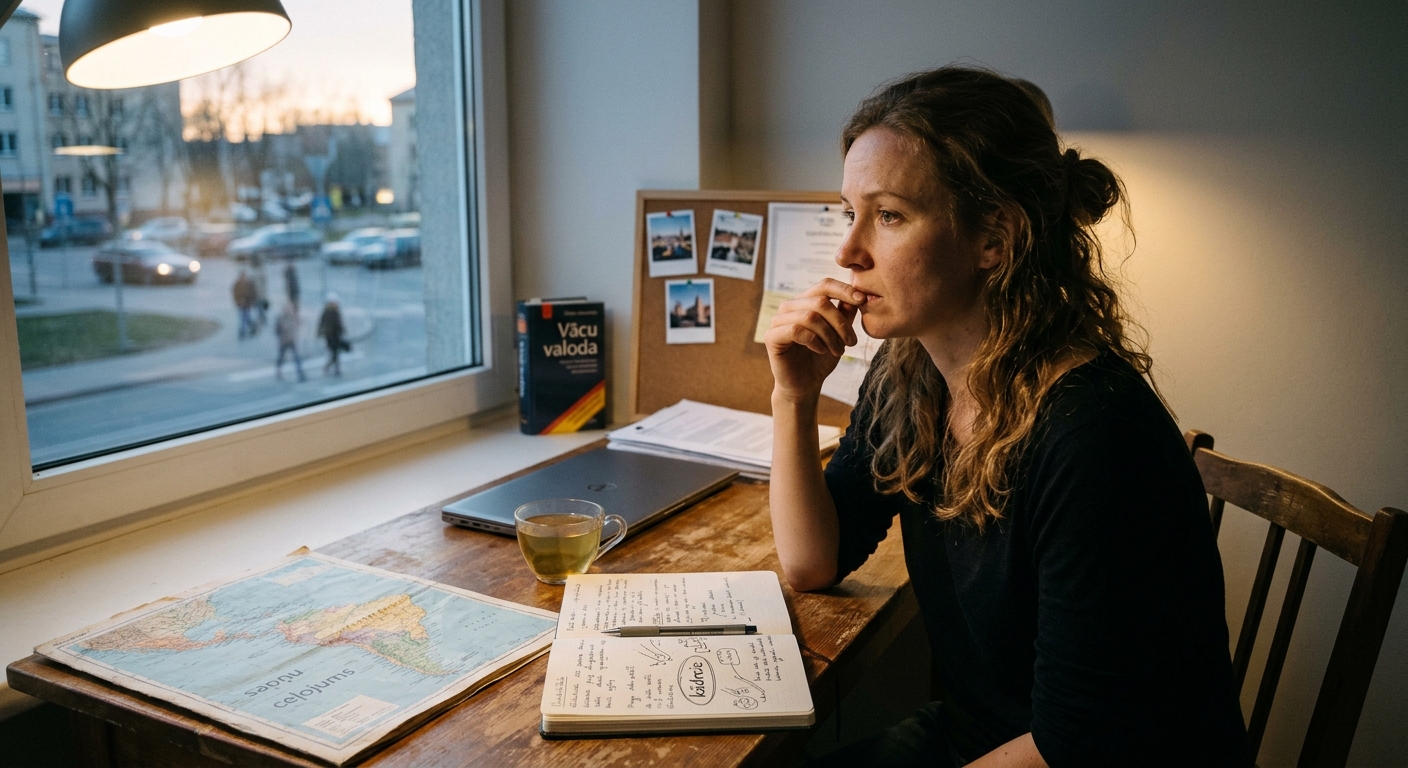
Latvian Cushing's syndrome patients get no state-funded medication
Only a few dozen people in Latvia have Cushing's syndrome, a rare endocrine disease, yet the state does not reimburse drugs when surgery fails. One patient's story shows what this means day to day.

Cushing's syndrome is a rare endocrine disease caused by prolonged high levels of cortisol, the stress hormone, in the body. In Latvia only a few dozen people have it, and the state currently does not pay for medication for patients with the endogenous form. The issue is illustrated by a 42-year-old woman identified as Anita, whose name has been changed.
The road to a diagnosis
In 2015 Anita began gaining weight, although she was physically active, walking more than ten thousand steps a day and regularly cycling. A dietitian suggested seeing an endocrinologist. The first appointment brought no answers, as her thyroid tests were normal. The diagnosis was made at the day-care unit of the Endocrinology Department at Gaiļezers Hospital, and in 2016 she underwent pituitary surgery.
In the four months after it she lost twenty kilograms, her blood pressure normalised and the swelling disappeared. Six years later the symptoms returned, because the adenoma had regrown. Last December she had radiosurgery. Doctors expect hormones to take about six months to readjust, though results may take one to three years. More than half a year later there is no change yet, and she still needs medication.
Daily life with the disease
The illness causes pronounced muscle weakness and fatigue, and in hot weather a faster pulse and anxiety. Every three months Anita has tests and adjusts her dose with her endocrinologist, Ilze Konrāde. After the first operation, hormonal swings caused her severe depression.
Untreated Cushing's syndrome is often fatal, not from the disease itself but from complications: stroke, heart attack, thrombosis and severe infections. Cortisol damages the heart and blood vessels, promotes diabetes and osteoporosis, and affects memory and mental health.
Access to medication
Anita spends about 200 euros a month, while alternative drugs abroad would cost around a thousand. Sometimes only two packs were left at the pharmacy, so she has at times bought the entire available stock. If neurosurgery has failed or is not possible, the state compensation system offers no drug alternative. Modern pharmacological therapy has been officially recognised as cost-effective and has long been waiting to be added to the Reimbursable Medicines List.