Latvia votes in parliamentary election overshadowed by Russia and cost of living
Latvians headed to the polls on Saturday in a parliamentary election dominated by security concerns near Russia and economic hardship. Polls suggest the governing coalition will emerge weakened while populist parties gain ground.
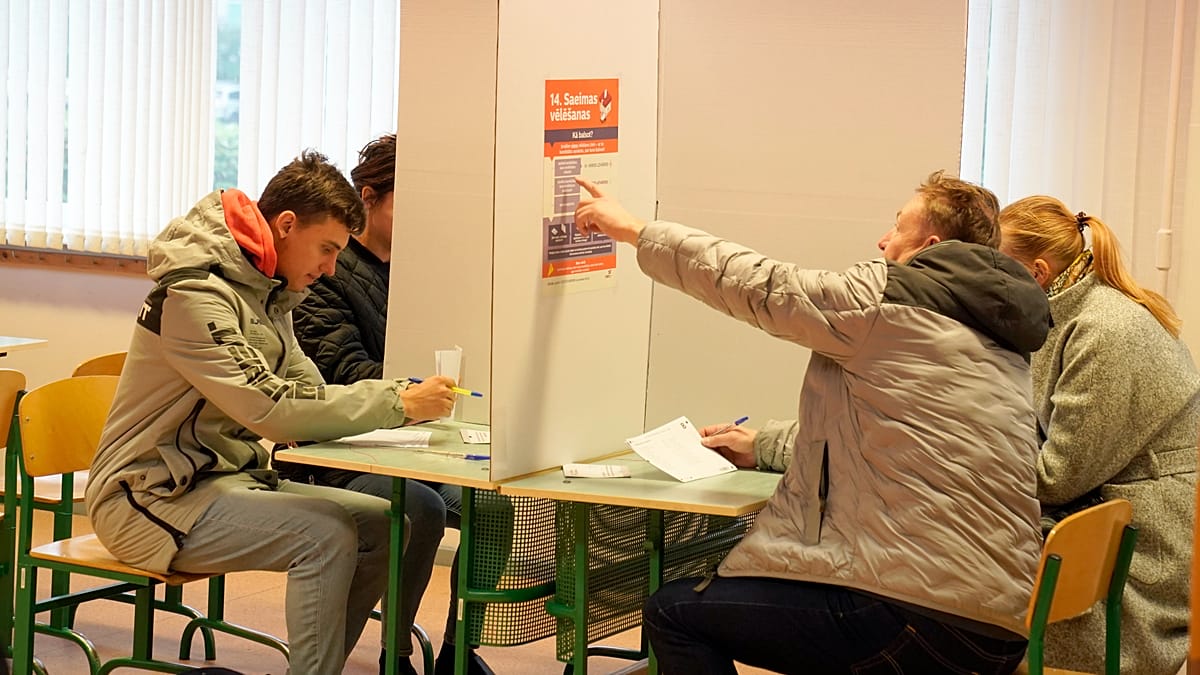
Latvians went to the polls on Saturday in a parliamentary election shaped above all by concerns over neighbouring Russia and the rising cost of living. As a key pillar of NATO's eastern flank, Latvia enjoys broad public support for backing Ukraine against Russia, according to observers. A Western diplomat based in Riga said the country's stance toward Russia remains the chief driver behind its firm alignment with the West, NATO and the EU, making major political shifts unlikely.
Surveys point to Prime Minister Andris Kulbergs' centre-right United List emerging as the largest party, but the current governing coalition — which also includes New Unity, the National Alliance and the Union of Greens and Farmers — is expected to come out weakened and may struggle to retain power in its present form. Partial results were expected Saturday evening, with preliminary official results due Sunday.
Security and economy dominate voters' concerns
According to Roberts Kits, an analyst at the Latvian think tank LaSER, defence and security will top voters' priorities, with broad consensus — barring a few dissenting voices — on keeping military spending near five percent of GDP and continuing support for Ukraine. At the same time, economic concerns weigh heavily: Latvia remains the least affluent of the three Baltic states, and while living standards have improved since EU accession in 2004, growth remains sluggish, with voters citing the cost of living, healthcare and public finances as pressing issues.
Regional disparities are stark — GDP per capita around Riga reached 101 percent of the EU average in 2024, while in other regions it falls below 50 percent. The situation is especially difficult in Latgale, home to a large Russian-speaking population and facing significant depopulation, where residents point to a lack of jobs and young people leaving.
Populist gains and a fragmented Russian-speaking vote
As elsewhere in Europe, economic concerns have boosted populist parties. The Sovereign Power party, critical of aid to Ukraine and higher defence spending, is polling around nine percent and could finish second, though it remains politically isolated with little chance of joining a coalition. Latvia First, led by businessman Ainars Slesers, is polling similarly and could become a key player in coalition negotiations.
Russian-speakers, who make up about 35 percent of Latvia's population, no longer vote as a unified bloc. The Harmony party, which once drew their support, has had no seats in parliament since 2022 and has little chance of returning. Analysts say a growing share of this electorate now votes based on economic and social concerns rather than identity alone.