Latvian Radio news team publicly opposes LSM board's stance on editor's resignation
Staff at Latvian Radio's news service have issued an open letter opposing the public broadcaster's decision to place primary blame for communication failures during last week's storm on news chief Uģis Lībietis. They are calling on LSM's board to also assess accountability at higher management levels.

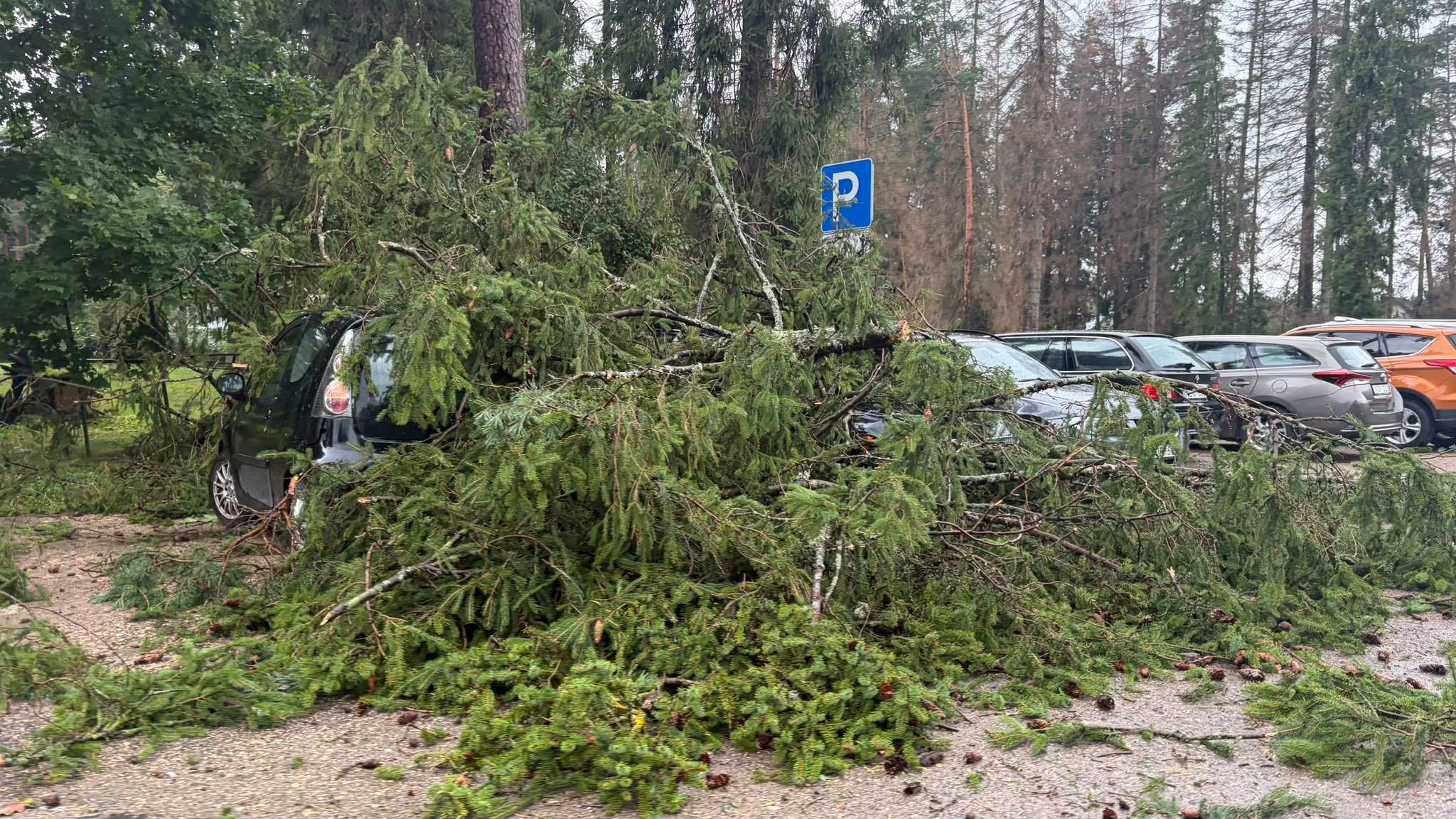
Journalists at Latvian Radio's news service have published an open letter defending their editor-in-chief, Uģis Lībietis, after he announced his resignation following criticism over the broadcaster's handling of information during a recent destructive storm.
The team acknowledges that information about the storm's aftermath was not delivered to the public quickly or extensively enough, and apologizes to listeners who expected more updates. However, they stress that staff worked in good faith, gathering information from emergency services and municipalities as fast as possible, and note that simply airing more frequent news bulletins would not have restored power or communications on its own.
Rejecting a single scapegoat
The staff point out that LSM's own board, in its assessment, identified broader systemic issues — gaps in internal communication and coordination, slow decision-making, and unclear procedures for crisis situations. Given this, the letter argues it is unfair to concentrate responsibility on one individual. The team says Lībietis stayed actively engaged throughout the storm, maintaining contact with colleagues, and that his conduct showed no negligence justifying his departure.
The letter also describes an unsuccessful attempt to resolve the matter internally before going public, saying key questions went unanswered — which, in the staff's view, points to unresolved problems in LSM's internal communication, previously highlighted during earlier disputes over branding.
Calling for accountability at all levels
The news team urges LSM's board to acknowledge its own responsibility, along with that of the editor-in-chief, for shortcomings in storm preparedness and coordination, rather than focusing solely on one department. The authors emphasize that the priority should not be finding a single person to blame, but ensuring the public broadcaster delivers necessary information more effectively in future crises.
/nginx/o/2026/08/25/17876399t1h5e25.jpg)