Latvian students' reading skills declining sharply, new PISA study shows
The latest OECD PISA study shows Latvian students' performance has significantly worsened over the past decade, with reading comprehension declining fastest. Education experts are examining several possible causes.
The latest OECD PISA study results show that Latvian students' academic performance has notably deteriorated over the past ten years. The sharpest decline appears in reading literacy, though scores in mathematics and science have also dropped.
It's important to note that reading literacy in this context means more than the technical ability to read text. It refers to the ability to understand content, identify key information, connect it with other sources, and analyze and apply what has been learned. It is precisely in these skills that the steepest drop has occurred.
Are screens to blame?
The most obvious explanation is the digital environment — smartphones, short-form video, and an overload of information that makes sustained concentration difficult. However, this trend is visible in many other countries too. What sets Latvia apart is that its decline, especially in reading, has been considerably steeper than elsewhere.
Several possible causes
Delfi asked education specialists which factors might have contributed to this trend — whether the introduction of the competency-based curriculum played a role, whether it mattered that this was the first PISA cycle in which all students took the test only in Latvian, and what part might be played by teacher shortages, screen use, difficulties sustaining attention, the lingering effects of the pandemic, or even the possible influence of artificial intelligence.
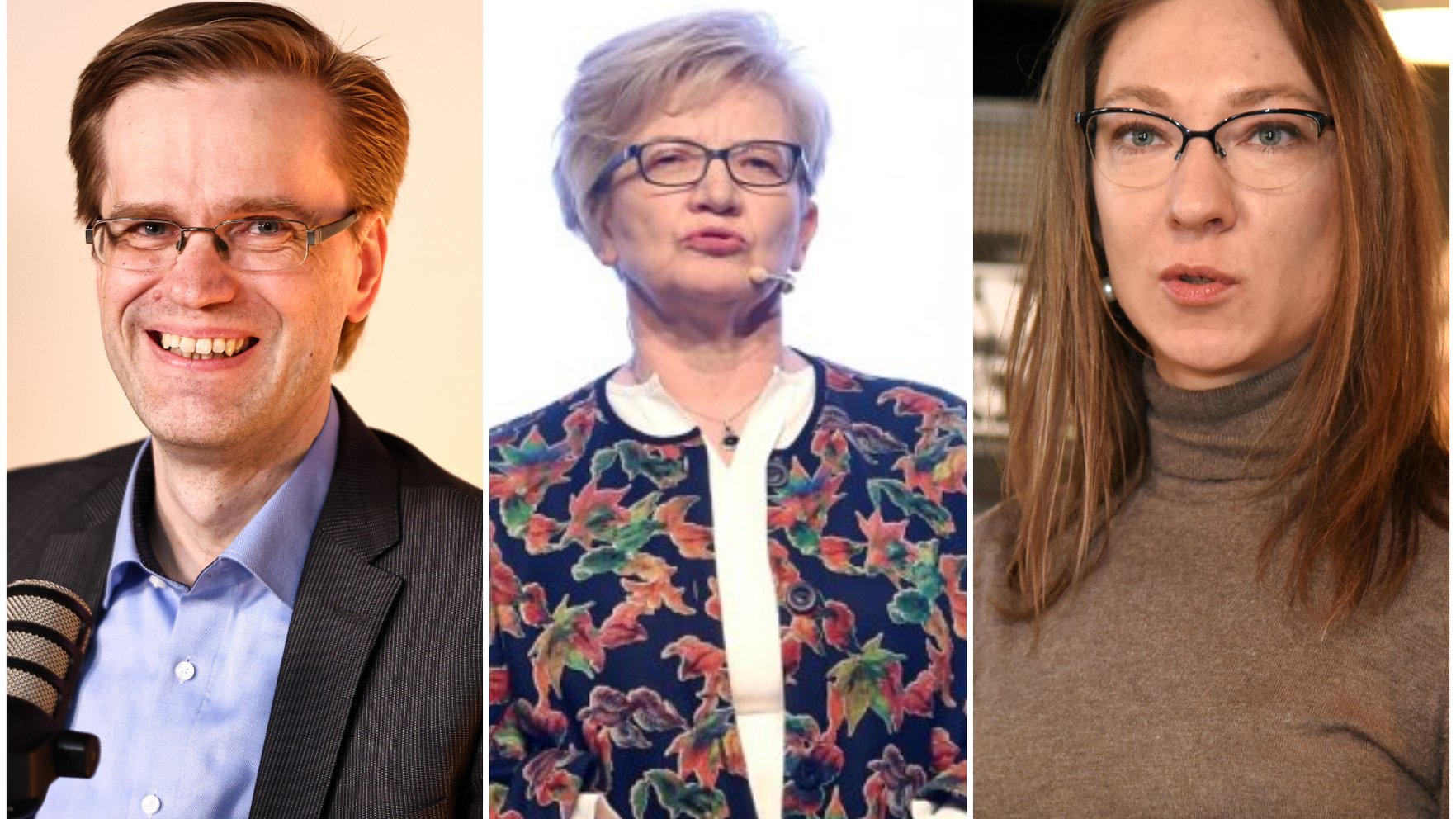
These questions were put to education researchers Dace Namsone and Ilze Mazpane, as well as University of Latvia professor Jurģis Šķilters, a researcher of perception and cognitive processes.
Not just a reading problem
Dace Namsone, a leading researcher at the University of Latvia, explains that PISA tasks — whether assessing reading, mathematics or science — all involve a substantial amount of text. As a result, weaker performance in one area tends to affect the others as well, since solving a math or science task first requires understanding what is being asked.
According to Namsone, the issue is actually broader: it concerns the ability to understand and analyze complex, multi-disciplinary and multimodal texts of the kind everyone encounters in today's world.