Latvian scientists confirm iron, manganese and cobalt in Staicele and Gārsene ores
University of Latvia researchers re-analysed iron ores at Staicele and Gārsene using modern methods and confirmed manganese and locally elevated cobalt. Deposits suitable for industrial extraction have not yet been demonstrated.
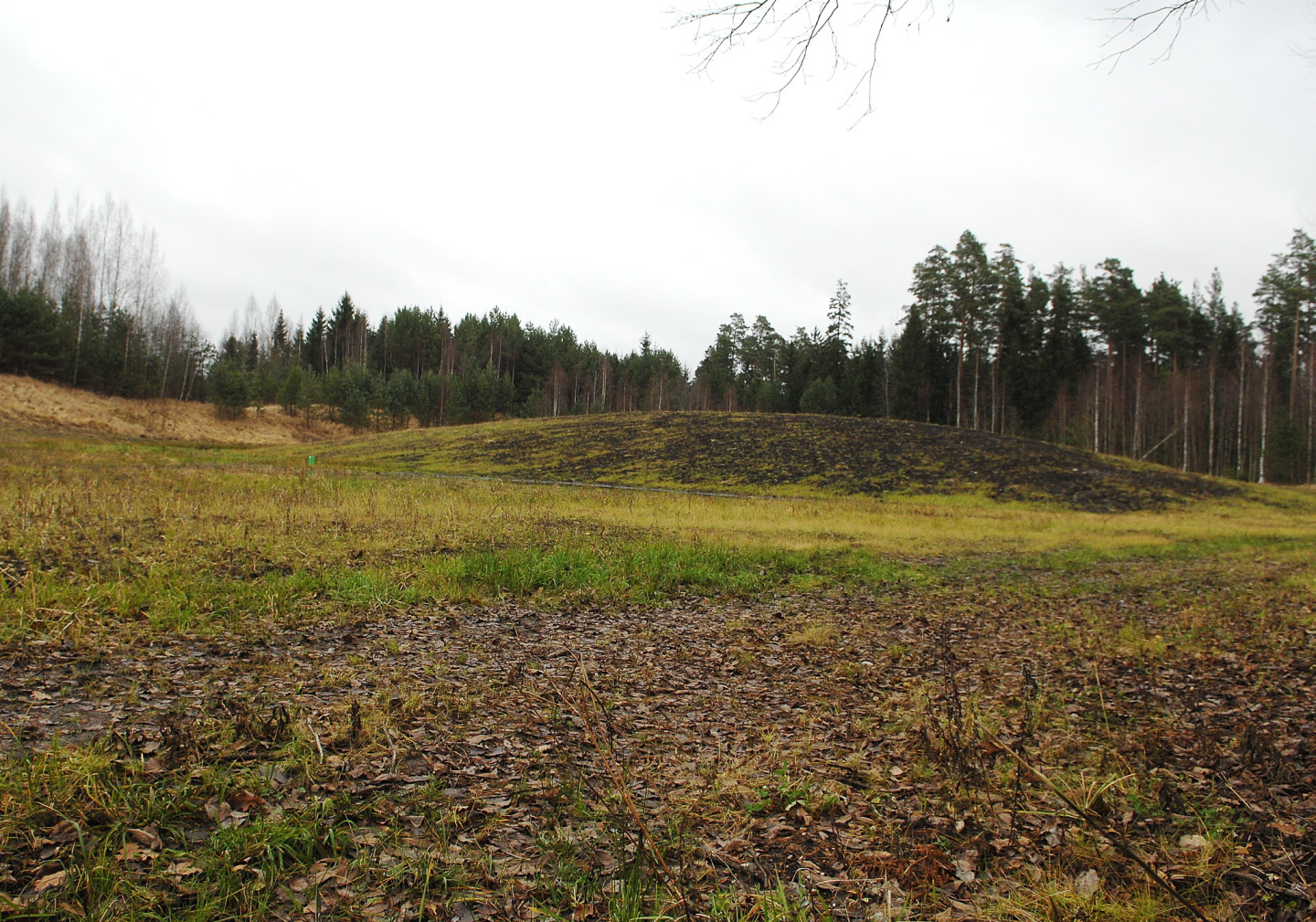
Scientists at the University of Latvia (LU) have re-examined iron ores lying deep underground at Staicele and Gārsene and confirmed the presence of manganese in them, as well as locally elevated cobalt at Gārsene. The results provide a basis for a new stage of exploration to determine the possible economic significance of these ores, the university reports.
For the first time in more than 40 years, samples from both deposits were analysed in detail using modern microscopy and spectroscopy. The work was carried out by LU geology doctoral student Dmitrijs Vorobjovs together with researchers from the Geology and Chemistry departments. The ores themselves are not a new discovery, but the newer methods allowed more precise measurement of metal content and a better understanding of how the rocks formed. The team used older drill cores kept in a repository managed by the Latvian Environment, Geology and Meteorology Centre.
What the analyses showed
At Staicele, ore-bearing rocks begin at roughly 700 metres below the surface. Researchers are interested in the combination of iron and manganese: in some samples manganese oxide reaches 18.9%. By chemical composition, the system is comparable to iron and manganese deposits in Sweden's Bergslagen region and at Jõhvi in Estonia.
At Gārsene the ores lie about a kilometre deep. In the richest magnetite quartzites the average iron oxide content is 76.5%, and in individual samples 92.6%. These are iron oxide figures, not pure metallic iron. The richest samples correspond to medium- to high-grade iron ores. Cobalt, linked to the sulphide minerals pyrite and pyrrhotite, was also found at Gārsene. In the nine most enriched samples its average is about 555 grams per tonne of rock, and in some samples it approaches one kilogram per tonne. These figures cannot be applied to the whole deposit.
Is mining possible?
Vorobjovs stresses that there is no talk yet of deposits where extraction could begin immediately; the main result is proof that Latvia's crystalline basement contains large and varied ore systems. In earlier decades, based on indirect geophysical data, it was suggested that iron ore resources at both sites could reach several billion tonnes, but that is an earlier estimate that still needs refining.
Next steps are a new three-dimensional geological model, additional geophysical surveys and, in future, new boreholes. Any extraction would depend on depth, the size of the richest layers, composition, costs and environmental requirements.
The scientists conclude that the iron-bearing sediments formed on the floor of an ancient sea basin, with some metals delivered by hot solutions from underwater volcanoes. The findings were published in the journal Bulletin of the Geological Society of Finland, and the work was carried out in a project funded by the Latvian Council of Science.