UK farmers urged to watch for rodents as activity rises ahead of winter
Oakwood Farm Services, a UK farm services company, reports unusually early growth in rodent numbers on farms. Farmers are advised to check storage areas and choose a control method early.
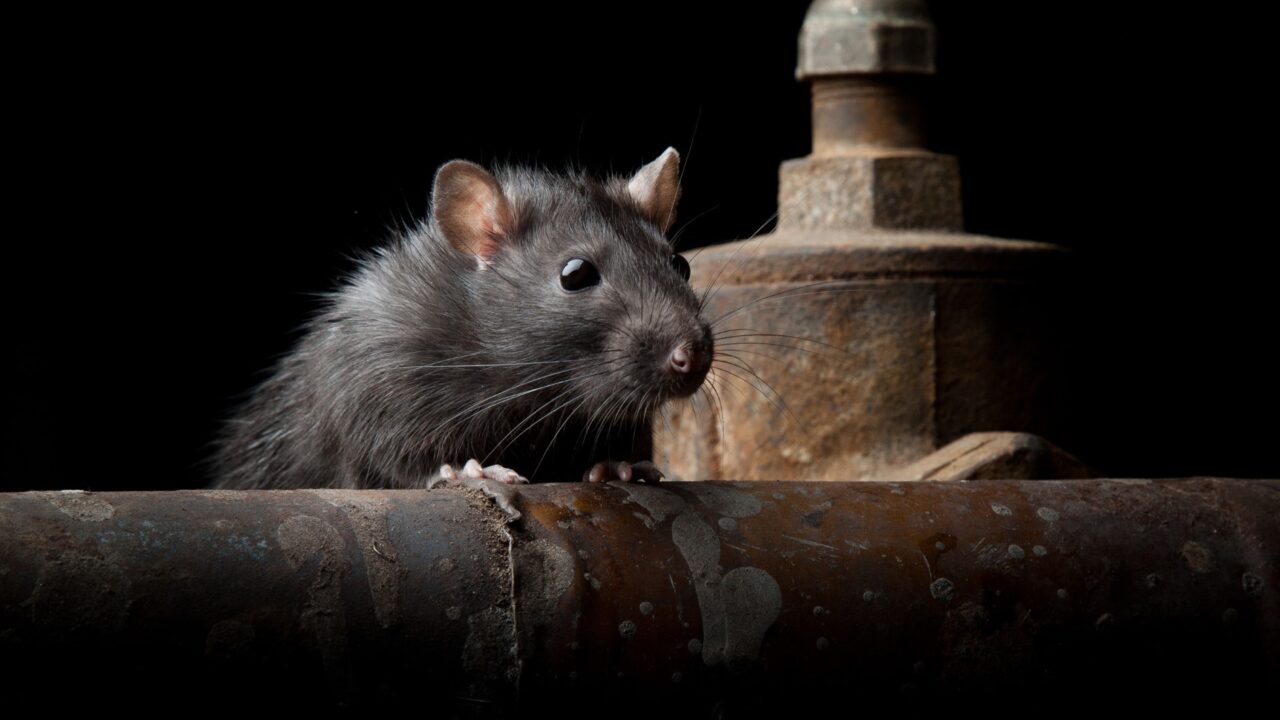
Farmers in the United Kingdom are being urged to stay alert for rodents on their holdings after farm services company Oakwood Farm Services reported unusually high activity. Rodent numbers normally climb in November, but this year populations in farm buildings began rising in September. The increase could put stored grain, feed and farm infrastructure at risk.
Dave Reece, director at Oakwood Farm Services, said the surge came as a surprise. In his words, the dry summer would have made it hard for rodents to reach water, but the earlier harvest may have driven them into sheds ahead of schedule.
Warning signs
The company recommends checking straw and haylage bales, silage pits and the areas around water troughs, where rodents tend to hide. Early signs of infestation include droppings and freshly dug holes. When numbers are high, chewing damage may appear or the animals themselves may be seen.
Prevention
At this time of year, monitoring stations should be inspected every two to four weeks, rising to every three to four days once activity is detected. Other measures include repairing holes, making sure shed doors fit properly and trimming vegetation around buildings. Farmers should act quickly and choose the most suitable control method before populations become established.
Control has become harder, however: under rules introduced in January 2026, anyone buying professional-use rodenticides must show proof of approved training or certification.
Rodenticides
Poisoned bait can also be used to eliminate rodents. Reece notes that rats and mice tend to avoid unfamiliar food, so he recommends placing bait monitoring stations in sheds to find where rodents feed, then swapping the food for rodenticide. The bait should match the severity of the infestation and the risk to non-target wildlife. Options include difenacoum-based products such as the Lodi Ruby range, brodifacoum-based products such as Sapphire, and Harmonix, which contains cholecalciferol. Users must follow label instructions and responsible-use guidelines to limit risks to wildlife.