Glacier researcher: mountain landslide flows can threaten settlements far downstream
Kristaps Lamsters, a glacier researcher at the University of Latvia, explains that water, ice and rock flows can travel far down mountain valleys. After Sunday's floods in Nepal, residents have been urged to move to safer areas.
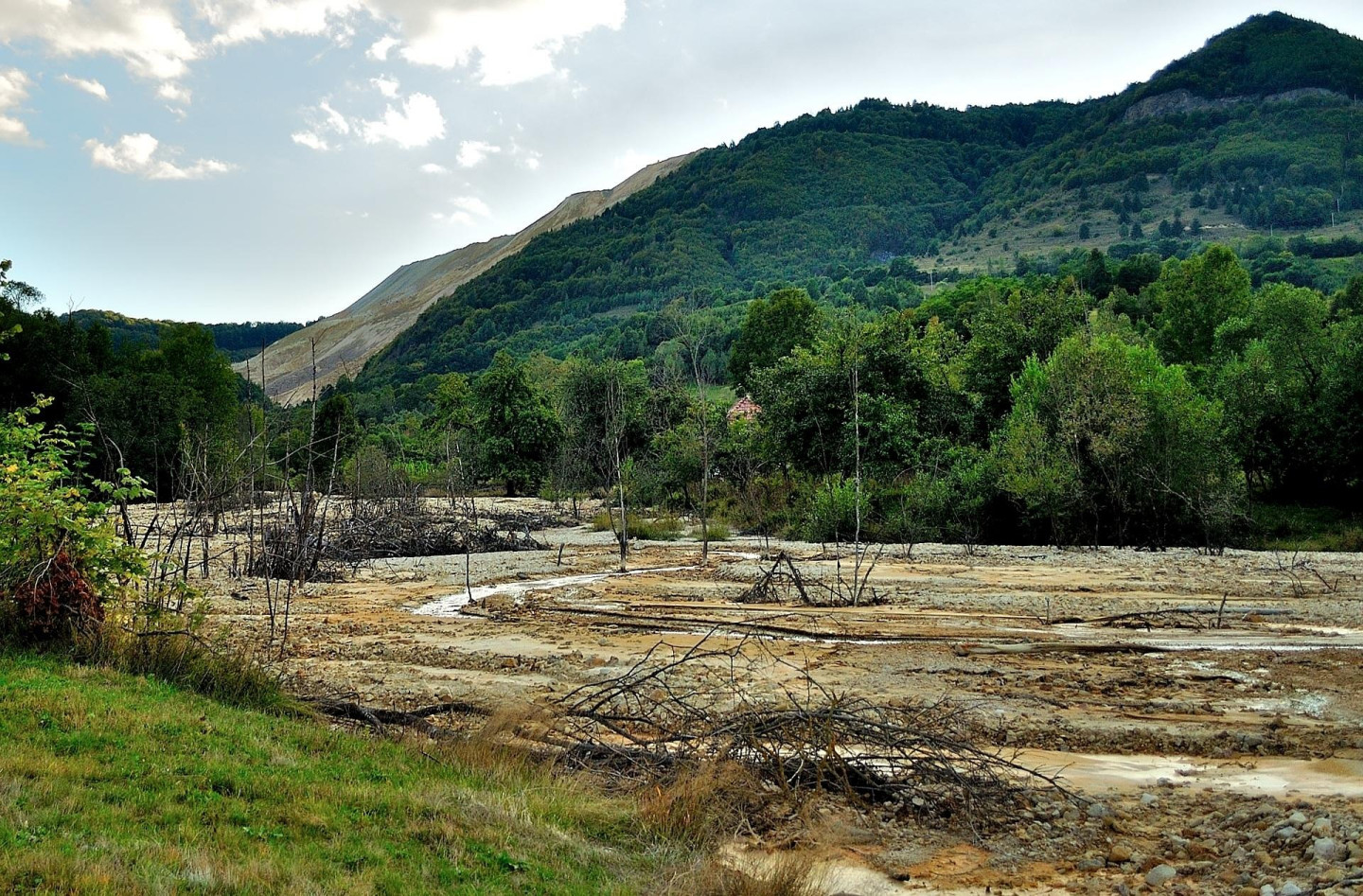
Distance from a glacier or landslide site does not in itself guarantee safety, because a rapid flow of water, ice and rock can travel a long way down mountain valleys. This was explained by Kristaps Lamsters, associate professor at the University of Latvia and a glacier researcher, on the news agency LETA's podcast "Kas tas vispār bija?!" His comments followed Sunday's floods in Nepal.
The situation in Nepal
Nepalese authorities have urged residents along the banks of the Budhi Gandaki River to move to safer places. Warnings have also been issued for areas downstream of the initially affected zone. According to the Reuters news agency, the floods destroyed homes, bridges and a construction camp for a hydropower plant.
The exact circumstances of the floods are still being investigated. Nepal's Department of Hydrology and Meteorology, as reported by The Kathmandu Post, considers it possible that a landslide blocked a tributary, followed by a sudden release of water.
How a fast flow forms
In an earlier conversation about the August disaster in Nepal, Lamsters noted that a mass of ice and rock falling downhill does not need to melt completely to turn into a rapid flow. "In fact, you don't need that much water for such very fast movement to occur," he said. Water between rock particles makes it easier for them to move.
The descending mass can also sweep up river sediments, boulders and debris left by earlier glaciers, so the flow gains new material along its path. Narrow mountain valleys channel this mass further. Settlements, roads and energy infrastructure are often concentrated in valleys, since steep slopes offer few opportunities to build them.
The researcher's explanation applies to the mechanisms of such disasters in general, not to Sunday's specific case. In Lamsters' view, a risk assessment should consider the entire possible path of the flow, including populated areas lower down.


/nginx/o/2026/07/31/17820295t1hb814.jpg)