Raccoon numbers rising on Lithuania's Curonian Spit, cull plan in works
Lithuanian authorities are drafting a management plan for a growing population of invasive raccoons on the Curonian Spit, with trapping and hunting possibly starting next spring.
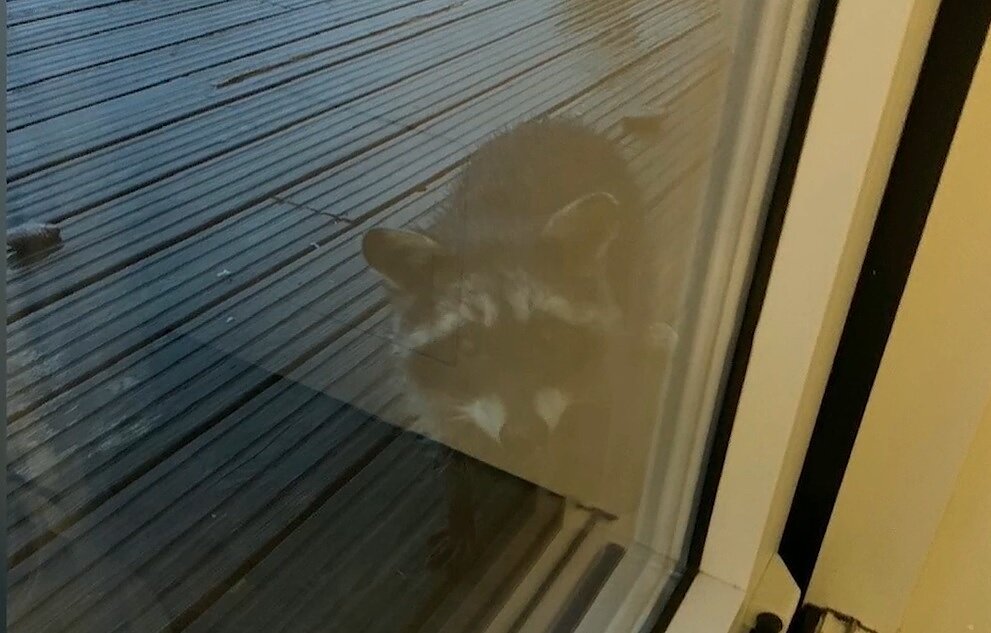
Scientists and environmental officials in Lithuania are monitoring a rising raccoon population on the Curonian Spit as they prepare a plan to manage the invasive species. Saulius Rumbutis of the Tadas Ivanauskas Zoological Museum estimates the spit could be home to between 50 and 100 raccoons, though an exact count is hard to pin down.
Raccoons are nocturnal and spend daylight hours hidden, often in large tree hollows or broken pine trunks, before emerging at night to forage. Most sightings come from around Juodkrantė, where the animals stay close to settlements with easy access to food.
Opportunistic eaters
According to Rumbutis, raccoons crack open molluscs, raid bird nests on the ground or in trees for eggs and chicks, and will readily eat food scraps such as a pizza slice left in a bin by a tourist.
Unlike on the mainland, where raccoons face predators such as wolves, those on the spit have essentially no natural enemies — most deaths there result from being hit by vehicles. Local residents say the animals are frequently seen dashing across roads at night in the forest.
Residents also warn that the uncontrolled raccoon population is harming native wildlife by destroying other species. The Environment Ministry is drawing up a management plan, with scientists cautioning that the problems will worsen without intervention.
Trapping and hunting could begin as early as next spring, using live traps baited to lure the animals. However, Rumbutis notes a drawback: unless traps are specially modified, raccoons can use their dexterous front paws to open trap doors and escape.
One theory for how raccoons reached the spit is that someone released animals previously kept in captivity.