Macron says he convinced Trump to drop diesel export ban plan
French President Emmanuel Macron said he persuaded U.S. President Donald Trump against a proposed 90-day diesel export ban, warning it would hurt both the global economy and the United States itself. Europe now relies on American diesel for more than half its imports as Middle East tensions disrupt supply through the Strait of Hormuz.
French President Emmanuel Macron said Thursday, during a prime-time television interview, that he had personally urged U.S. President Donald Trump to abandon a proposal under consideration at the White House to ban diesel exports for 90 days. Macron argued the move would backfire, harming not only the rest of the world but the American economy itself, and said experts and U.S. refiners would agree.
The United States is currently the world's largest diesel exporter, according to ClearView Energy. Pulling that supply from global markets would ripple widely, especially since the Middle East conflict has already disrupted international energy trade. Macron said the cost of that conflict is being felt broadly.
Europe leans on American supply
In recent months the European Union has stepped up diesel purchases from the U.S. to offset supply disruptions caused by restricted passage through the Strait of Hormuz. American shipments now account for more than half of all diesel imports into the bloc.
Last week Macron announced he would chair a G7 meeting to discuss releasing strategic oil reserves, and he has held talks with leaders of hydrocarbon-exporting nations to line up alternative supplies. During Thursday's interview, he also said France would deploy military forces to help protect the Saudi port city of Yanbu — which ships more than 5 million barrels of oil daily and was recently attacked by Iran-backed Houthi forces from Yemen.
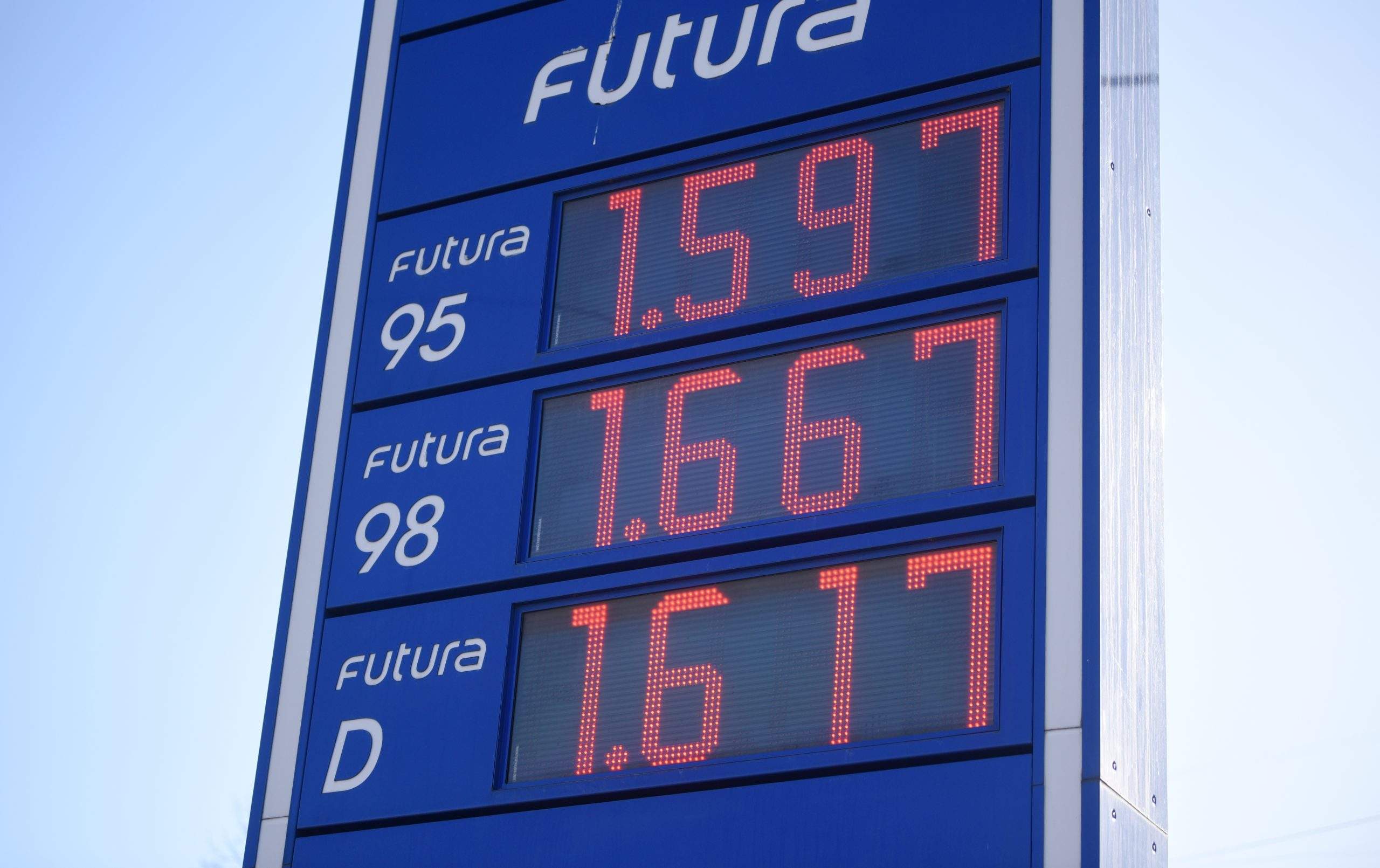
Macron has also pushed Brussels to relax EU rules on fuel composition and methane emissions in an effort to rein in soaring energy costs, though those efforts have yet to show results: diesel prices in France and across Europe hit record highs this week. His government also announced this week it would spend €450 million to extend fuel subsidies introduced in March through the end of the year.
France, however, has limited room for further fiscal support given weak economic growth, a persistently high budget deficit and a large debt burden. Prime Minister Sébastien Lecornu said last week the government would propose a €54 billion budget squeeze to bring the deficit under control.