Baptism record at Manchester Cathedral offers insight into Black Mancunian life in Georgian-era England
A rediscovered 1798 baptism entry for a 14-year-old enslaved girl from Congo sheds light on Black life in 18th-century Manchester, and a memorial is planned at the cathedral.
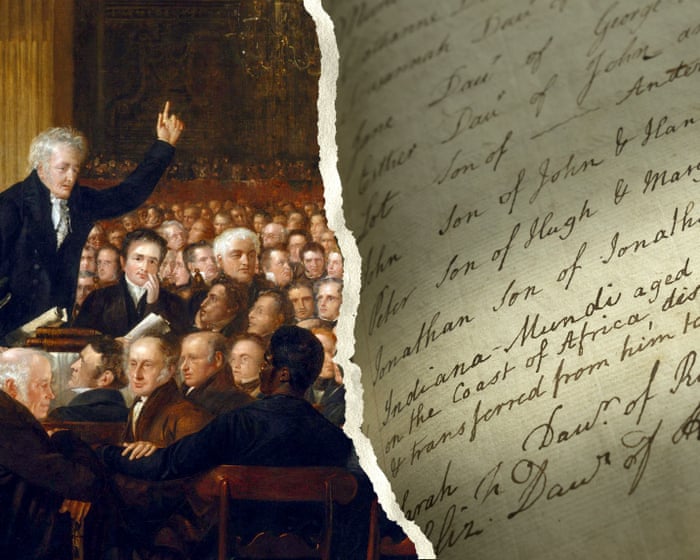
A chance rediscovery of a parish record at Manchester Cathedral has revealed the baptism of Indiana Mundi, a 14-year-old enslaved girl from Congo, on December 26, 1798. The entry notes she was "disposed of to Mr Paton at St Kitts & transferred from him to Arch.d Paton MD" before being baptised. The find offers a rare glimpse into the lives of Black Mancunians during the Georgian era, about which little is known.
Cathedral research officer Cathy Hirst found the original entry while working through 18th-century ledgers. Indiana is thought to have been a servant in the Paton household, as Black servants were then a status symbol. "Exotic" names were fashionable – Mundi, Latin for "of the world," was likely chosen by the Patons.
Cambridge academic Malik Al Nasir explains that baptism during enslavement carried political and spiritual weight. In British colonies, plantation owners discouraged baptism, fearing Christian teachings like Moses leading the Israelites would inspire literacy and resistance. There was also a belief that baptism conferred legal freedom: "You can't baptise a thing, you can only baptise a person – and because he's a person, you cannot treat him as property."
This argument was pivotal to the abolitionist cause. In 1771, London enslaved man James Somerset was baptised and later refused to work. The resulting case, Somerset v Stewart, ruled that no master could forcibly detain an enslaved person for sale abroad. While a narrow decision, it exposed that English law did not permit slavery, with the judge declaring it "so odious" only positive law could support it.
A memorial for Indiana and others enslaved in Manchester will be unveiled at the cathedral on Clarkson Day (28 October), funded by Heritage Lottery. Abolitionist Thomas Clarkson preached at the cathedral in 1787, seeing "a great crowd of black people standing round the pulpit." His sermon led to a petition signed by 10,500 Mancunians.
Despite this, the legal status of enslaved people in England remained contested. Many who sought freedom were recaptured and deported, and the transatlantic trade continued until 1807. Hirst emphasises the cathedral must confront this history: "We can't just keep celebrating the fact that we were important to the abolitionist movement."