Moscow Opens Museum on Nazi Crimes, Occupying Former Gulag Museum Space
On June 22, a new museum dedicated to Nazi war crimes against civilians during World War II opened in Moscow. It is located in the same building that housed the Gulag History Museum until November 2024.
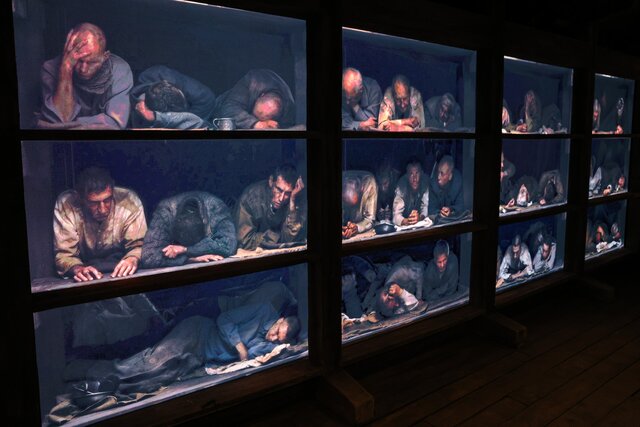
A new museum called the Memory Museum opened in Moscow on June 22, becoming what Russian state news agency TASS described as the country's first scientific, educational and public center dedicated to documenting fascist crimes against civilians during World War II.
The museum is located on First Samotechny Lane, in the same building that housed the Gulag History Museum until November 2024. The latter was officially closed due to fire safety violations, but according to Meduza sources, the real reason was the director's refusal to remove a section on Soviet repression from an exhibition. Authorities subsequently decided to merge the Gulag museum with the Museum of Moscow.
The opening ceremony was attended by several officials, including Culture Minister Olga Lyubimova and presidential aide Vladimir Medinsky. Lyubimova said she was thrilled that the new venue can reach young people and audiences of all ages with contemporary museum techniques. Medinsky called it a place that tells the story of pages of history that were never publicly discussed.
The exhibition covers 1,700 square meters and includes 18 thematic sections. These cover the origins of Nazi ideology, punitive operations in the Russian Soviet Federative Socialist Republic, the horrors of the Siege of Leningrad, crimes against children, forced deportation of civilians, and materials from the Nuremberg trials. The museum also features immersive installations such as a reconstructed prisoner transport car and a recreation of a Siege of Leningrad room.
In recent years, Russian authorities have increasingly used the term "genocide of the Soviet people" regarding the Nazi invasion. This concept has been promoted since 2020 by Alexander Bastrykin, head of the Investigative Committee. In 2025, Russia passed a law on perpetuating the memory of victims of the genocide, and in 2026 criminal liability was introduced for denying or justifying it.