Musk: Humanoid Robots Could Number One Billion Within a Decade
Tesla and SpaceX chief executive Elon Musk told China Media Group that artificial intelligence and robots could create an abundance of goods and services. He estimates the number of humanoid robots worldwide could reach at least one billion within ten years.
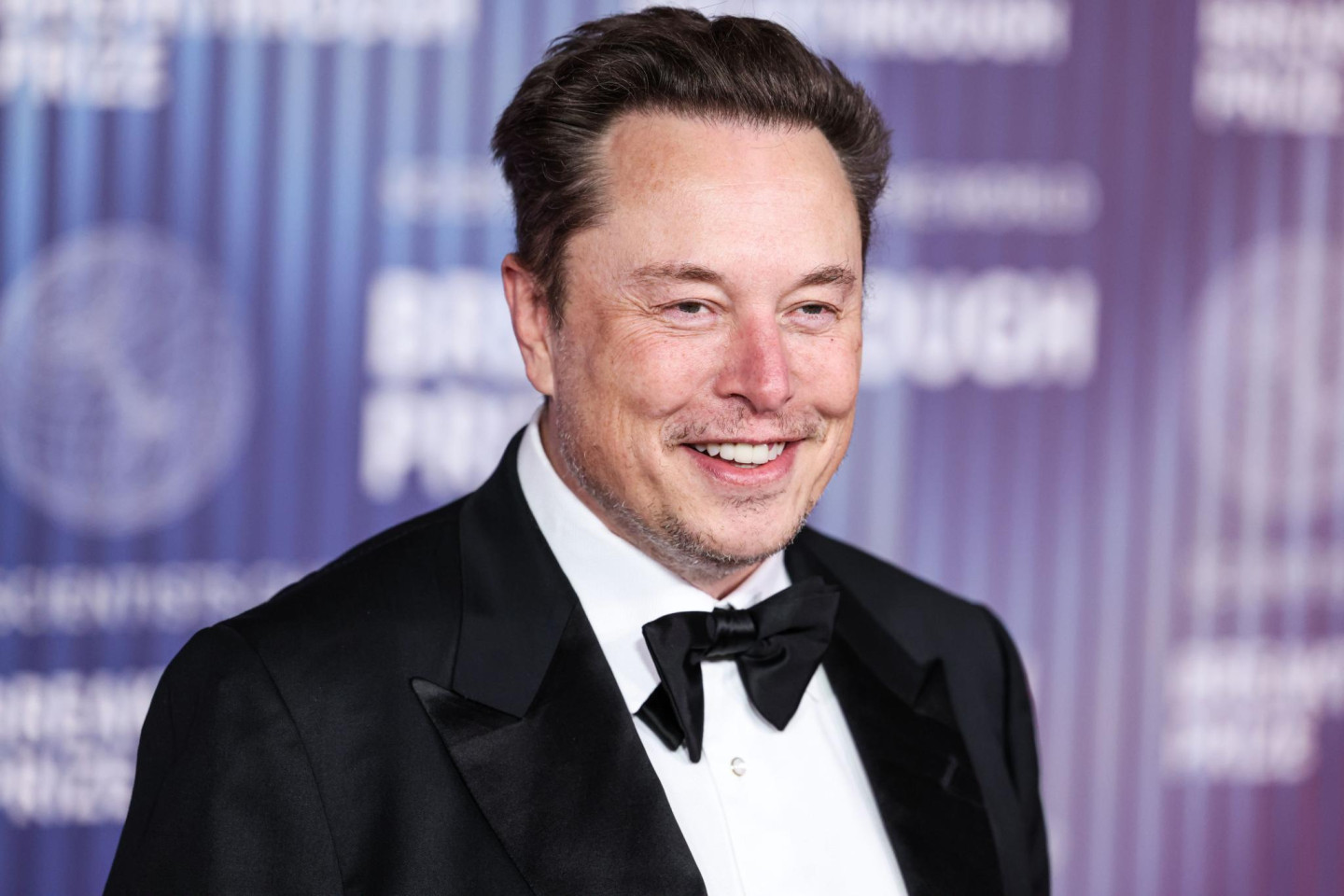
Elon Musk, chief executive of electric carmaker Tesla and space company SpaceX, has said in an exclusive interview with China Media Group that the development of artificial intelligence and robotics could eventually end the traditional scarcity of goods and services. The interview was reported by CGTN, China's international news channel. The forecasts concern the future of the labor market and the economy, making them relevant to the debate over technology's impact on society.
Abundance and risks
According to Musk, the combination of AI and a vast number of robots will make it possible to produce more goods and services than people can consume. He said the level of abundance would be such that there would be more of everything than anyone could consume. He put the probability of a favorable AI scenario at about 90%, but said the remaining 10% cannot be ignored, which is why the technology's development must be closely monitored.
Robot numbers
Musk regards humanoid robots as one of the main drivers of future economic growth. He predicts their number worldwide could reach at least one billion within ten years, theoretically 10 billion after 15 years and 100 billion after 20. In some companies there could be hundreds or even thousands of physical and digital robots per employee, so one person's productivity could multiply. Robots need no sleep, vacation or pension, and in theory can work 168 hours a week.
Work as a choice
Musk has repeatedly said in recent years that these technologies will radically change the labor market. He envisions a future in which people may no longer have to work to meet their basic needs, and work becomes a choice. If machines handle a large share of physical and intellectual work, producing goods and services would become considerably cheaper. He does not claim, however, that this scenario is guaranteed, and speaks of the need to control AI development.
AI capabilities and Optimus
Musk estimates that by the end of 2026 AI could surpass the intelligence of any single human, and within about five years that of all humans combined. One of his projects in this area is Optimus, a humanoid robot being developed by Tesla. The company hopes to start mass production, use the robots first in its own facilities and later offer them to other businesses and private customers.