Mesh Wi-Fi or a Range Extender? How to Choose What You Actually Need
Wi-Fi extenders are cheap but cut bandwidth and can be inconvenient, while mesh systems offer seamless coverage at a higher cost. The choice depends on budget and space size.
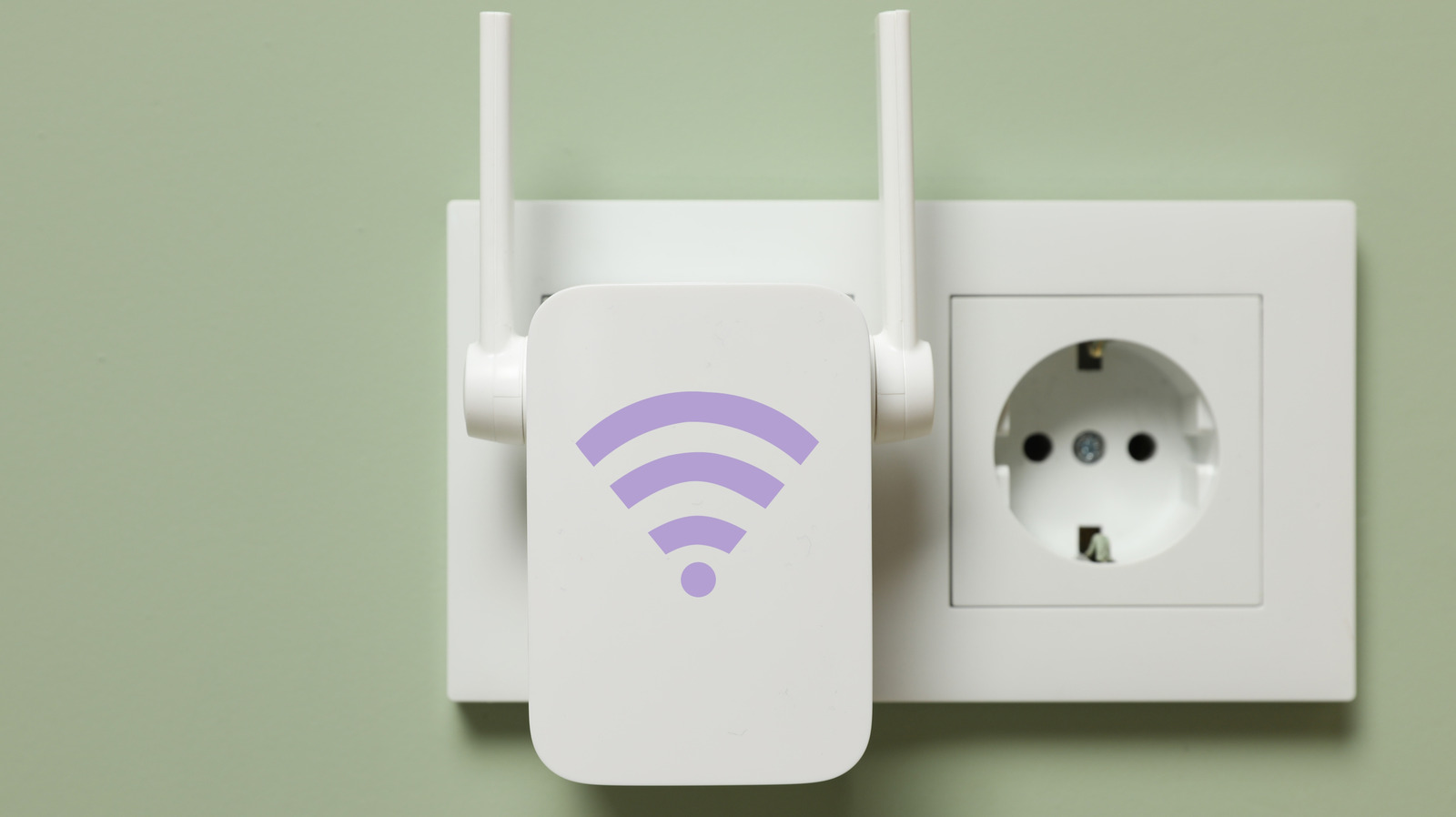
A weak Wi-Fi signal at home or in the office can be frustrating, but before switching internet providers, consider improving your current network. Two common solutions are Wi-Fi extenders and mesh systems.
Wi-Fi extenders are inexpensive and simple: they plug into an outlet and rebroadcast the router's signal to hard-to-reach areas. They work well for filling a single dead zone, like a garage or patio. However, extenders have significant drawbacks: they receive and retransmit the signal on the same radio bands, halving the available bandwidth. Also, they often create a separate network, requiring users to reconnect when moving around. For larger spaces, these limitations become more pronounced.
Mesh Wi-Fi systems, on the other hand, use multiple nodes placed throughout the space to provide even coverage. Devices automatically connect to the strongest signal, eliminating dead spots and the need to switch networks. However, these systems are more expensive and harder to set up because they replace the existing router. After initial installation, adding nodes is easy, making the system scalable. Mesh is ideal for large homes or offices needing strong coverage across multiple rooms and floors, without bandwidth loss.
The choice depends on your specific needs: if you have a single weak spot and a tight budget, an extender may suffice. For even coverage throughout a larger property and willingness to invest more, a mesh system is the better option.