Meteorologist: Polar Vortex Collapse Will Not Bring Harsh Winter to Latvia in the Next Two Weeks
Meteorologist Martins Bergsteins says the polar vortex collapse and early sudden stratospheric warming will not bring lasting frost and snow to Latvia within two weeks. The processes could still change atmospheric circulation in the second half of November or in December.
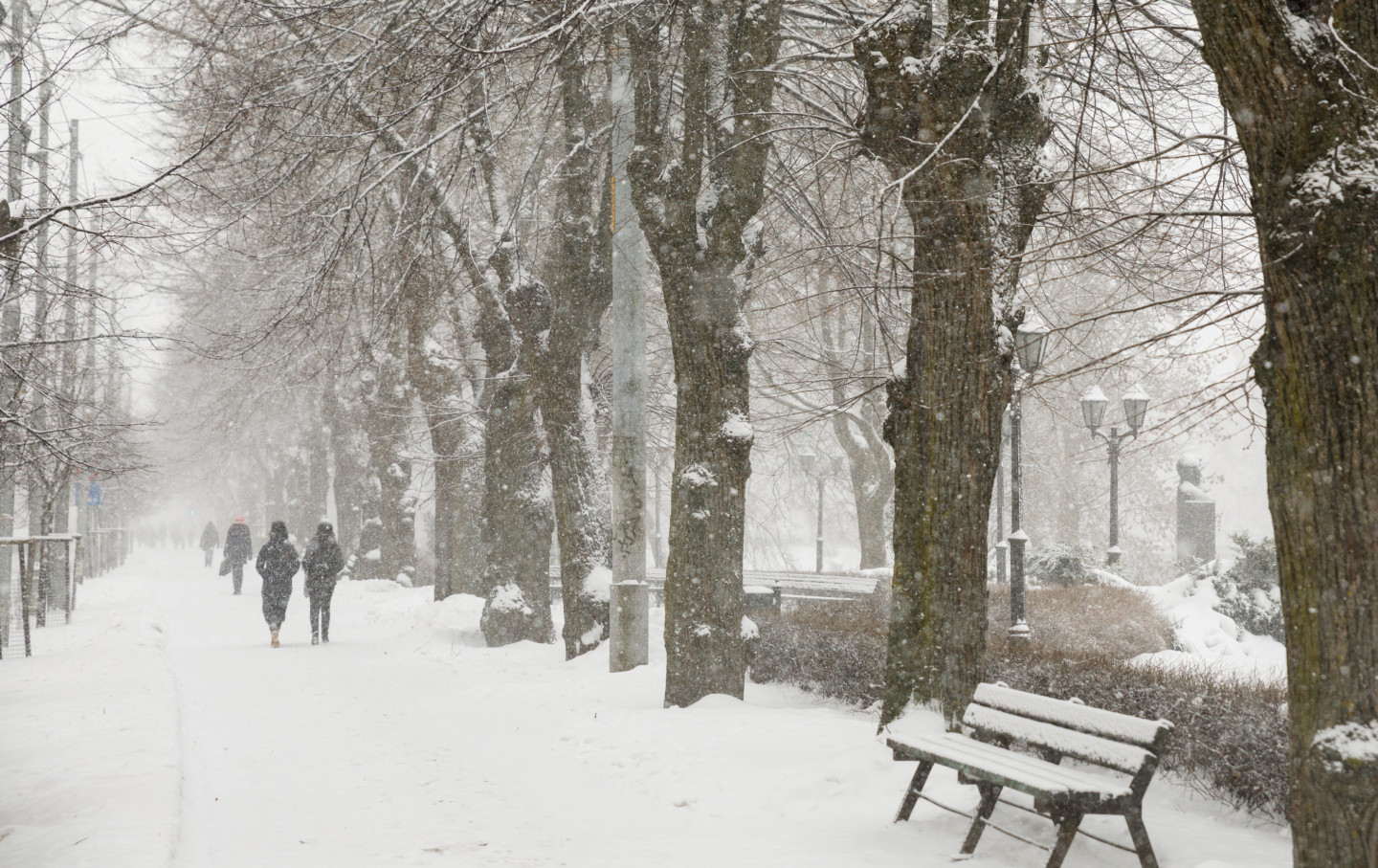
A sudden onset of winter is not expected in Latvia in early November, even though media have widely reported on a polar vortex collapse in recent days. Latvian meteorologist Martins Bergsteins explained this, referring to the sudden stratospheric warming (SSW) event, which this year has occurred earlier than any in the past 70 years of observations.
What the polar vortex is
According to the meteorologist, the polar vortex is not a surface storm or cyclone. It is a large system of cold air circulation in the stratosphere, about 25 kilometres above the Arctic. In winter, while the vortex is strong, it keeps Arctic cold confined to the polar region.
When the vortex collapses, it splits into two parts or shifts away from the Arctic. Circulation stops, and cold air can spill toward the temperate latitudes.
What it means for Latvia
Bergsteins stresses that a polar vortex collapse during winter is not unheard of, but it does not happen every year. What is distinctive this year is that it is the earliest event of its kind in 70 years.
The vertical structure of the vortex also matters. For now, the weakening of westerly winds and the easterly flow are observed only in the upper layers of the atmosphere, while a stable westerly flow persists near the surface.
Cooler air will arrive in Latvia in the coming days, but lasting frost and snow are not expected over the next two weeks. Even so, these processes could significantly alter atmospheric circulation in the second half of November or in December.
The meteorologist also explained the topic in a video on the social network X, urging people to follow further developments.