Halloween behaviour in Latvia sparks debate on social media
After Halloween on 31 October, a woman's Facebook post about children's behaviour while trick-or-treating prompted a wide discussion in Latvia. Commenters were split over politeness and the holiday's place in local tradition.
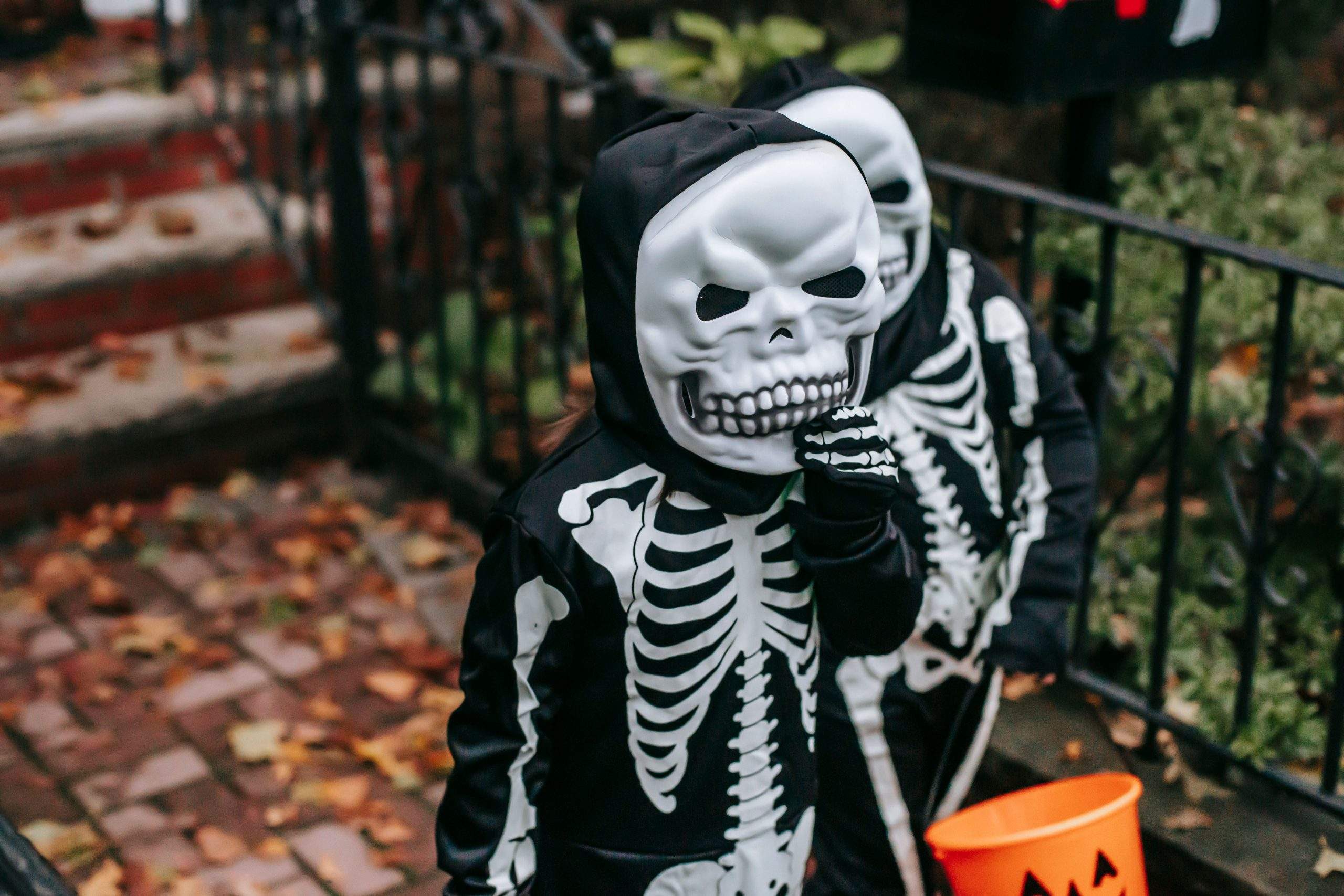
In Latvia, a Facebook post by a woman named Lāsma has triggered a broad discussion after Halloween, which was marked on 31 October. Halloween is a holiday, widely observed abroad, on which children and teenagers dress up as ghosts, witches and other characters and go from house to house asking for sweets. It is growing in popularity in Latvia, but not every resident celebrates it, and the wish of some to be left alone is not always respected.
The post
Lāsma wrote that she does not celebrate Halloween and has no objection to others doing so, but that this does not oblige her to take part in handing out sweets. In her view, an unopened door gives nobody the right to kick or pound on it. She urged parents to explain to children that nobody owes them anything, and stressed that the issue is upbringing and respect for other people's property, not the holiday itself.
Reactions
Some commenters agreed. Zane said that last year her door was kicked, marked and spat on because she did not open it. Inese said that after leaving out bowls of sweets that were quickly emptied, and later preparing small packs, she no longer wants to spend time and money on it. Līva, who takes part in the tradition, recalled an unwritten rule: do not knock at a house that is not decorated.
Others argued that upbringing, not the holiday, is to blame. Kristīne said all celebrants should not be condemned for the conduct of a few children, while Karla said the children who came to her home were polite and thanked her. Some commenters, including Skaidrīte, Agija and Ramona, regard Halloween as a foreign custom and pointed to the Latvian Veļu laiks, a traditional period of remembrance of the departed.
Practical solutions
Sanda and Normunds put up notes saying no sweets would be given, and said children respected them. Ilze said her neighbourhood has a list of addresses or an app for those willing to receive children, and suggested other districts propose something similar.