Sleep specialists: regularly going to bed after midnight can disrupt the body's rhythm
Experts warn that habitually falling asleep after midnight can upset the body's biological clock and worsen sleep quality. At the same time, there is no universal bedtime, since people differ in chronotype.
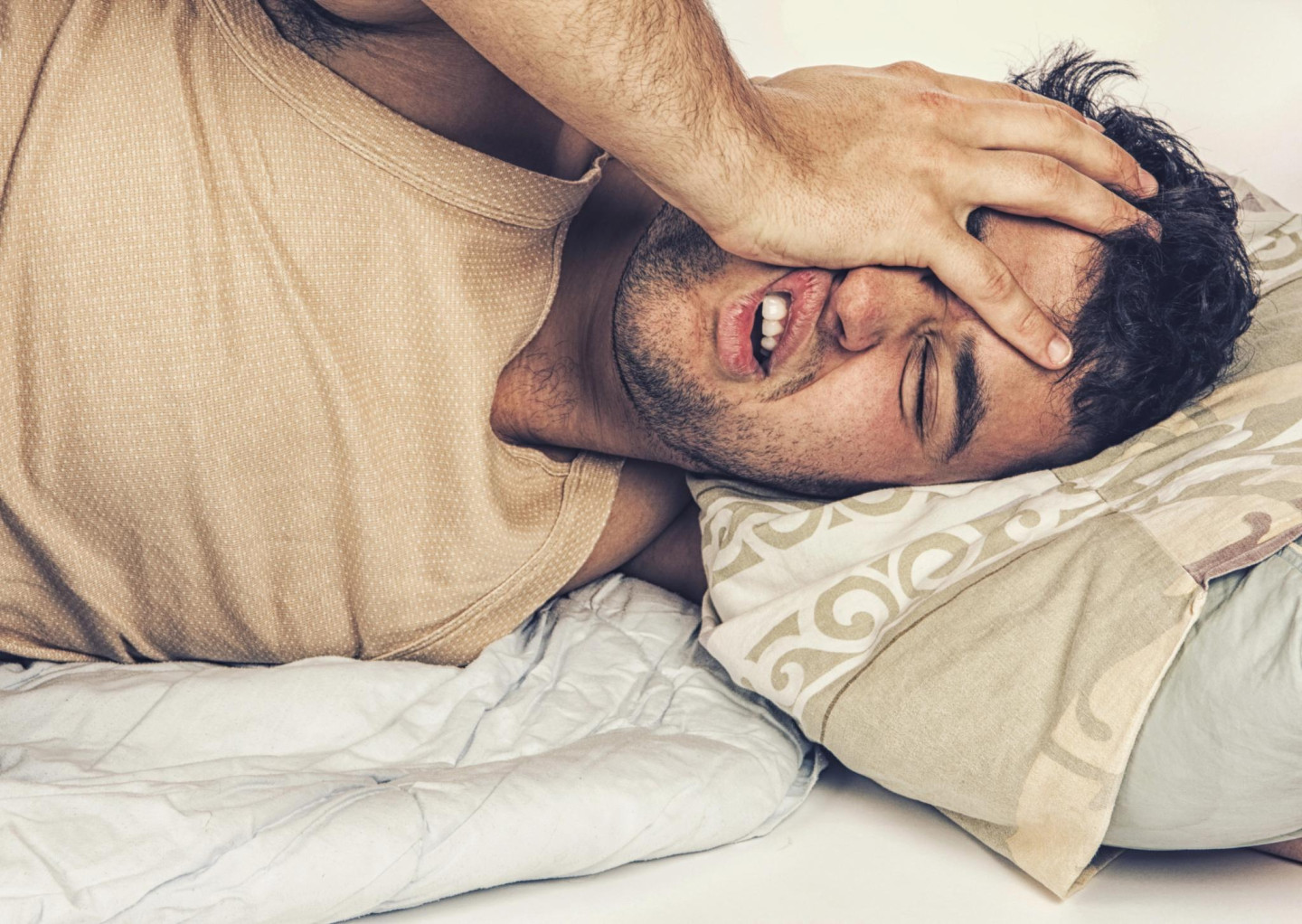
Sleep quality depends not only on how long a person sleeps but also on when they fall asleep and wake up. Sleep specialists explain that these times are closely tied to the body's internal biological clock. In their view, regularly going to bed after midnight is a bad habit, although no single bedtime suits everyone.
How the internal clock works
The human body follows a 24-hour internal rhythm. It regulates not only sleepiness and alertness but also hormone production, metabolism, immune function and cell renewal. The main cues for this rhythm are light and darkness, so staying awake late at night, especially under artificial lighting and in front of screens, disrupts it.
Two hormones behind the sleep cycle
The sleep cycle is driven mainly by melatonin and cortisol. Melatonin, known as the sleep hormone, starts to be produced at dusk, peaks in the first half of the night and helps prepare the body for sleep. Cortisol, associated with wakefulness and stress, begins to rise in the early morning hours to get the body ready for a new day.
If a person goes to bed after midnight, falling asleep may coincide with the moment when melatonin levels are already dropping, while the cortisol rise is only a few hours away. As a result, sleep becomes shallow and fragmented.
Midnight is not a strict limit
Experts stress that, from a scientific standpoint, midnight is not a dangerous threshold, because chronotypes differ between people. Problems mainly arise when a person's sleep schedule does not match their own internal rhythm, or when they must get up early after going to bed late.