National Theatre’s new production blends Sophocles and Bergman
The National Theatre’s new play “Electra/Persona” pairs two dramas separated by 23 centuries, with Cate Blanchett and Nina Hoss swapping roles each night in a daring staging by director Benedict Andrews.
A bold fusion of two masterpieces
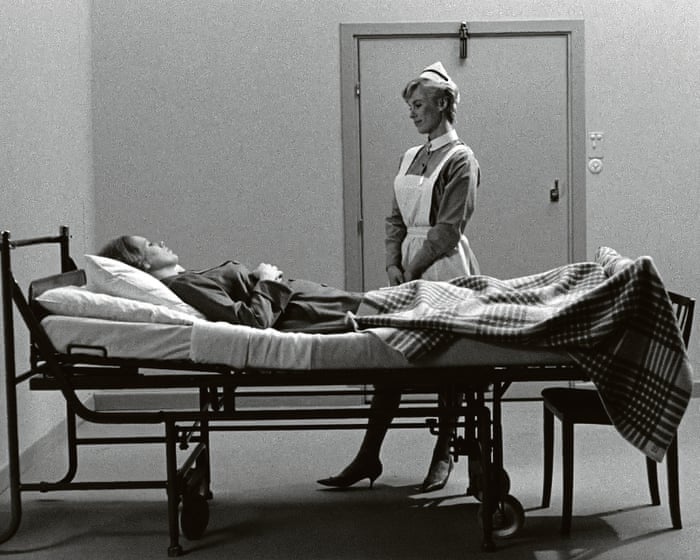
In around 420 BC, Sophocles staged “Electra”, where the title character avenges her father’s murder by her mother, Clytemnestra. In 1966, Swedish director Ingmar Bergman premiered “Persona”, in which a nurse cares for an actress who broke down while playing Electra. Now, Benedict Andrews has brought them together at the National Theatre.
Andrews, an Australian-born director living in Iceland, has built the production so that the two stories are linked by a spectacular coup de théâtre at the end of the first half. “Persona is a pinnacle of modernist cinema,” he says. “I was always fascinated by why Bergman chose to have Elisabeth break down while playing Electra. So I wanted to put them together.”
Role-switching keeps audiences guessing
Blanchett and Hoss will alternate all four roles: Electra and Clytemnestra in the first part, Elisabeth and Alma in the second. The original plan was to flip a coin onstage, but Tom Stoppard’s “Rosencrantz and Guildenstern Are Dead” (where a coin lands heads 92 times) made that risky. Instead, the actors will swap night by night, and the audience won’t know who plays whom until the first actor walks on stage. The box office won’t reveal the combination either.
Rehearsing two plays as one
“Long rehearsal days,” Andrews says with a laugh. “Yesterday we stayed in ‘Electra’ all day but I still did an hour on ‘Persona’ at the end. It’s important to do both every day. They require different energies but it’s a single hinged work.” He notes that Blanchett and Hoss are close friends who worked together on “Tár”, and they each bring a different interpretation. “They don’t look the same but there’s an echo between them. In rehearsal they think, ‘She did that there – do I take it or do my own interpretation?’”
Why ancient drama feels urgent now
Andrews believes Greek tragedy is relevant because it was written during imperial wars and collapse. “We are watching American imperialism fall apart,” he says. “These plays question notions of law, justice and power. We are trying to access the mythic power, to X-ray the inner meaning.” Along with fellow Australian directors Simon Stone and Kip Williams, he is part of a wave rethinking classics in London. “I never understood being ‘faithful’ to classics. What does that mean? I disrupt to find truth.”