NASA Safety Panel Estimates About 22 Starship Launches Needed for a Moon Landing
A member of NASA's safety advisory panel, Precourt, said the Artemis IV mission may require around 22 flights to refuel its lander in orbit. SpaceX founder Elon Musk rejected the figure, saying it will be 6 to 8.
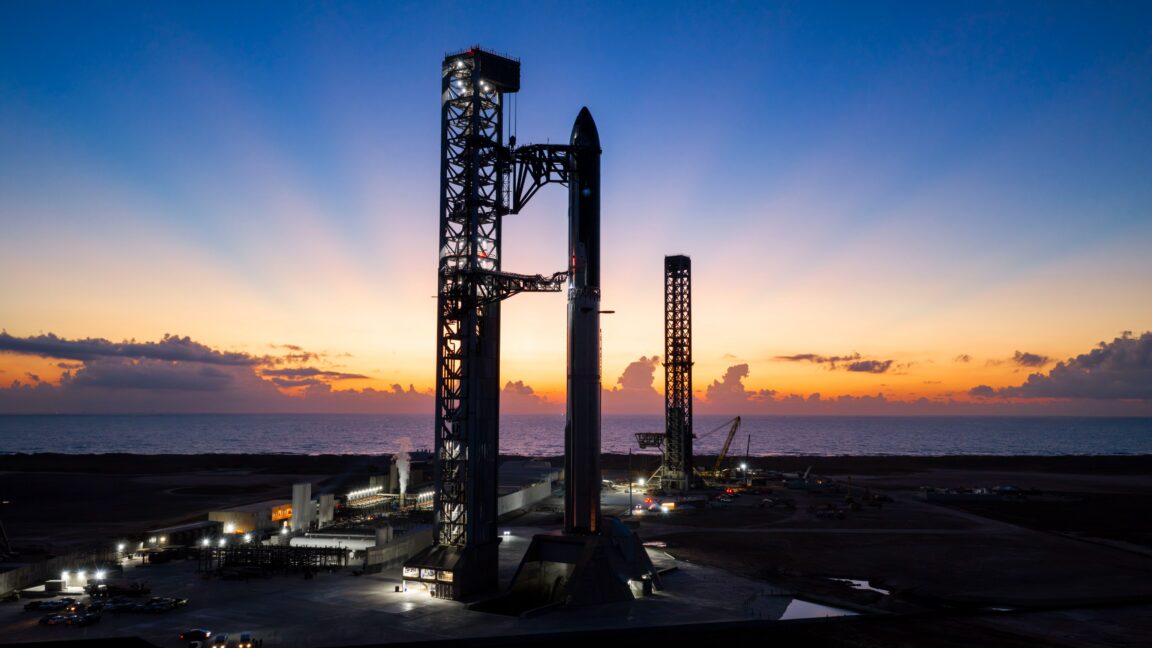
A representative of NASA's safety advisory panel, Precourt, has said the Artemis IV mission, which is meant to land humans on the Moon, may need about 22 flights to refuel its lander in orbit. He did not name SpaceX's Starship, but it is the only vehicle he could have meant. The figure matters because it bears on NASA's plan to achieve a crewed lunar landing in 2028.
Precourt said Artemis IV includes many firsts that reduce the likelihood of mission success. In his words, the agency must watch the numerous fuelings required for the lander, and the latest estimate is around 22 flights. NASA's other crewed lunar lander, Blue Origin's Blue Moon, does not use orbital refueling in its initial mission design.
The panel most likely obtained the number from NASA officials during its quarterly meetings.
Musk says the number is too high
After the article's author posted Precourt's estimate on the social media site X, SpaceX founder Elon Musk replied that the panel's figure was inaccurate. He said the actual number would be more like 6 to 8.
Uncertainty and schedule
The publication notes that considerable uncertainty remains over how much cryogenic methane and liquid oxygen will boil off in orbit and how efficiently propellant can be transferred between ships. Still, NASA can use Starship's current lift capacity to calculate the propellant mass needed for a lunar landing. For now, the agency's answer appears to be roughly two dozen Starship launches.
SpaceX is working to raise Starship's flight rate. Even if the company reaches "twice weekly" launches by the end of 2027, it would still need about three months to fill a depot for a landing.
Precourt called the problem challenging for NASA. He praised agency chief Jared Isaacman and his team for trying to help SpaceX and Blue Origin succeed with their landers by seeking out barriers and bringing in resources to keep to the schedule.