NASA’s Kennedy Space Center infrastructure strained by super-heavy rockets, report warns
A new NASA Inspector General report warns that aging infrastructure at Kennedy Space Center cannot keep up with the planned high launch cadence of SpaceX’s Starship and Blue Origin’s New Glenn, citing insufficient nitrogen supply, limited pads, and budget cuts.
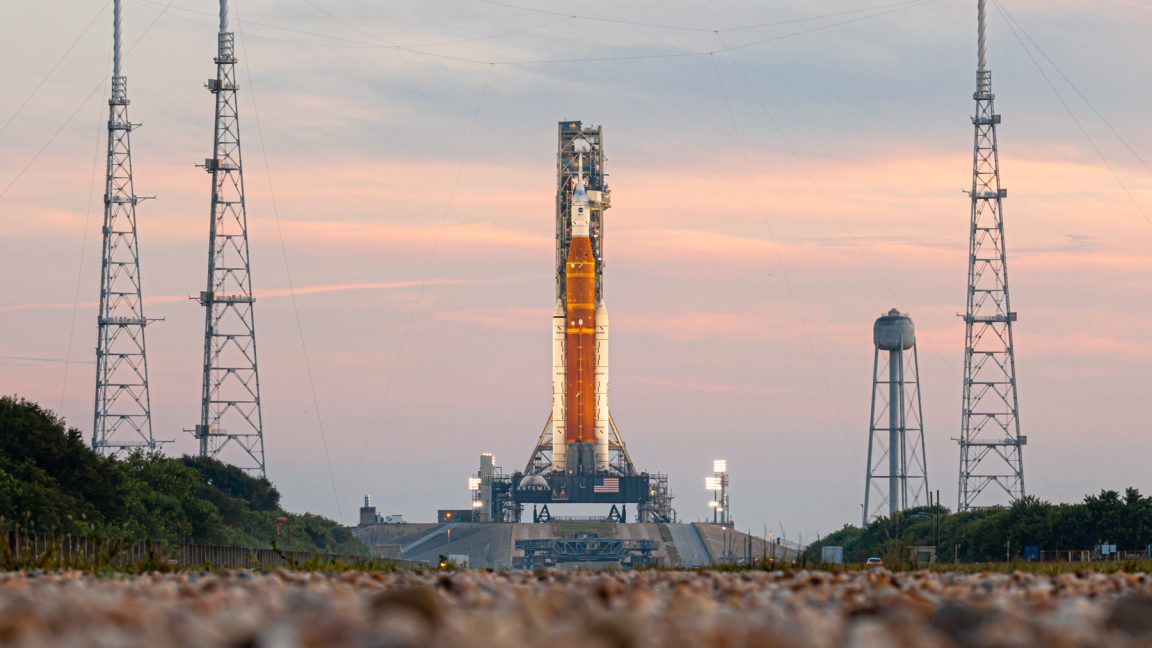
The report, published by NASA’s Office of Inspector General, highlights that the agency’s launch facilities at Kennedy Space Center in Florida and Wallops Flight Facility in Virginia are aging and under increasing pressure from commercial space companies. Most critically, the report focuses on the Florida spaceport, where SpaceX and Blue Origin plan to launch their super-heavy rockets with unprecedented frequency. SpaceX has informed NASA of its intention to launch Starship every eight days from Launch Complex 39A, and across all its Florida pads, the company projects up to 120 Starship launches per year. Blue Origin similarly expects 120 annual launches of its New Glenn rocket by 2035.
The report identifies key infrastructure shortcomings. For example, the existing gaseous nitrogen system cannot simultaneously support launches of New Glenn and United Launch Alliance’s Vulcan Centaur, causing scheduling challenges. Blue Origin officials noted that during future Space Launch System launches, there could be one- to two-month blackout periods from the nitrogen pipeline. A $25 million project to build a new nitrogen system remains unfunded. Additionally, the electrical distribution system is over six decades old, and there are 231 miles of roads and bridges that serve both Kennedy and Cape Canaveral Space Force Station.
The number of annual launches and test firings could exceed the number of days in a year by late 2028 or 2029, putting severe strain on the spaceport. Space for additional pads is limited. A potential site north of Launch Complex 39A and 39B is a protected wetland, requiring extensive federal and local approvals. Since 2021, NASA’s budgets for launch infrastructure construction and maintenance have decreased by 11 to 47 percent after adjusting for inflation. Current laws also make it difficult for NASA to accept commercial contributions for large shared infrastructure projects. The report concludes that NASA’s launch facilities are aging and under high stress, with commercial activity only beginning an exponential growth curve, while the agency faces tight deadlines in its space race with China and dwindling budgets.