NASA Tests Ernest Rover That Can Drive Faster and Lift Its Wheels to Climb Obstacles
NASA is developing the Ernest rover prototype, capable of speeds up to 0.6 mph and individually lifting its wheels to overcome rough terrain, testing new technologies for future Mars and Moon missions.
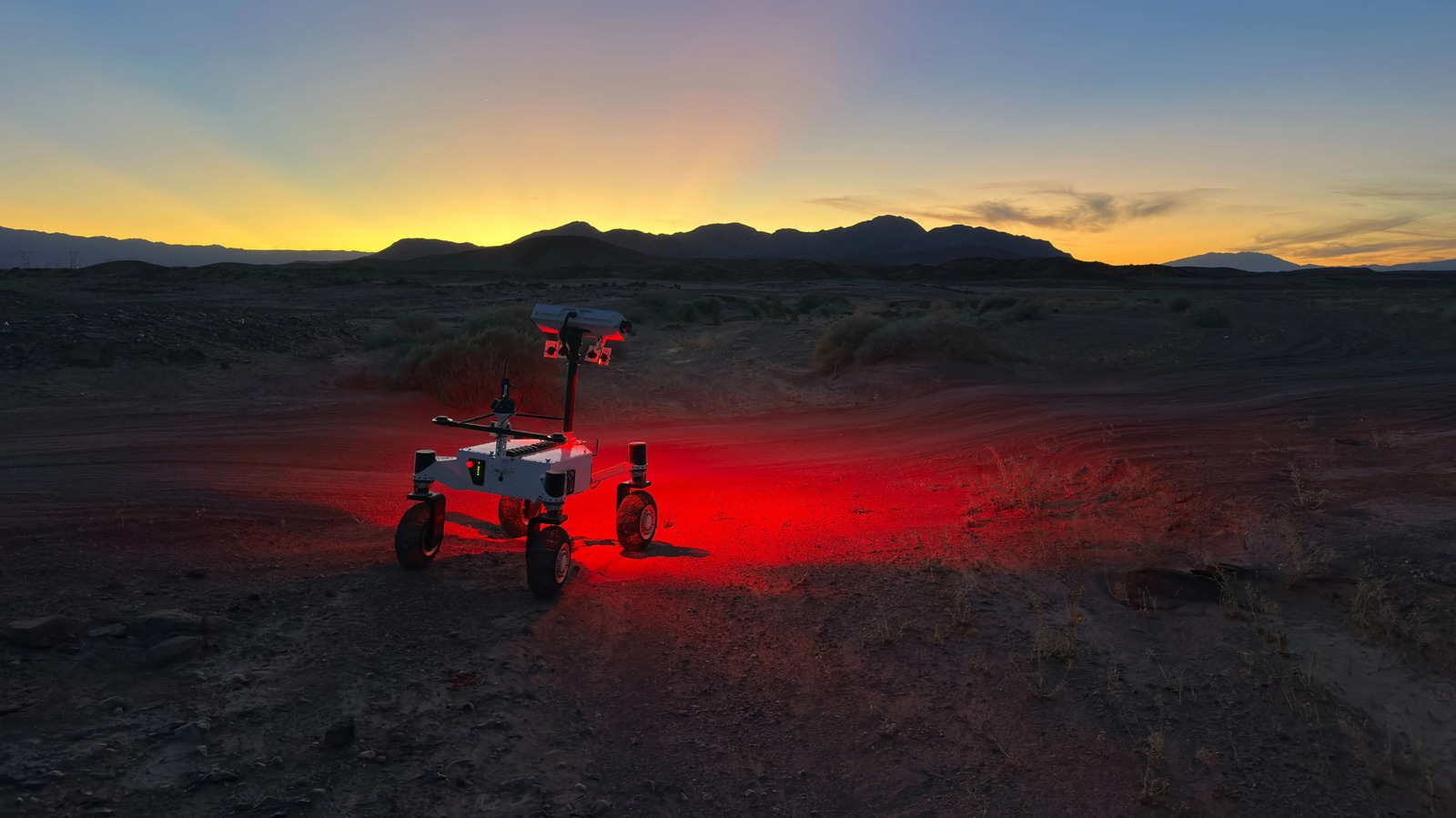
NASA has showcased its new prototype rover, the Exploration Rover for Navigating Extreme Sloped Terrain, or Ernest, currently being tested in the Colorado Desert. Unlike current Mars rovers that have six wheels, Ernest has four wheels and measures four feet in length, though a version intended for an actual mission would be twice as large.
One key improvement is the active suspension system, which allows the rover to individually lift its wheels to step on or over obstacles. Previous Mars rovers, starting with Sojourner, relied on a passive rocker-bogie system to maintain constant weight distribution across the wheels. The new design can switch between active and passive suspension depending on the task and energy needs.
During tests over seven days, the prototype drove a total of approximately 16 miles, reaching a top speed of about 0.6 mph. For comparison, the current Perseverance rover achieves a top speed of just under 0.1 mph on flat ground. "You could do a science road trip across the Moon — or Mars — with this vehicle," said James Keane, a JPL planetary scientist working on lunar missions.
The Ernest prototype program began in 2022, and the team has already tested nearly a dozen active suspension configurations. The latest version also features "enhanced independent decision-making capabilities." The goal is to develop technology that enables rovers to cover more ground faster with less reliance on human controllers on Earth.