NASA tests in-orbit refueling device for deep space missions
NASA is testing a cryocoupler developed by L3Harris that could enable spacecraft to refuel in orbit before heading deeper into the solar system.
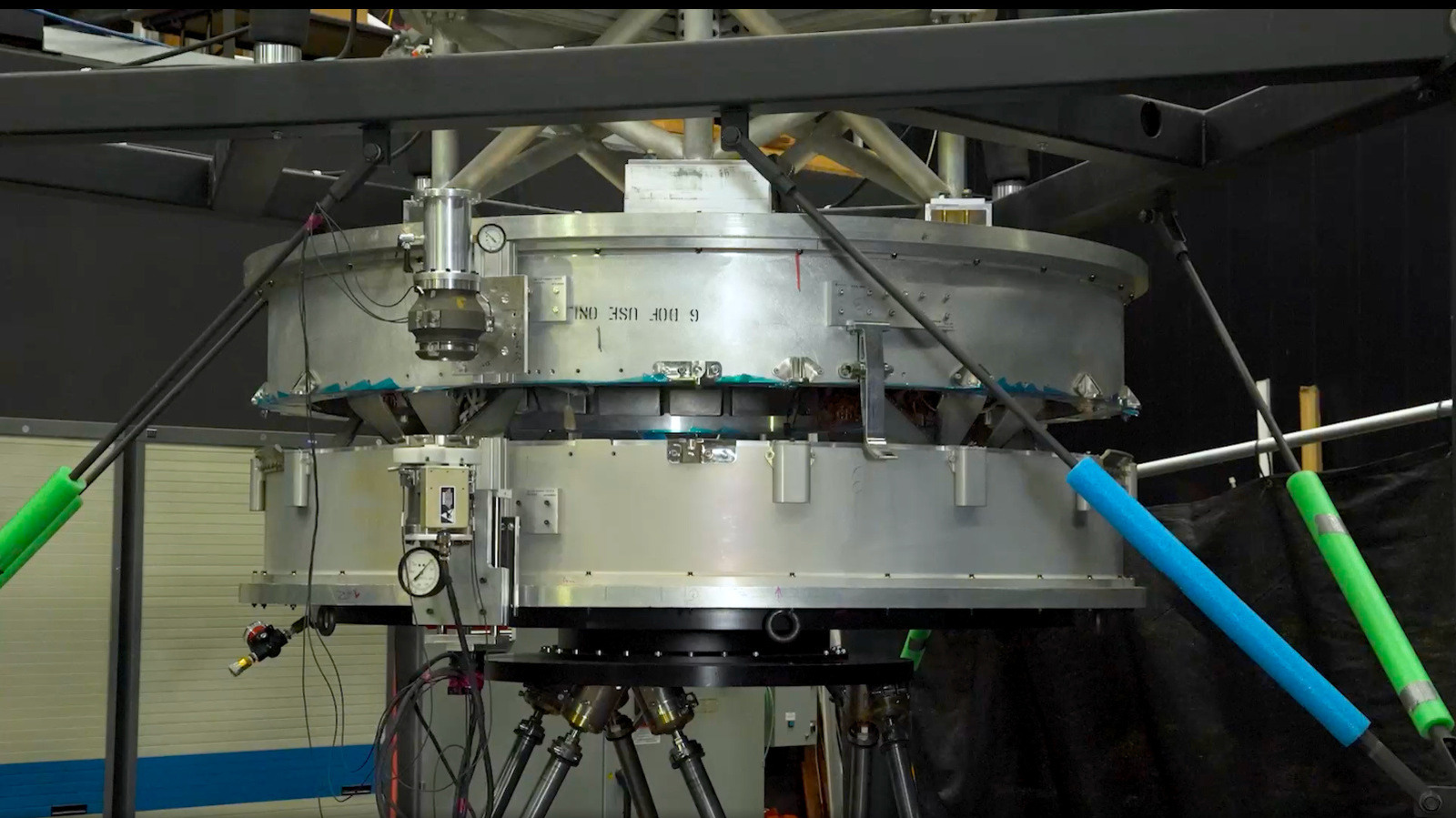
NASA continues to develop solutions for in-orbit refueling, and one of its latest efforts involves testing a "cryocoupler" built by American technology company L3Harris. The cryocoupler functions like the nozzle of a gas pump, allowing spacecraft to connect to orbital gas stations.
According to Travis Belcher, cryocoupler project manager at NASA's Marshall Space Flight Center in Huntsville, Alabama, in-orbit cryogenic refueling between two spacecraft has never been done and remains one of the toughest engineering challenges in spaceflight. An effective cryocoupler must be able to transfer extremely cold fluids, such as liquid hydrogen and liquid oxygen, without leaking. Since these propellants must stay at hundreds of degrees below zero Fahrenheit, the device requires special materials and robust seals.
The cryocoupler is fully automated and can attach and detach multiple times, eliminating the need for astronauts to perform spacewalks for propellant transfer. Belcher added that the device is rigorously designed to withstand space conditions and is sized for expected tank designs.
During tests, the team ran liquid nitrogen at negative 321 degrees Fahrenheit through several connected and disconnected configurations, gathering data on how the device responds to extreme temperature differences. They also conducted operational tests, including simulations of misaligned dockings, as the cryocoupler is designed to accommodate some degree of misalignment.
These initial tests are basic; future tests will be tailored to specific missions, allowing the cryocoupler to be evaluated according to each mission's requirements.