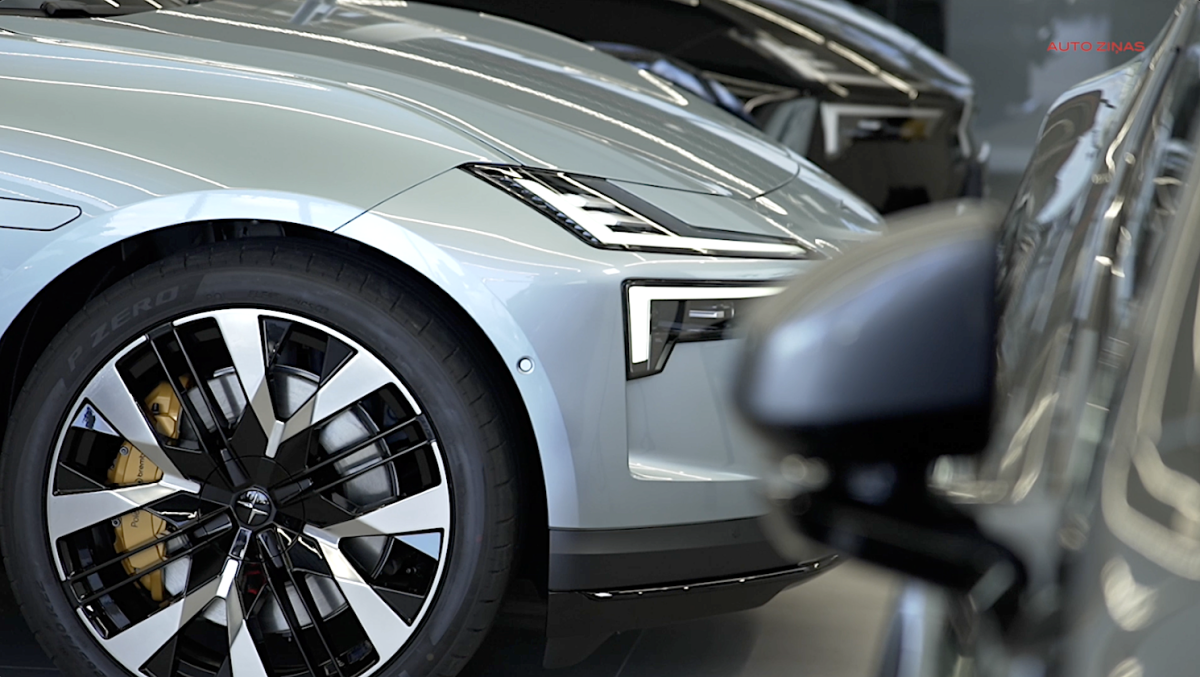
Nissan brings back physical buttons, stepping away from touchscreen controls
Nissan will reintroduce physical buttons and switches for key functions in upcoming models, acknowledging that touchscreens can be distracting and impractical while driving. The shift reflects a broader industry trend reinforced by upcoming safety rating changes.
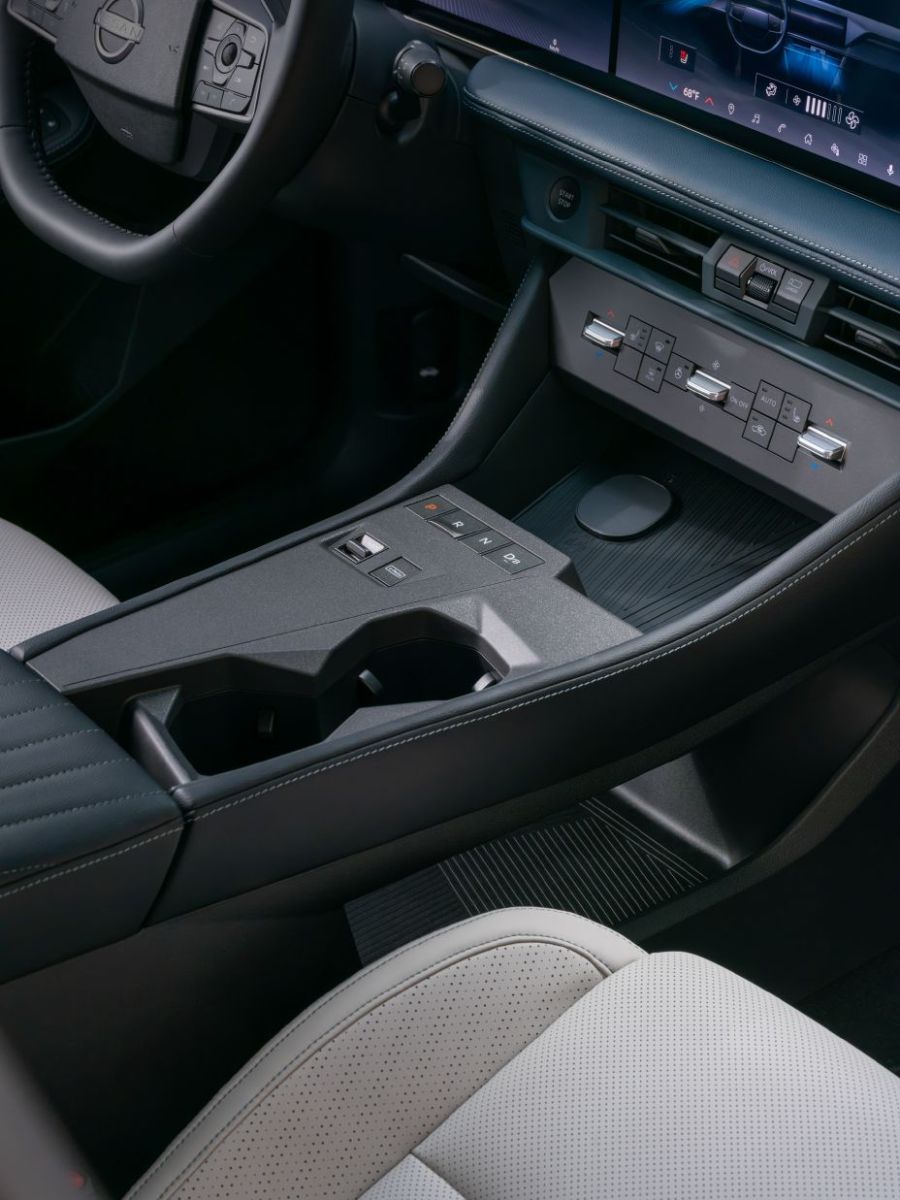
Nissan is preparing to change the interior layout of its future vehicles, bringing back physical buttons and switches in areas where touchscreens have recently dominated. Pontus Pandikuthira, the brand's North American product planning chief, explained that touchscreens look impressive in showrooms but can become frustrating in everyday driving, especially on rough roads where hitting a small virtual icon precisely is difficult and distracting from the road ahead.
Why automakers are shifting course
In recent years, many carmakers, including Nissan, moved toward interiors with as few physical controls as possible, viewing this as a mark of modernity. As a result, even simple actions like adjusting the temperature required navigating through on-screen menus. Nissan's representative stressed that functionality should not be sacrificed for the sake of design.
As a result, upcoming Nissan models are expected to bring back classic rotary knobs for volume control, along with physical switches for climate control and seat heating — controls that can be operated by touch alone, without looking away from the road.
A wider industry trend
Nissan's move fits into a broader shift across the auto industry — manufacturers such as Volkswagen and Audi are also gradually stepping back from overly complex touch-sensitive controls on steering wheels and dashboards. Additional pressure comes from the safety organization Euro NCAP, which plans to lower safety ratings for vehicles that hide essential functions inside touchscreen menus rather than offering physical controls.