Nissan shelves all-electric Qashqai plans as it cuts costs
Nissan has halted development of a fully electric version of its best-selling Qashqai model in Europe as part of a cost-cutting drive, while negotiating the future of its Sunderland plant with the UK government.
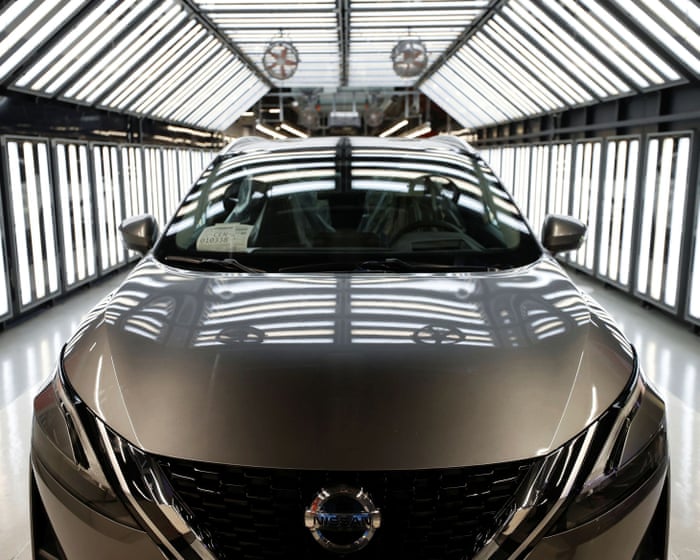
Nissan has reportedly stopped developing a fully electric version of its Qashqai, its top-selling model in Europe, as the Japanese carmaker looks to cut a fifth of its models and slash costs. According to a Reuters report, the company quietly halted development of a full EV Qashqai at its Sunderland plant in the UK last year. Nissan is now in talks with the UK government about securing financial support to plan the future of the plant in north-east England. The carmaker last month closed one of its two production lines at Sunderland due to faltering demand, and in April said it was "looking at options" for the factory and its 6,000 workers. This includes potentially building cars for other manufacturers, with the company earlier this month signing a non-binding memorandum of understanding with China's Chery to explore contract manufacturing. Nissan, which reported steep losses for the year to March, is in the midst of a prolonged cost-cutting programme that has led to the closure of seven factories and 20,000 job losses. The company committed to building a full EV version of the Qashqai in 2023, with the government at the time saying the move showed the UK was a global electric vehicle manufacturing hub. Nissan already makes the fully electric Leaf at the plant and in April announced an all-electric Juke would be built there. Even if Nissan restarts the Qashqai EV project, it would not come to market until the early 2030s, Reuters reported. The company said it remained committed to expanding its electrified lineup, which includes hybrid models, and that the European market had experienced "significant volatility" in EV demand. The Qashqai is currently sold in petrol and hybrid versions, and accounted for about 45% of Nissan's total sales of 330,000 cars in Europe in 2025. The news emerged on the 10th anniversary of the Brexit vote, with the fate of the Sunderland factory having become intertwined with the debate about Brexit's impact on British industry. In 2016, the factory made 507,000 cars, but last year only 273,000.