Ogre councillor Helmanis, back from Ukraine, urges Latvia to unite and wants an authoritative foreign minister
Egils Helmanis, a councillor in Ogre municipality and former mayor of Ogre, has posted warnings about security after a trip to Ukraine. He also urged incoming government head Kulbergs to pick a foreign minister with international authority.
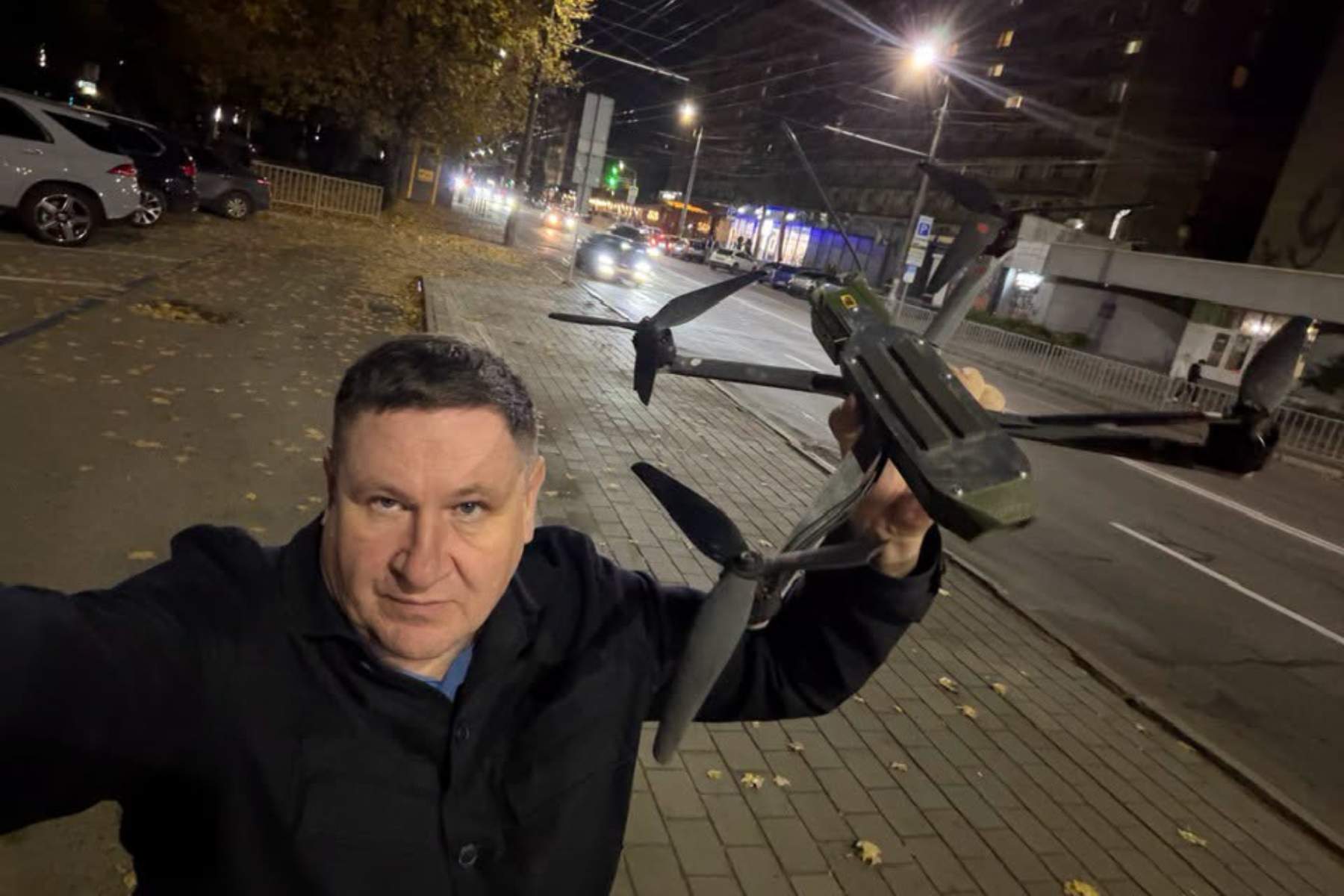
Egils Helmanis, a councillor in Latvia's Ogre municipality and the town's former mayor, has shared his conclusions on the war, Western politics and Latvia's readiness in social media posts after returning from a trip to Ukraine. He says Latvia is at a crossroads, and he calls on the new government now being formed under Kulbergs to choose a foreign minister with standing abroad.
Observations on the war
Helmanis says that although Russian forces hold a large advantage in manpower and equipment, Ukrainians are managing to hold the front line and in some places push the invaders back. In his view, because Russia cannot gain the upper hand on the battlefield, it is stepping up attacks on civilians, including soldiers' families, in an attempt to cause panic.
The politician also voiced concern about international politics. He claims Russian President Vladimir Putin has won over the US president as well, and he argues that any deals with a war criminal undermine the jurisdiction of war crimes justice. Helmanis says Latvia is not grasping the seriousness of the moment, and notes that the Kremlin wants NATO forces to leave the Baltic states and Poland.
Demands on the new government
On domestic politics, Helmanis says Kulbergs gives him modest hope. He stresses that Latvia has long lacked a foreign minister or president with authority in the eyes of foreign partners, citing former president Vaira Vīķe-Freiberga as an example, even though she can be criticised for travelling to the 9 May celebrations. In his view, Kulbergs must find the best possible candidate for foreign minister.
A call for unity
Closing his post, Helmanis acknowledges that times are difficult but says they can be survived if society becomes more united. He cites a figure of only 37% being willing to defend their country. He also describes low birth rates as a further threat and links this to support for same-sex partnerships. In his view, it is still possible to change something at this crossroads and agree on the essentials.