Iran Jealously Guards Strait of Hormuz Decision-Making as Oman Proposes Alternative Plan
Iran rejects a southern shipping route near Oman developed by the UN’s International Maritime Organization, insisting on sole authority to lift the blockade. Oman offers a management system based on voluntary contributions and service fees, seeking Iranian support while navigating a delicate diplomatic balance.
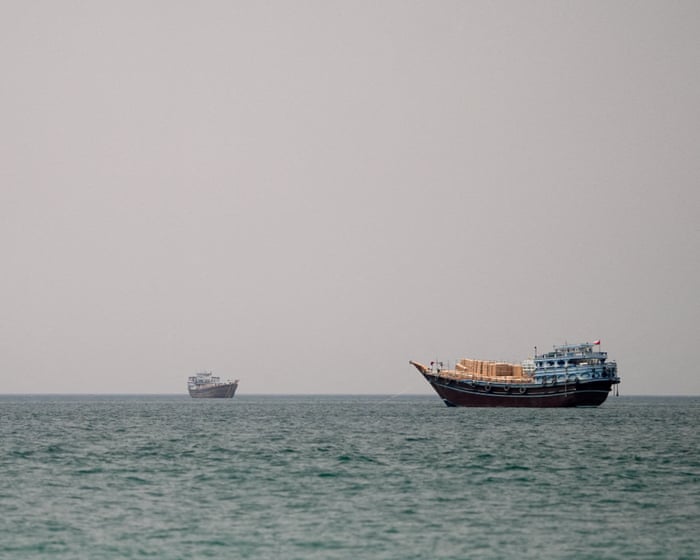
The Strait of Hormuz remains Iran’s chief bargaining tool in negotiations with the United States, and every meter of the 39-kilometer-wide waterway is being contested. Under the memorandum of understanding signed with Washington on June 18, substantive talks on Iran’s nuclear program are not required to begin until the lifting of the strait’s blockade – a condition Iran is only obliged to pursue with “its best endeavours.” Iran interprets the memorandum maximally, decreeing that it alone can lift the blockade and resisting any other country or institution’s involvement in reopening the strait.
Iran rejected a proposal for a southern route close to Oman’s coast developed with the UN’s International Maritime Organization (IMO). The plan envisioned two new shipping lanes to replace the closed central route: one in Omani waters overseen by the US Joint Maritime Information Centre, and one farther north near Iran. The IMO believed it had Iran’s agreement, but after Iran attacked a Singaporean vessel passing through the southern route on Thursday, the IMO abandoned the plan.
At a news conference in Baghdad, Iranian Foreign Minister Abbas Araghchi stated: “Any attempt to adopt new or separate arrangements from those currently being pursued by the Islamic Republic will only lead to further complications, delays in reopening the strait of Hormuz and an increase in tensions.”
Oman, a traditionally neutral nation, finds itself in a delicate diplomatic position. Ignoring Iran’s objections would likely make Tehran reject Oman’s plan for the strait’s future, but failing to take the initiative in the humanitarian operation to free thousands of trapped sailors could see its proposals rejected by the region or the UN, increasing the risk of all-out US war. The fact that Iran’s Deputy Foreign Minister Kazem Gharibabadi held joint discussions in Muscat with Oman’s Minister of State for Foreign Affairs Abdulaziz Al-Hinai is a tacit acknowledgment by Tehran that it does not hold sole decision-making power over the strait’s future management.
Oman has crafted a management system to ensure littoral states receive income from commercial shipping through the strait, primarily via voluntary contributions or payments for specific navigational services. Omani Foreign Minister Badr Al-Busaidi explained: “We are not in favour of imposing tolls on passage through the strait of Hormuz, which is prohibited internationally – whereas service fees are legal, and discussions are currently under way with the Iranian side concerning them.” This distinction is crucial: Article 26 of the law of the sea forbids payment for mere passage, but Article 43 permits user states and strait states to cooperatively fund maritime services. The Sultan of Oman raised this point with French President Emmanuel Macron on Monday. In theory, Macron and UK Prime Minister Keir Starmer have a naval taskforce ready to deploy to enforce freedom of navigation, but the Sultan likely argued that if the West adopts Oman’s plan, no such force would be needed.