Second tanker with Qatari LNG struck in Hormuz within a month as force majeure widens
A second LNG carrier loaded in Qatar has been hit in the Strait of Hormuz in under a month, deepening shipping disruptions and raising insurance costs. QatarEnergy has extended force majeure on some deliveries, with at least 24 cargoes to an Italian utility now affected.
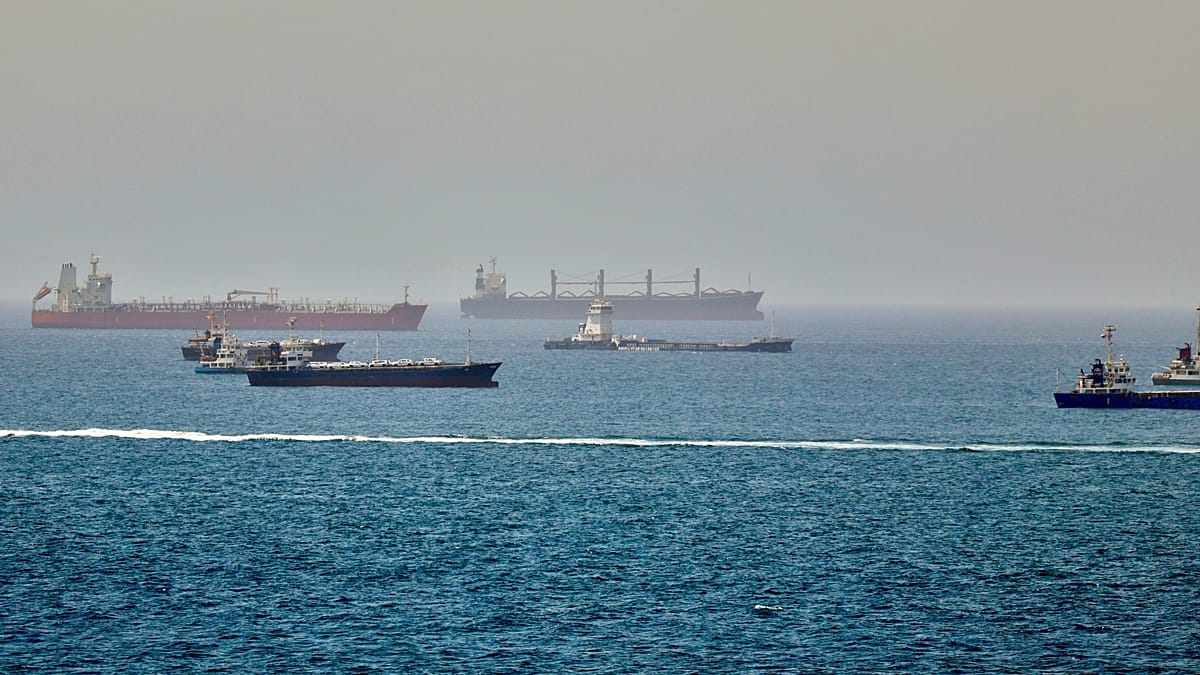
The UK Maritime Trade Operations reported that an unidentified vessel was struck by a projectile off the coast of Oman. Security consultancies Vanguard Tech and Marisks identified the ship as the GasLog Shanghai. Operator GasLog confirmed the incident happened on Friday as the tanker was leaving the strait, saying all crew were safe and the vessel remained stable.
The GasLog Shanghai had loaded its cargo in Qatar around Monday and stopped transmitting its position near the strait's western entrance on Friday. It was unclear who owned the LNG on board. QatarEnergy did not respond to questions about the shipment or whether the incident had affected deliveries.
This is the second attack in less than a month. On 7 July, the Qatari-owned tanker Al Rekayyat was struck near Hormuz, prompting a three-week pause in Qatari LNG shipments through the waterway. Hormuz is Qatar's only maritime route to international LNG markets. Qatar is the world's second-largest LNG exporter after Australia, shipping about 77 million tonnes a year, almost all through the strait.
Jean-Christian Heintz, managing director of Switzerland-based consultancy Wideangle LNG, called the second strike a significant setback and said it was a blow to Qatar's efforts to manage the crisis. He added that choosing between QatarEnergy's own fleet and third-party carriers would not necessarily change the risk assessment.
A few days before this incident, a drone struck the Energos Winter at Egypt's Damietta port, causing a fire that spread to another GasLog-managed vessel, the GasLog Salem. No party claimed responsibility for the Damietta attack.
QatarEnergy has been operating under force majeure on some contracts since March, when Iranian attacks on the Ras Laffan industrial complex and the subsequent closure of Hormuz disrupted production and shipping. Ras Laffan is the largest LNG production facility in the world, and two of its production trains were damaged in the March strikes.
Italian utility Edison said QatarEnergy had informed it that a further three LNG cargoes would not be delivered, extending force majeure through the end of September. In total, 24 cargoes scheduled for Edison between April and late September, representing about 3 billion cubic metres of gas, are now under force majeure. Edison said it had replaced 17 of the affected cargoes and remained able to meet commitments to customers.
Heintz saw little reason for QatarEnergy to lift force majeure while the security situation stayed unresolved. Each new incident would push shipowners, cargo traders and insurers to reassess the cost of transiting the strait. "Insurance premiums, both for ships and the cargoes they carry, can only rise from this point," he said. Global gas markets had already adjusted to disruption, but the latest incidents combined with strong European demand for winter storage were "certainly bullish for prices."