Generational Change in Latvian Business: New Mindset, Same Glass Ceiling
Around 10,000 new companies are founded in Latvia each year, but few achieve international scale. Generational change is shifting entrepreneurial thinking, yet structural barriers—capital, talent, export opportunities—still hinder growth.
Latvian entrepreneurs are enterprising—approximately ten thousand new businesses are registered annually. However, according to data from the Ministry of Economics, 93% of Latvian companies have an annual turnover of less than one million euros. Only a small fraction can regularly invest in research, product development, and compete internationally. OECD studies point to productivity challenges, a shortage of skilled labor, and limited innovation capacity as greater obstacles than a lack of ambition.
Generational change is altering entrepreneurial mindsets. Younger entrepreneurs, who started their businesses in the last decade, often think globally from day one, seek investors, and use acceleration programs. Digital technologies and the startup ecosystem have made an international orientation a necessity. At the same time, these entrepreneurs are less willing to sacrifice quality of life for business growth—they think more about the purpose and meaning of expansion.
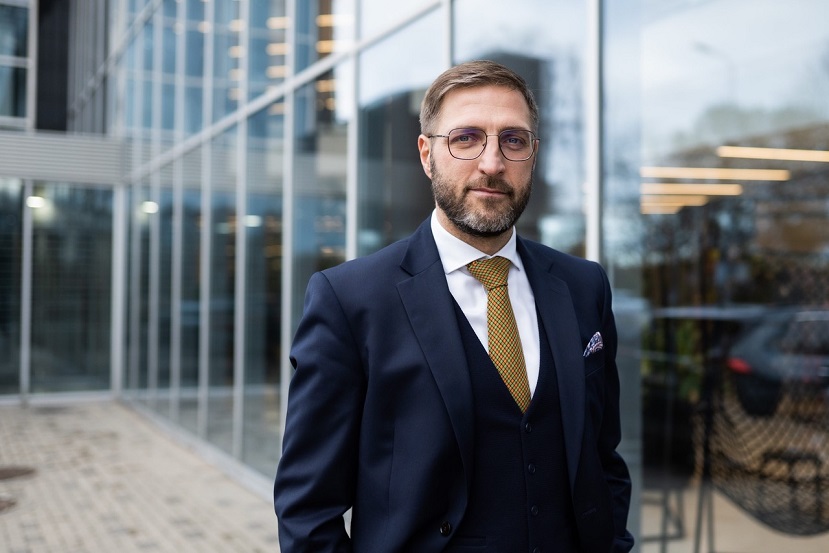
However, as Jevgenijs Ivanovs, head of Corporate Banking at Swedbank in Latvia, notes, a shift in mindset alone is not enough. Three conditions are essential for international competitiveness: access to capital, the ability to scale production or service delivery, and appropriate competencies. If any of these components are missing, growth stalls regardless of ambition. Surveys by the European Investment Bank consistently show that the main barriers to investment in Latvia are a lack of skilled workers, uncertainty, and rising costs.
Generational change alone will not break the glass ceiling for Latvian entrepreneurs. It can change ways of thinking, but the decisive factor will be the business environment—better access to capital, talent, and knowledge, as well as promotion of exports and innovation. If these conditions are met, the broader worldview of the younger generation could become a significant driver of Latvia's economic growth.