After US midterms, Gulf states fear renewed escalation in Iran war
After President Donald Trump's Republican Party suffered a heavy defeat in the US congressional midterms, analysts are weighing whether the war with Iran could escalate again. Gulf states, the main targets of Iranian attacks, are seeking a political exit and reassessing their security ties with Washington.
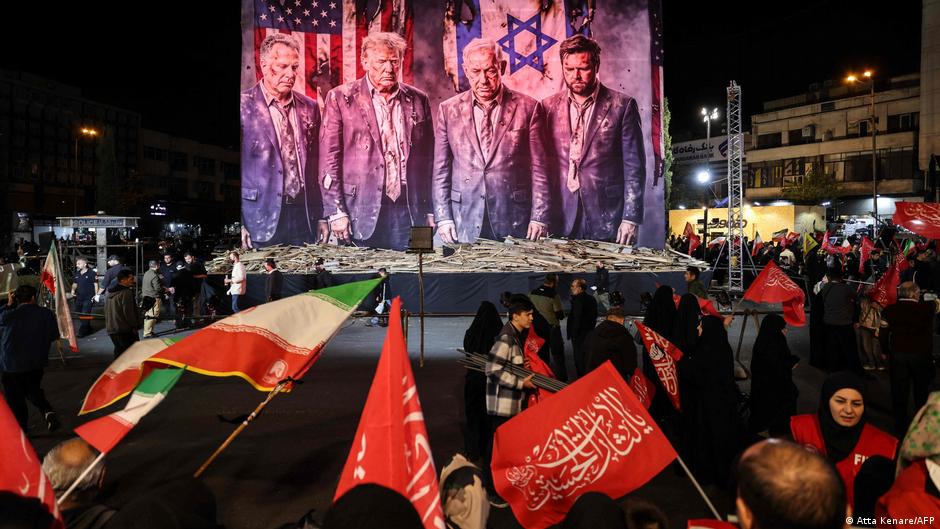
Following a heavy defeat for US President Donald Trump's Republican Party in this week's congressional midterm elections, analysts and regional governments are asking whether the US-Israeli war with Iran could escalate again. Trump told Fox News that Iran had probably played a part in the result, as voters were unwilling to accept the war's effect on gasoline prices.
Risk of escalation
Observers say the United States and Israel held off on major attacks on Iran until their elections were over. At the end of October, the Wall Street Journal reported that the Trump administration had already warned Gulf governments to prepare for a short, intense military campaign after the midterms. A Democratic-controlled Congress could in theory withhold war funding, but the newly elected members do not take their seats until early next year.
Two US political science professors wrote in Foreign Affairs that presidents who lose control of Congress and cannot seek another term often step up foreign interventions. Trump, however, has told several outlets he is in "no rush" to resume bombing Iran. Iran says it is ready for any attack, and statements by its senior leaders suggest it may hit a wider range of targets, including regional energy and economic infrastructure, undersea telecom cables or data centers. Other experts believe Iran was deliberately holding out to pressure Trump before the vote and may now be more open to peace talks.
The Gulf states' dilemma
The Gulf states, which have been the main targets of Iranian attacks since the conflict began, are in a difficult position. Anwar Gargash, a foreign policy adviser to United Arab Emirates leadership, told a security conference in Bahrain that the states had been drawn into a crisis they worked hard to avert diplomatically, and that they are seeking a political off-ramp. Qatar is trying to mediate between the US and Iran while also running emergency drills at its airport; the Emirates are doing similar drills. Saudi Arabia faces a possible two-front war, as it is already under attack from Houthi militants in Yemen. Egypt is reportedly strengthening air defenses around the Suez Canal.
Experts say Gulf states are reevaluating defense partnerships with the US, because American bases have made them targets rather than safer. They are widening their outreach: the UAE is moving closer to Israel, and Saudi Arabia has joined a defense pact with Pakistan and Turkey. Former US ambassador Ryan Crocker said meaningful Gulf unity is unlikely given existing rivalries. Iran expert Ross Harrison of the Middle East Institute said that over the long term Gulf states will likely have to reach some understanding with Tehran, and that their main concern is escalation that closes off the path back to diplomacy.