Study: EU heat-related milk losses could almost triple by 2050
Dutch bank Rabobank warns that heat-related milk production losses in the EU could almost triple by mid-century. Major dairy regions in northern Italy, southern Germany, France and Spain face the sharpest increases.
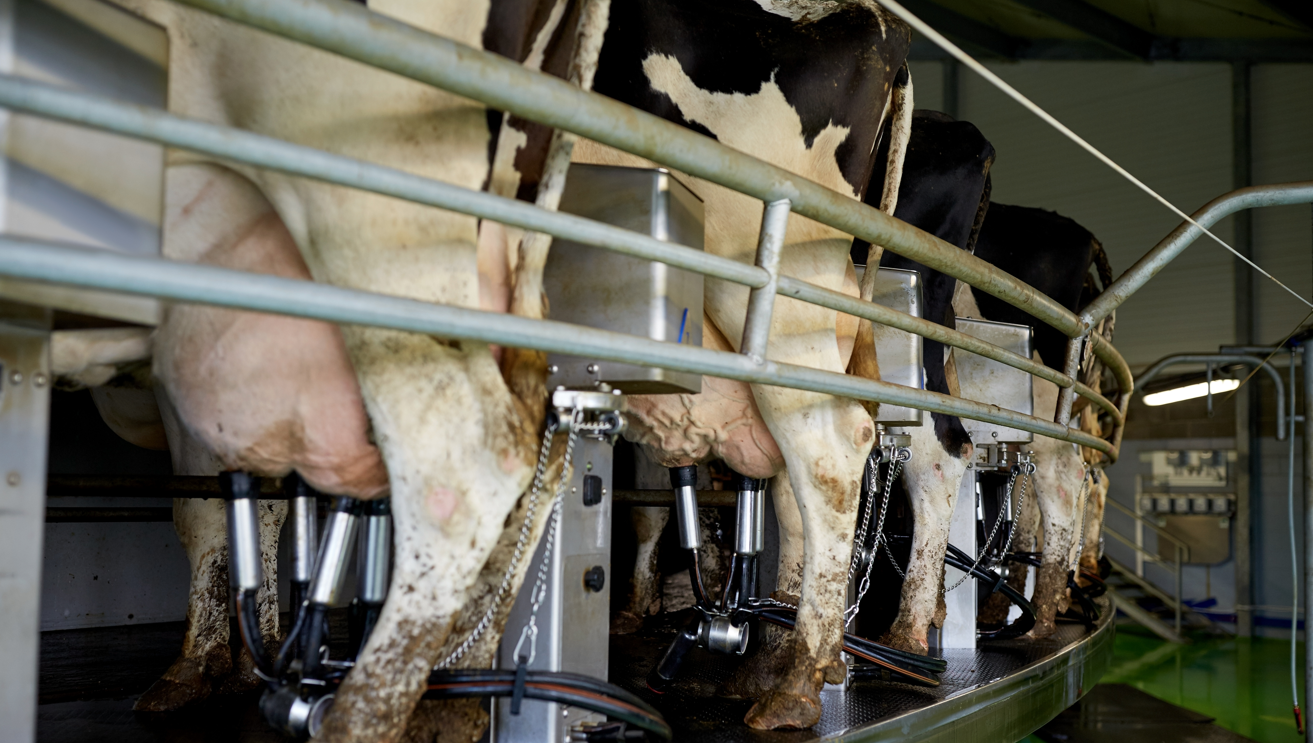
Heat-related milk production losses in the European Union could almost triple by the middle of the century, according to a new study by the bank Rabobank. The bank says climate change is shifting the traditional dairy "comfort zone" in Europe as temperatures rise and rainfall patterns change. The findings matter for milk producers and processors because they show which regions may see their competitiveness come under greater pressure.
Scale of the losses
The study estimates that annual heat-related losses in the European regions assessed could climb from around 4.5 million tonnes today to 12.2 million tonnes around 2050 under a high-warming scenario. The impact will differ depending on the degree of warming in each region and the make-up of herds.
A marked increase in potential losses is expected in northern Italy, southern Germany, France and Spain. Rabobank warns this could lower the utilisation of processing plants and require costly adaptation measures, weakening competitiveness there. Atlantic and northern European dairy regions, by contrast, retain a relative climatic advantage. Southern Ireland, the third-largest production base in the study at about 6.2 million tonnes a year, could see an added loss of only 0.3% of its total milk output.
Adapting to heat
The bank stresses that the figures are not a forecast. They show how dairy output could fare in a warmer climate if herd size, productivity, breed composition and heat management practices stay unchanged.
The researchers say cooling technologies such as artificial shade, sprinklers and ventilation systems are among the most effective ways to reduce heat stress in cows. Equipment upgrades can start at an average of €30,000, with payback depending on each farm's output. Resilience can also be improved through changes in farm management, nutrition, breed choice and genetic selection for heat tolerance.
Processors have a direct interest in supporting farm adaptation, the researchers say, for example through technical assistance, knowledge sharing and financial incentives. The study suggests that processors' existing animal-welfare and sustainability programmes could serve as established channels for such support.