Study: breast cancer screening overdiagnosis risk overestimated for decades
A new analysis by Danish and UK researchers finds that overdiagnosis from mammography screening is likely below 5%, far lower than earlier estimates of up to 50%.
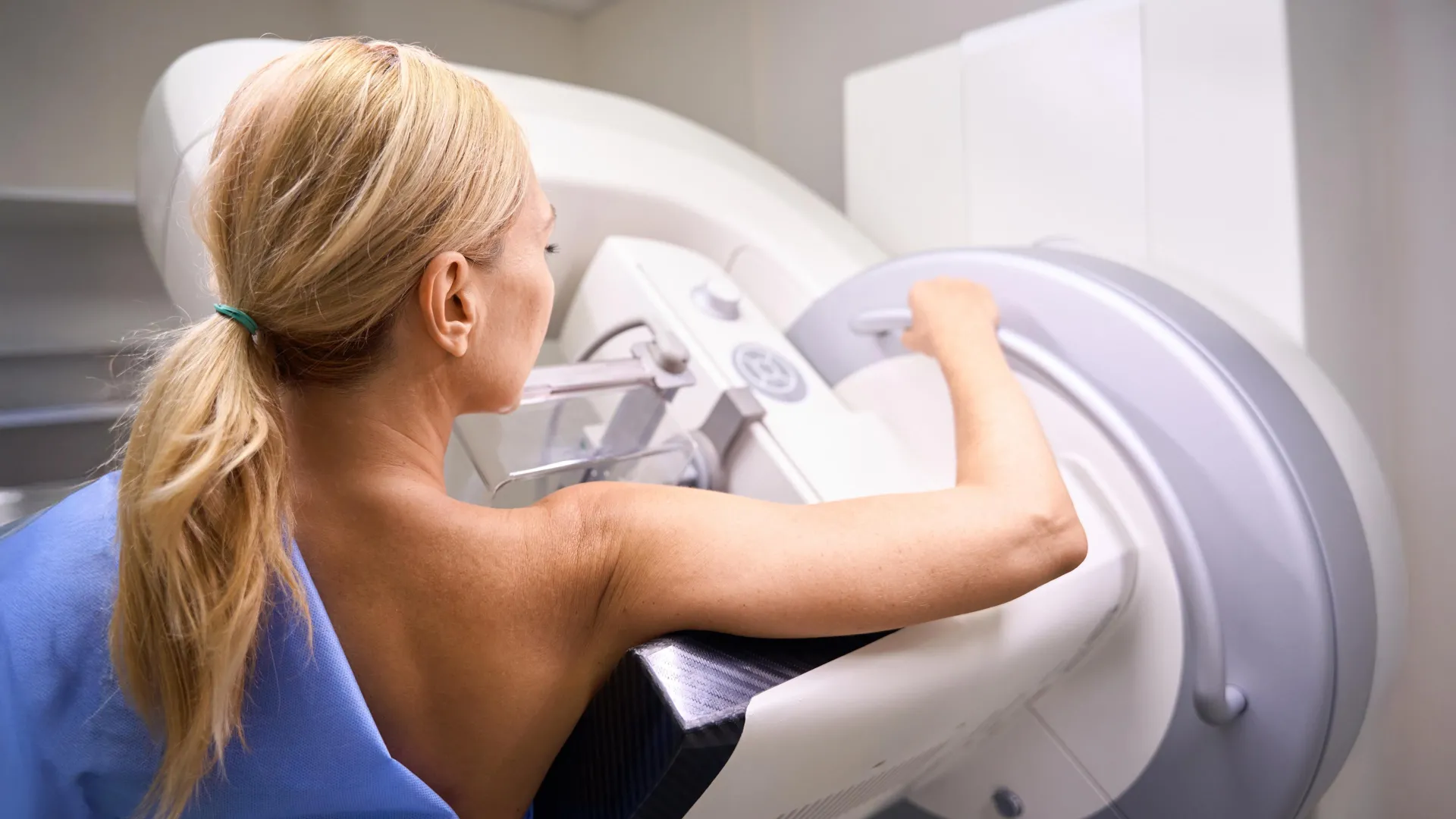
Breast cancer screening can sometimes detect cancers that would never have caused symptoms or threatened a woman's health during her lifetime — a phenomenon known as overdiagnosis. For decades, estimates from randomized trials varied widely, with some suggesting that 30-50% of screening-detected cancers could fall into this category, shaping international debate over the benefits and harms of population screening.
A new study led by Sisse Helle Njor, professor at the University of Southern Denmark and Lillebælt Hospital, combined and reanalyzed data from all eight existing randomized mammography trials — including the New York, Malmö, Edinburgh, Canadian and UK studies — and compared them with real-world data from Denmark. Denmark offered a valuable reference point because organized screening began in some regions 17 years earlier than others, allowing researchers to track how diagnosis patterns evolved both immediately after screening began and over the longer term.
Why timing matters
Elsebeth Lynge, professor emerita at the University of Copenhagen, explains that when screening starts, diagnoses initially rise because cancers are found earlier than they otherwise would be. Over time, this should be followed by a decline, since some cancers would have been diagnosed later anyway. If a trial ends before that decline appears, or if control-group women later receive screening themselves, the early rise can be mistaken for overdiagnosis.
After accounting for factors such as the number of screening rounds, whether control groups were later screened, and the length of follow-up, the researchers concluded that the trial data are actually consistent with overdiagnosis rates below 5%, not the near-50% figures sometimes cited.
Matejka Rebolj, senior epidemiologist at Queen Mary University of London, said earlier high estimates were based on data before trials had fully matured, and had influenced screening guidelines and public communication. Njor added that since most women never develop breast cancer, the findings should reassure women that the benefits of early detection outweigh the small risk of unnecessary treatment.
/nginx/o/2026/09/16/17921343t1h54eb.jpg)