Takeaway meals contain more salt than advertised, study finds
New research reveals that nearly half of popular takeaway meals in the UK contain more salt than declared on menus, with some single servings exceeding the recommended daily intake.
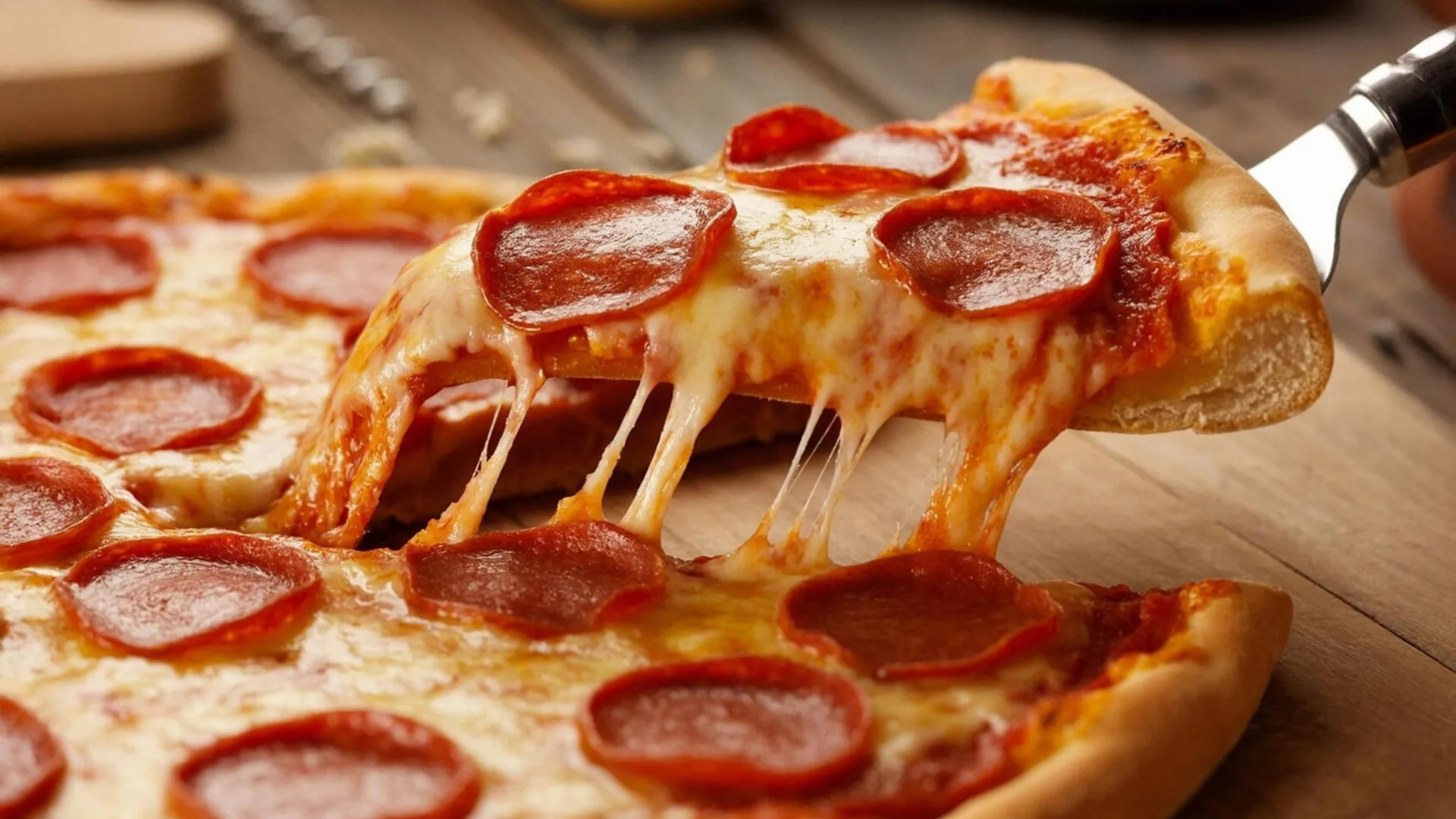
A study published in PLOS One by researchers at the University of Reading found that 47% of tested takeout foods had higher salt levels than stated. Curries, pasta dishes, and pizzas were most likely to be saltier than advertised, while traditional fish and chip shops served some of the lowest salt meals.
The team purchased 39 takeaway meals from 23 locations in Reading, including national chains and independent outlets. Some meals from independent restaurants contained over 10 grams of salt per serving, compared to the UK's recommended daily intake of 6 grams for adults.
Meat pizzas had the highest salt concentration at 1.6g per 100g. Pasta dishes averaged 7.2g per serving, with one sample reaching 11.2g. Curry dishes showed the widest variation, ranging from 2.3g to 9.4g per serving. Chips from fish and chip shops contained only 0.2g per serving, as salt is typically added after cooking only on request. In contrast, chips from other outlets averaged 1g per serving.
Lead author Professor Gunter Kuhnle noted that menu labels are often rough estimates because restaurants cannot measure each meal precisely. He emphasized that while food companies have reduced salt in packaged foods, eating out remains a high-salt affair. The World Health Organization estimates that excessive salt consumption contributes to 1.8 million deaths annually worldwide.

/nginx/o/2026/08/24/17873851t1hc4df.jpg)