Study links common sleep disorders to changes in brain structure
Researchers at Florida International University pooled 57 brain imaging studies and found that several sleep disorders are associated with changes in regions governing attention and decision-making. The study does not show whether poor sleep causes the differences.
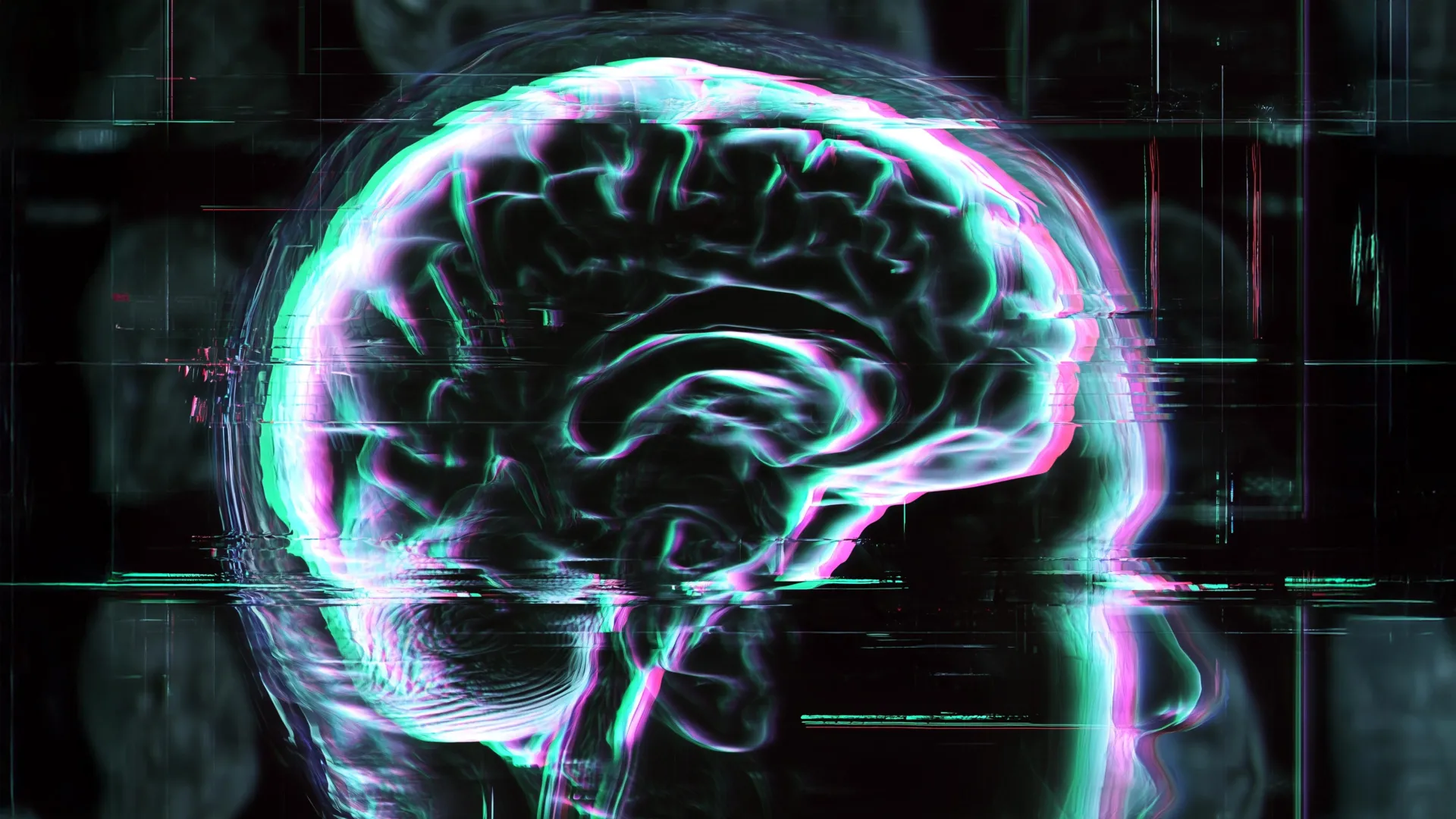
Researchers at Florida International University (FIU) in the United States have found that several types of sleep disorders are associated with physical changes in brain regions responsible for attention, motivation and decision-making. The findings, published in the journal Scientific Reports, could eventually help detect sleep problems earlier and guide treatments tailored to the brain systems involved.
An estimated 50 million to 70 million Americans have sleep disorders. Scientists at FIU's Center for Children and Families combined and analyzed results from 57 studies that used brain imaging to examine adults. Instead of looking at a single condition, they compared several disorders.
Two groups of disorders
The analysis covered two groups. Dyssomnias, which include insomnia and sleep apnea, interfere with falling asleep, staying asleep or getting enough restorative sleep. Parasomnias, including sleepwalking, nightmare disorder and sleep terrors, involve unusual events or behaviors that interrupt normal sleep cycles.
Shared and distinct changes
Both groups were linked to reductions in the thalamus, a deep brain structure that processes information and helps sustain attention. The changes were found in a part called the pulvinar, which helps direct attention to important information and manage cognitive control. This may help explain why people with sleep disorders often have slower reactions, trouble making decisions and a higher chance of errors or accidents.
Parasomnias were additionally associated with changes in the posterior cingulate cortex, involved in motivation, decision-making and emotion regulation. The analysis found no consistent structural pattern unique to dyssomnias.
An open question
The study identified associations only. It did not establish whether disrupted sleep causes the brain differences, whether existing differences contribute to sleep disorders, or whether both occur. The team plans to examine individual parasomnias, including sleepwalking and REM sleep behavior disorder, in more detail.
"By looking across many studies, we found shared patterns in the brain," said lead author Katharine Crooks, a recent FIU doctoral graduate in cognitive neuroscience.