Study: Peppermint Oil May Lower Blood Pressure in 20 Days
Researchers at the University of Lancashire found that taking peppermint oil twice daily for 20 days reduced systolic blood pressure by an average of 8.5mmHg. The findings suggest the oil could be a low-cost option for people with mildly elevated blood pressure.
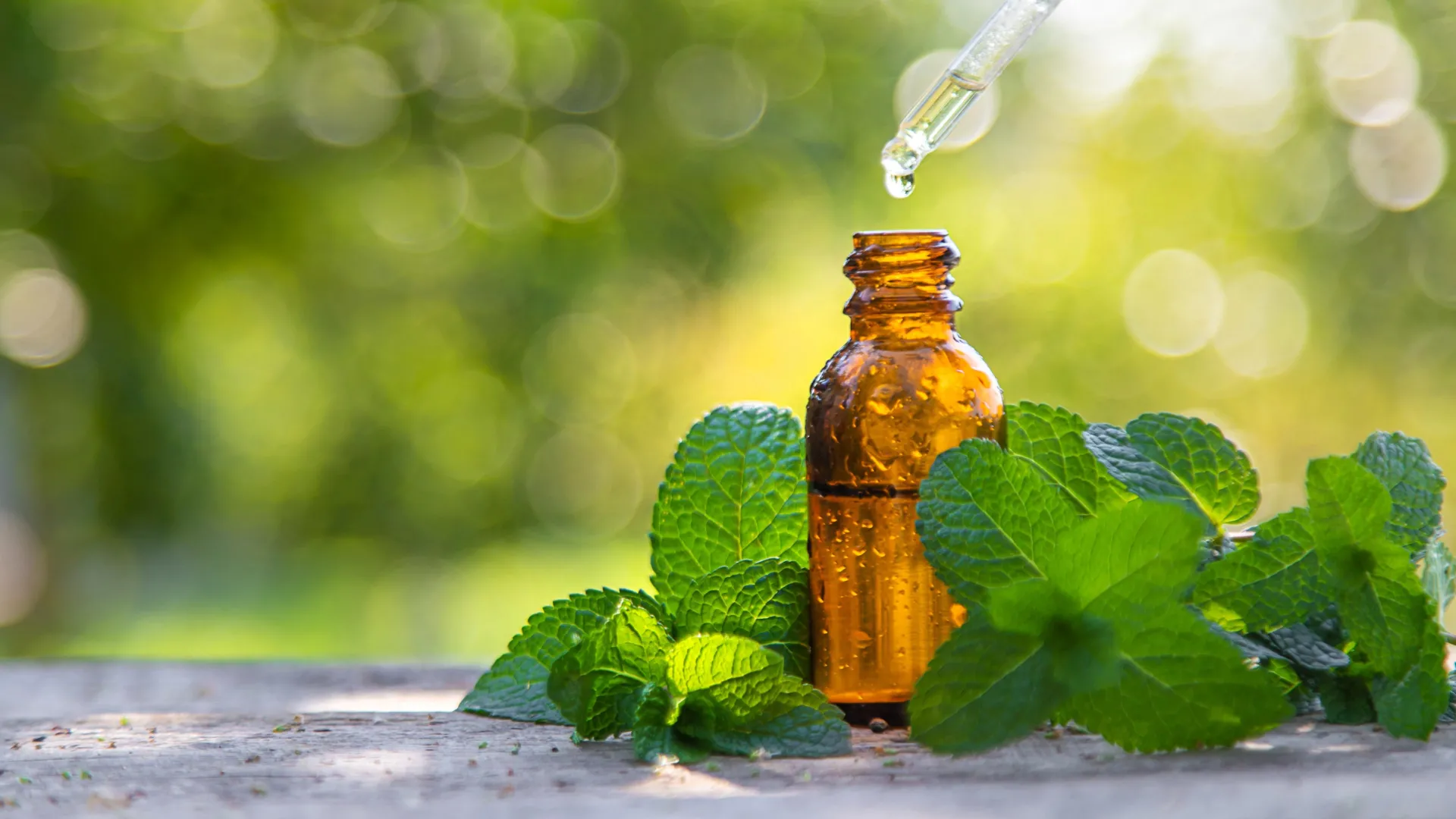
New research suggests that a daily dose of peppermint oil could help lower mildly elevated blood pressure. Scientists at the University of Lancashire found that taking 100 microliters of peppermint oil twice a day over 20 days reduced systolic blood pressure — the top number in a reading — by an average of 8.5mmHg. The study was published in the journal PLOS One.
How the Study Worked
The research team enrolled 40 adults aged 18 to 65 who had prehypertension or stage 1 hypertension. Participants were randomly split into two groups: one received a small daily dose of peppermint oil, while the other received a peppermint-flavored placebo containing no active oil. Blood pressure improved in the group taking the oil, while the placebo group showed no meaningful change.
Although systolic blood pressure was the primary focus, researchers also tracked other measures, including body measurements, blood test results, diastolic blood pressure, heart rate, mental well-being and sleep quality.
A Low-Cost Alternative
Lead author Dr. Jonnie Sinclair, Reader in Sport and Health Sciences, noted that high blood pressure remains one of the leading causes of heart disease and death worldwide and is costly to treat. While medication is the standard treatment, its long-term effectiveness isn't always clear, and it can carry unwanted side effects. Peppermint naturally contains compounds such as menthol and flavonoids. Sinclair said the findings carry significant clinical implications, since arterial hypertension is the most common preventable risk factor for cardiometabolic disease and the single greatest risk factor for death globally. She added that because peppermint oil is low in calories and inexpensive, it could offer a simple, cost-effective option for treating millions of people worldwide.