Study: Four separate departments slow down Riga's urban development decisions
A think tank LaSER study finds that Riga's urban development matters are managed by four separate municipal departments with fragmented political oversight, significantly slowing approval processes compared to smaller municipalities and other European capitals.
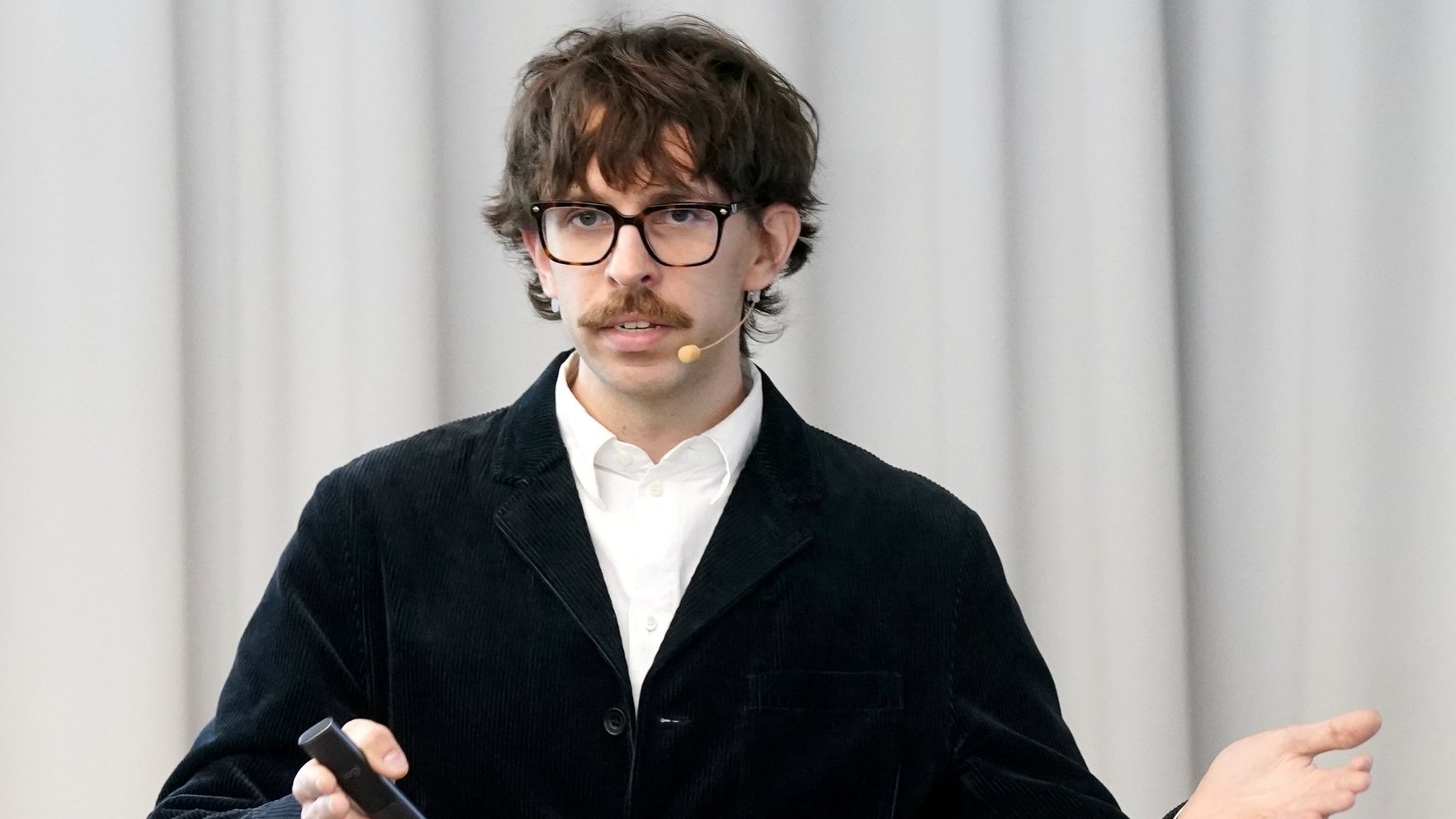
A study by the think tank LaSER, titled "Simple and Fast? The Planning and Construction Permitting Process in Riga," finds that urban development issues in the Latvian capital are handled by four separate municipal departments: the City Development Department, the Public Space and Mobility Department, the Housing and Environment Department, and the Property Department. Most significant development projects fall under the competence of several of these departments at once, yet their work is often poorly coordinated.
A case from practice
The study describes a case in which a project developer had to deal with all four departments while coordinating a single project. Initially, the Public Space and Mobility Department indicated that separate technical requirements were not needed, but later issued new requirements that had not been part of the original design brief, resulting in unforeseen additional costs. The developer then had to approach the Property Department and obtain approvals from the Housing and Environment Department, while the process at the City Development Department proceeded without delay. By comparison, a similar project in a smaller Latvian municipality was approved within 16 days, while the process in Riga took several months.
Political responsibility split among three parties
Strategic oversight of urban development at Riga City Council is divided between the mayor and two deputy mayors, while the relevant council committees are chaired by three coalition parties — the National Alliance, the Progressives, and the Greens and Farmers' Union bloc (the United List). The study's author argues that this arrangement reflects a balancing of political power more than a governance logic aimed at supporting the city's development.
Possible solutions
As a point of comparison, the study cites Helsinki's practice of concentrating all urban development matters within a single division led by one deputy mayor, as well as the Vilnius model, which relies on a chief city architect as a coordinating figure. The study's author stresses that changing the current situation requires political resolve and a unified vision for reforming the municipality's institutional structure.