Poland Faces Propane Shortage for Drying Corn as Prices Climb
Polish farmers are struggling to find propane to dry freshly harvested corn, and prices have risen sharply. Industry figures blame not only Baltic Sea storms but also low stocks and too little advance contracting.
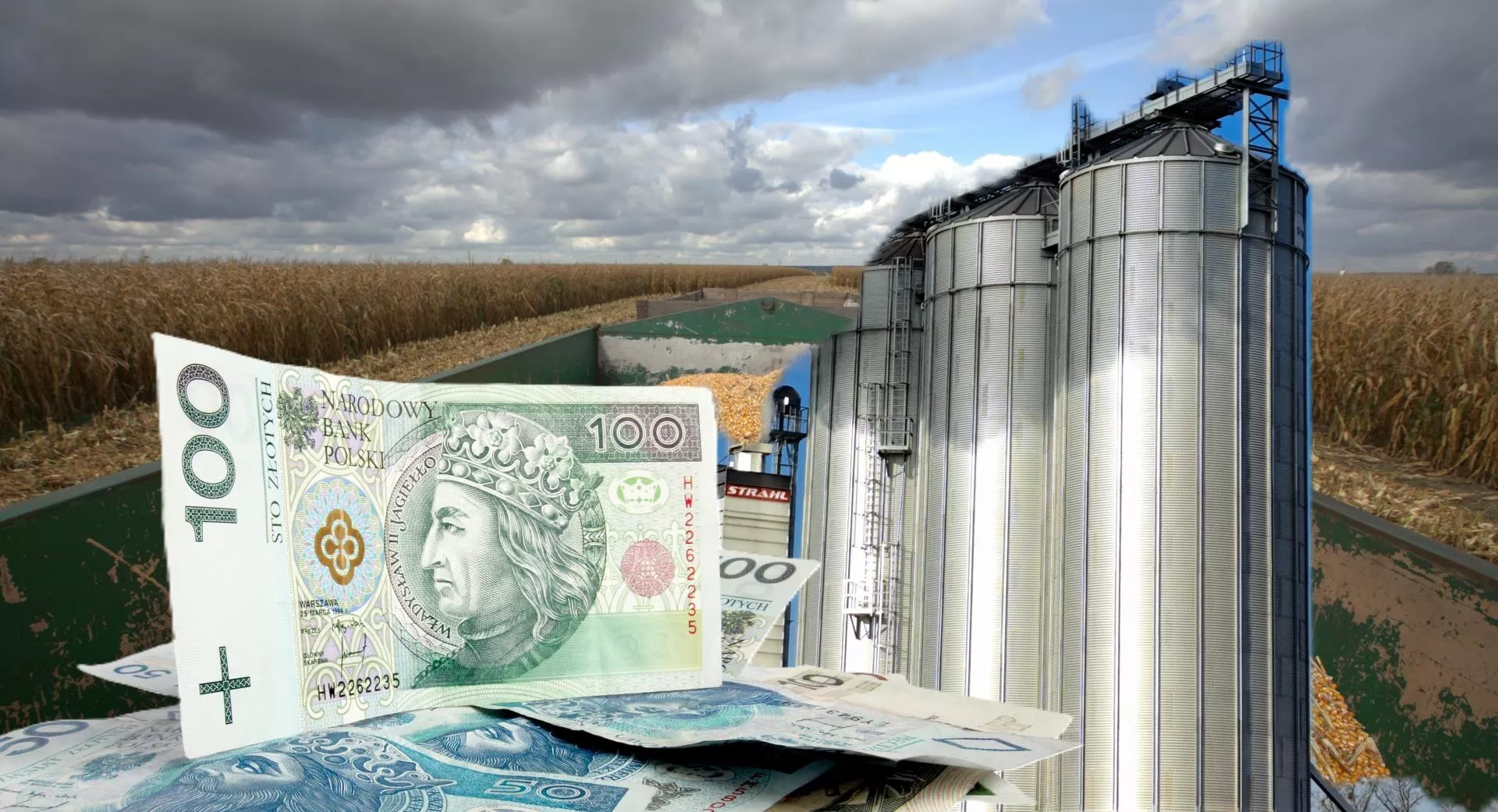
A propane shortage has hit Poland during this year's corn harvest. The liquefied gas fuels grain dryers, where wet corn must be dried quickly. Farmers face higher costs, and some are unsure whether the gas they ordered will arrive on time.
Prices and deliveries
Damian Murawiec, a farmer from the Elbląg county in northern Poland, told top agrar Polska that propane cost 2.29 zloty per litre net on 26 October, while his delivery on 2 November was priced at 2.65 zloty. He has heard of other suppliers charging up to 3 or even 3.20 zloty. At the start of this harvest he paid 2.20–2.30 zloty, and around 1.40 zloty a year earlier. He also points to limits on loading at the terminal: a supplier with nearly 30 tankers could manage only 8–10 entries a day.
Causes
One direct cause was storms on the Baltic Sea, which delayed the unloading of ships at the ports of Gdańsk and Szczecin. Marcin Kryśkiewicz, vice president of the company Czysty Propan, also reports delays on the alternative route through the Baltic states, where propane arrives at the Riga terminal and is trucked to Poland.
Tomasz Szultka, a board member at Romgaz, says farmers rarely contract gas in advance, even though they often fix prices for corn and fertiliser early. By his estimate, contracts for this season were almost 20% below market demand. An anonymous supplier representative counters that a contract does not guarantee availability if the supplier has no gas.
Smaller dryers often hold only 2–3 days of supply. A few large Polish farm businesses that built their own storage after Russia's invasion of Ukraine bought gas at 1.40–1.60 zloty and say they saved millions of zloty.
Cost impact
Kryśkiewicz estimates the extra burden could reach about 150 zloty per tonne of corn, though actual costs depend on grain moisture, fuel prices and other factors. He expects supply to improve after further ship deliveries. Szultka advises securing roughly 50–70% of needed gas before next season.