Polish dairy farm puts milk production cost at 1.62–1.80 zloty per litre
At Stadnina Koni Pępowo, a large dairy farm in Poland, producing a litre of milk costs 1.62–1.80 zloty, against a milk price of about 1.85 zloty. At the farm's scale, each 10 grosz saved per litre equals roughly 2.3 million zloty a year.
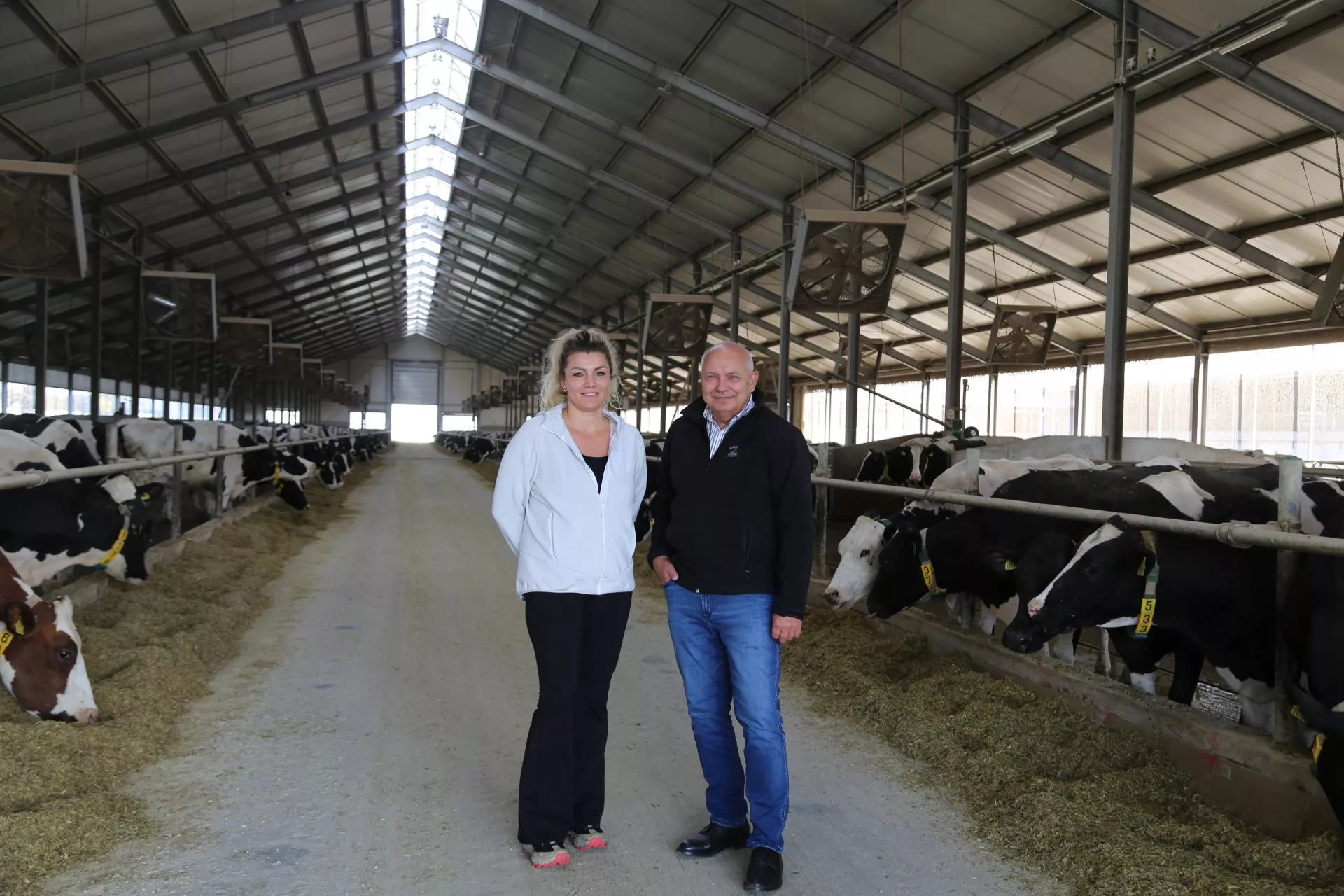
High yields alone do not guarantee profit on a dairy farm, says Paweł Baraniak, president of Stadnina Koni Pępowo, a large dairy operation in Poland. According to farm data reported by the Polish agricultural outlet topagrar.pl, at the farm's current scale every 10 grosz (hundredths of a zloty) saved per litre of milk amounts to about 2.3 million zloty a year.
Farm scale
The herd totals about 1,900 cows, of which 1,600 are Holstein-Friesian and 330 are Simmental. Around 1,540 are milked, and all cattle together number about 4,100 animals. Each day the farm delivers an average of 60,000–68,000 litres of milk to the Lactalis Polska dairy plant in Winnica. The Holstein-Friesian cows are milked three times a day in a 60-stall rotary parlour and currently average 43–44 litres a day; the best animals reach 90 litres at peak lactation.
What a litre costs
Baraniak argues costs should be assessed over a longer period, since forage and replacement animals are prepared up to 1.5 years ahead. At current prices, a litre costs about 1.80 zloty to produce, of which about 0.71 zloty is feed for milking and dry cows. Using the cost of last season's feed, which the animals are eating now, the figure falls to about 1.62 zloty. With milk priced at about 1.85 zloty, that leaves a slim margin. Fixed costs, including depreciation, wages, insurance, taxes and leases, come to about 0.55 zloty per litre.
Culling cows too early
Marta Grabowska says removing a cow early shortens the time in which she can repay her rearing costs. With average lifetime output of about 51,000 kg of milk and 3.5 lactations, herd replacement costs about 0.29 zloty per litre; one extra lactation lowers it to about 0.22 zloty. In 2025 the farm spent 1.80 million zloty on veterinary care and 0.54 million on IBR and BVD vaccinations, together about 10 grosz per litre.
Where savings are sought
The farm will not cut feeding of freshly calved cows or preventive care. Reserves are expected from better use of its own feed, lower storage losses, including silo modernisation, and better work organisation. Hidden losses include subclinical mastitis, silage contaminated with mycotoxins, failed insemination and poor calf rearing.