Law professor Čepāne: legislation bans wind turbines in Baltic Sea coastal buffer zone
Law professor Ilma Čepāne has publicly challenged legal opinions by two former colleagues arguing that Latvia's Protection Zones Law allows wind turbine construction in the Baltic Sea and Gulf of Riga coastal buffer zone. She argues the law's purpose has always been to limit construction there to protect the environment.
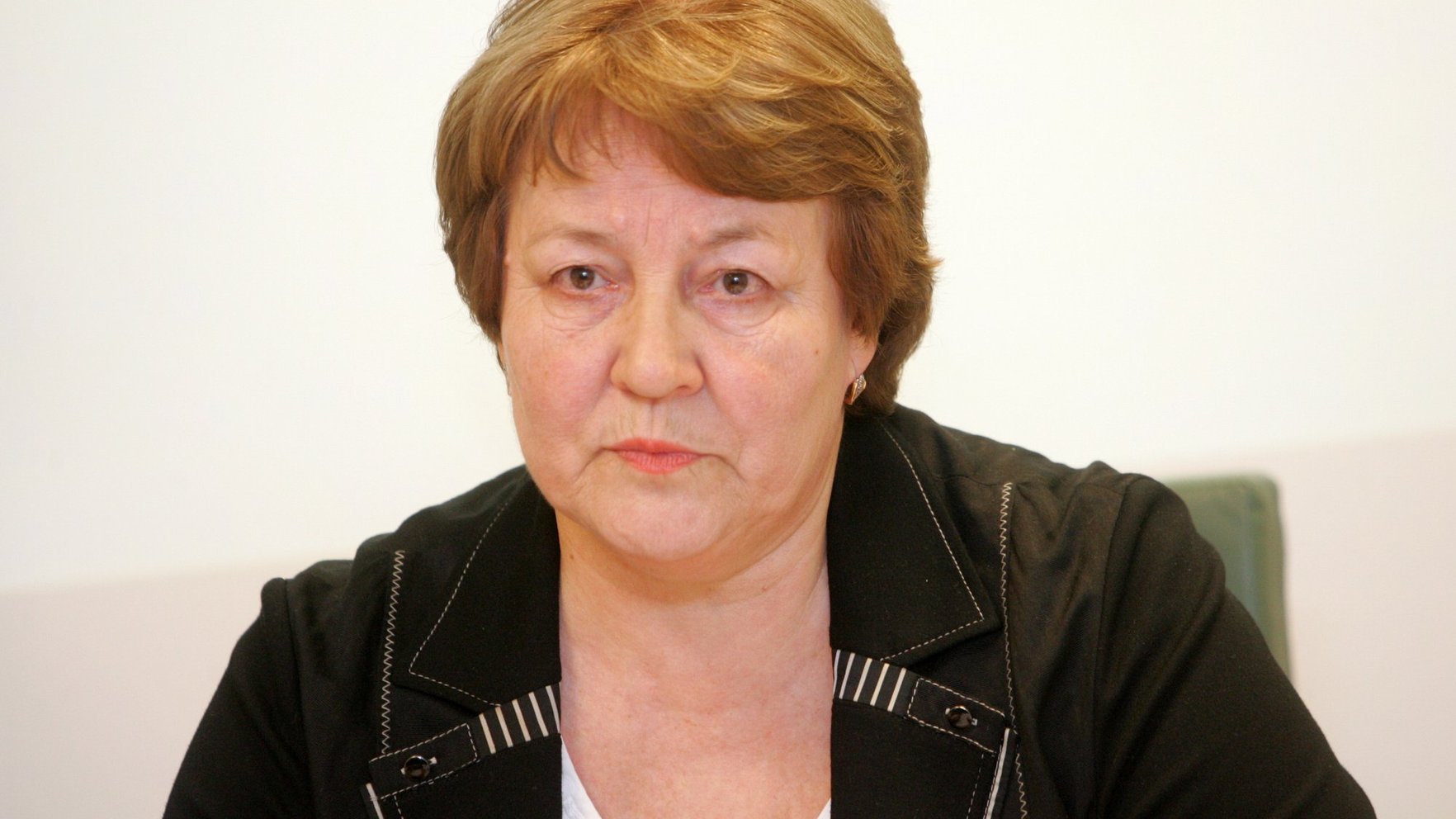
Ilma Čepāne, a longtime researcher of environmental protection and spatial planning law, has spoken out against an interpretation claiming that Latvia's Protection Zones Law permits the construction of wind power stations (VES) within the Baltic Sea and Gulf of Riga coastal buffer zone. She wrote the article after learning her name was being invoked to support the legality of such construction.
Two of her former colleagues from the Faculty of Law, who also work as practicing attorneys, prepared opinions concluding that a specific provision of the Protection Zones Law does not explicitly forbid wind turbines in the coastal zone, since such structures are not named among the prohibited objects. Čepāne counters that the provision lists specific permitted structures — a single homestead, a hotel, a viewing tower, and certain infrastructure — and that, per the legislature's intent, this list is exhaustive rather than illustrative.
Historical context
Čepāne, who as a member of the 9th Saeima took part in drafting the relevant 2009 amendments, cites the parliamentary transcript to argue that lawmakers intended to expand the list of permitted objects, not to imply that anything unlisted is automatically allowed.
Arguments against turbine construction
She stresses that the environmental impact of wind turbines on the buffer zone would be far greater than that of the objects the law does permit, since construction would require clearing roughly 80 hectares of forest. She also disputes reliance on the (now-repealed) Energy Security Law and amendments to the environmental impact assessment law as special provisions overriding the Protection Zones Law, arguing the latter is the more specific statute on this matter. Čepāne notes that the law's stated purpose for the coastal buffer zone is to reduce pollution's impact on the Baltic Sea, preserve forests' protective function, prevent erosion, and safeguard coastal landscapes and resources.
Čepāne concludes by stating she received no payment for expressing this opinion and that none of her relatives or acquaintances live near the areas in Kurzeme where the wind farm is planned.