Latvia to test transit grain shipments — one inspection could cost up to €900,000
Latvia's Food and Veterinary Service plans laboratory testing to verify the origin of grain transiting through the country, with costs of around €900,000 per shipment to be paid by the sender. The goal is to check whether grain stolen from occupied Ukraine is being moved through Latvia disguised as Russian grain.
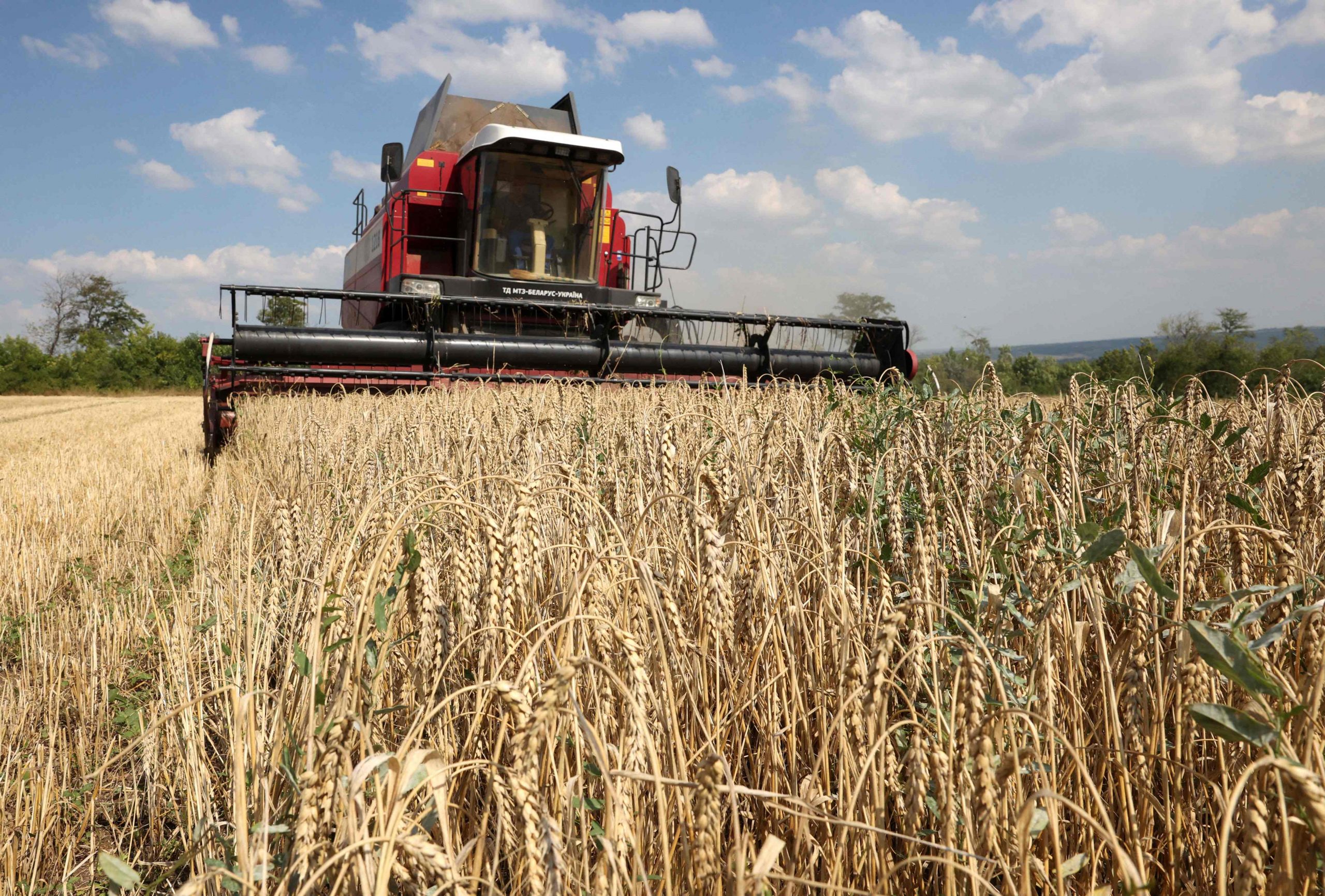
Latvia's Food and Veterinary Service (PVD) is preparing to introduce much stricter checks on grain shipments passing through the country in transit. PVD Director General Māris Balodis told Latvian Radio on Tuesday that the service currently has no authority to control transit cargo, but this will change once the government amends border-control regulations.
Once the amendments take effect, PVD will be able to check shipment documents and take grain samples to determine their geographic origin. Origin testing will require involving several foreign laboratories, and the process will be neither cheap nor fast — analysis takes about a month, and testing a single shipment could cost roughly €900,000.
Shipper will foot the bill
Balodis explained that the sender of the cargo will pay for the testing, and PVD will require prepayment before the shipment is allowed to continue. If a company refuses to pay, its cargo will not be allowed to cross the Latvian border. To carry out the new controls, PVD will likely need to hire additional staff.
Concerns over grain stolen from Ukraine
The main purpose of the checks is to determine whether grain illegally taken from occupied Ukrainian territories is being transported through Latvia under Russian-origin documentation. Ukraine has already provided information about this risk and is willing to send its own experts to Latvia to help identify Ukrainian-grown grain.
The Ministry of Agriculture notes an unusually sharp rise in demand for grain transit and transshipment from Russia, prompting the need for comprehensive origin checks at Latvian ports. Latvia has already banned imports of Russian and Belarusian agricultural products, a ban that was further expanded in August 2026.
Prime Minister Andris Kulbergs discussed the issue with Ukraine's prime minister in early September and said he was surprised that PVD had lacked authority to inspect transit grain shipments throughout the war. According to Kulbergs, pressure from grain shipments of questionable origin is currently being exerted on all Baltic ports. Lithuania introduced a similar inspection scheme in 2024 through a memorandum with Ukraine and the United Kingdom, and Latvia now plans to establish a similar cooperation arrangement.


/nginx/o/2026/05/09/17621284t1h12ff.jpg)