Food Safety Agency head: kebab shop hygiene issues can be fixed, inspections vary by risk level
The head of Latvia's Food and Veterinary Service explained on TV24 how kebab shops and other catering businesses are inspected, noting that about 10% of businesses checked in joint inspections had operations suspended.
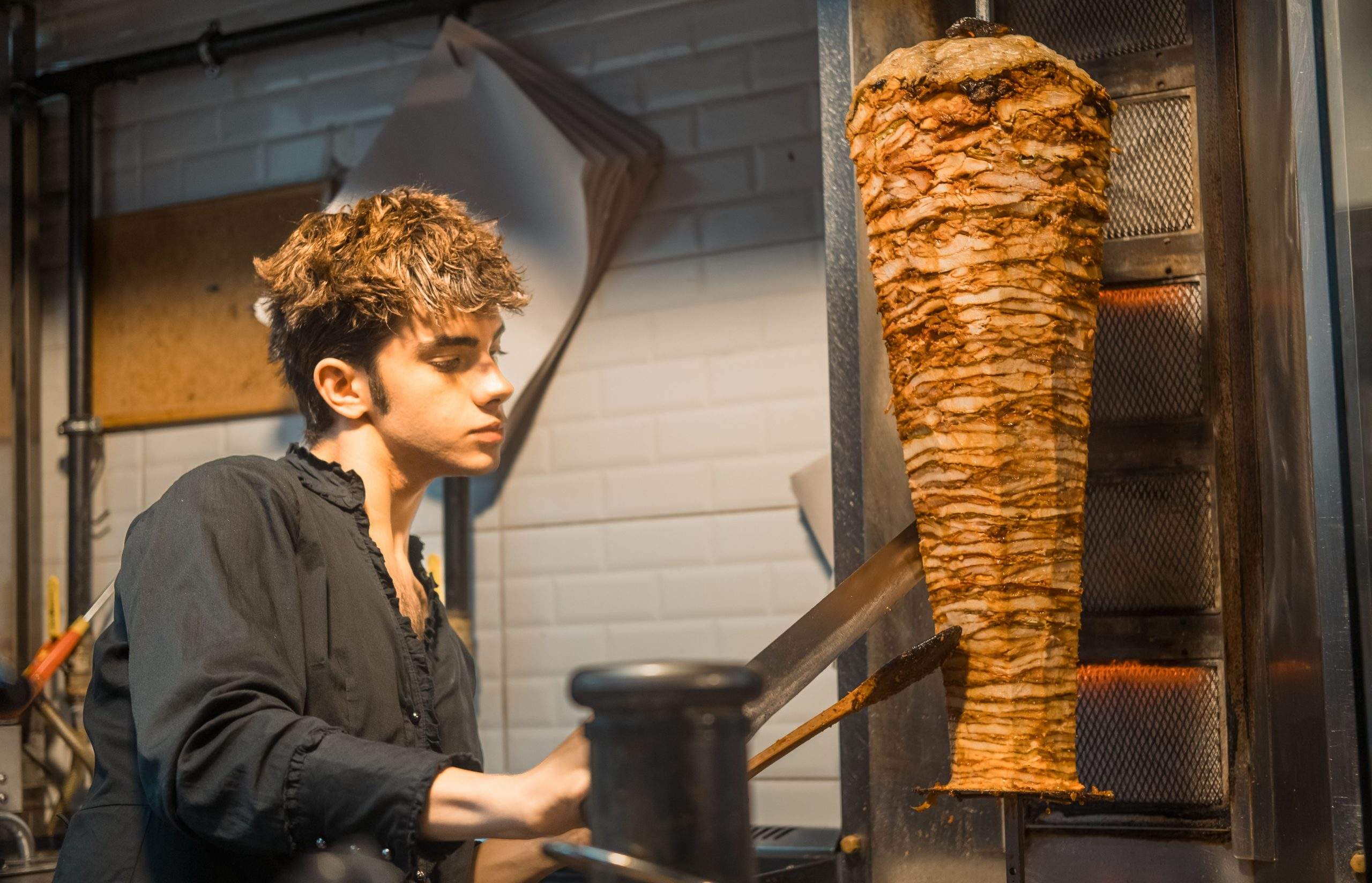
On the TV24 programme "Uz līnijas," Māris Balodis, director general of Latvia's Food and Veterinary Service (PVD), discussed hygiene oversight of catering businesses, including kebab shops.
Inspection frequency tied to risk
Balodis said kebab shops are classified in the PVD system like any other catering establishment and are inspected under the same rules as other businesses — generally at least once a year. If a business shows a low level of hygiene and food safety culture, inspections can increase to two or even three times a year. Conversely, businesses that consistently show good results may be inspected less often — up to twice less frequently than the standard schedule. This year PVD introduced a new digital planning tool that sets inspection frequency individually for each business based on its compliance record.
Joint inspections with other agencies
Balodis noted that PVD sometimes conducts inspections together with other institutions, such as the State Labour Inspectorate. In one such joint operation, more than 50 businesses were inspected in total, and roughly 10% of them had their operations suspended.
Reopening under a different name
Asked whether businesses sometimes continue operating in the same premises under a different name or a different legal entity after being shut down, Balodis confirmed such cases have occurred, but said they are usually linked to tax matters rather than to PVD's own closures. He explained that PVD closes a business by pointing out the violations found, and allows it to reopen once those issues are resolved. Balodis stressed that hygiene shortcomings can be corrected.
/nginx/o/2025/04/07/16762385t1h6e14.jpg)

