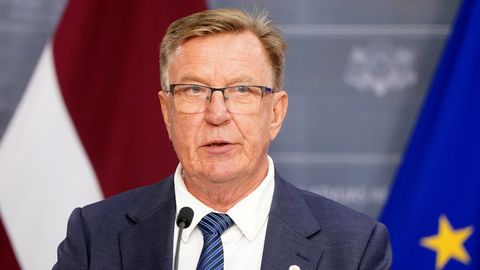
Rajevskis: Grain Transit Ban Decisions Should Rest on Data, Not Emotion
Political scientist Filips Rajevskis argues that a ban on grain transit could cost taxpayers hundreds of millions, so decisions must be data-based. Latvia's Ministry of Agriculture reported that the first transit grain sample analyses do not indicate Ukrainian origin.

The debate in Latvia over banning Russian grain transit continues. Over the weekend, the Ministry of Agriculture announced that the first analyses of transit grain samples do not point to Ukrainian origin. That removes the basis for calling the grain "bloody", as supporters of halting transit have done. The situation was commented on for the portal BNN by Filips Rajevskis, political scientist and co-founder of the company Mediju tilts.
Costs and data
Rajevskis stresses that such decisions should rest on data: on where cargo comes from, the cost of halting shipments, fines, unemployment benefits, the impact on the economy and budget, rail subsidies and port compensation. In his view, decisions cannot be made just because someone thinks the grain is "wrong", since taxpayers will pay. As examples of emotional decisions he cites the Rail Baltica infrastructure in central Riga and concrete blocks near the airport, which he says cost billions.
The political scientist notes that Latvia could impose a unilateral ban, but that would mean compensation for broken contracts, since the grain belongs to specific companies. He also recalls the statement by David O'Sullivan, the EU's special envoy for sanctions, that in the interest of global food security Russian grain transit through the EU to third countries cannot be banned.
Political context
Rajevskis considers the issue highly politicised. He notes that opinions from the Ministry of Foreign Affairs and the Ministry of Transport have not yet been received, and the prime minister is awaiting Foreign Minister Braže's position. He links the topicality to the formation of a new government, which in his view will not include "Vienotība" (Unity). The second protest, he says, was smaller than the first.
He also commented on Prime Minister Andris Kulbergs's presentation on budget changes. According to Rajevskis, it did not suggest cutting benefits or support for people with disabilities. He names as the main points no tax increases, stimulating the economy toward 4% growth, and following the findings of the State Audit Office.