Riga residents question Rīgas satiksme's double standards on delays and ticket rules
Passengers on social media are criticizing public transport operator Rīgas satiksme for strictly enforcing ticket registration rules while taking no responsibility for frequent bus and trolleybus delays. The company says registration is legally required, while delays stem from factors like traffic and road conditions.
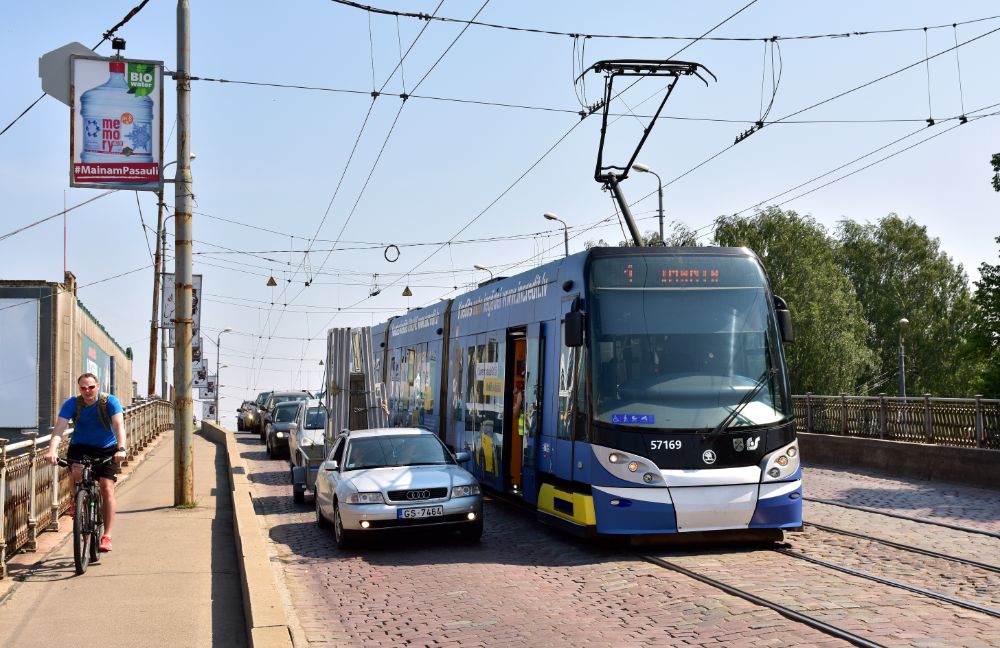
A discussion on the social platform Threads has drawn attention to why public transport passengers in Riga bear full responsibility for following ticket rules, while operator Rīgas satiksme appears to face no consequences for its own delays.
The debate began when a user asked why forgetting to register a monthly ticket trip results in an immediate fine, yet the company offers no compensation when routine bus delays cause passengers to miss work or medical appointments.
Passenger experiences
Several users shared similar complaints. One woman said a specific trip on her route regularly fails to run, and that a complaint she filed was met with an explanation citing technical issues. Another passenger noted that fines can be issued even when a ticket is registered just one stop later than required, or when an overcrowded vehicle makes it physically impossible to reach the validation device.
A particularly striking example came from a woman who said the No. 21 bus repeatedly failed to depart from its terminus on schedule, despite the route running only three times per hour. Because of such delays, she once missed a doctor's appointment her family had waited months for, and on another occasion was 40 minutes late for a speech therapy session.
Other commenters also questioned why every trip must be registered at all when a monthly ticket already grants unlimited travel.
Company's response
Rīgas satiksme states that trip registration is a legal requirement for all public transport operators, allowing for accurate passenger counts and route planning. Regarding delays, the company points out that buses and trolleybuses use shared public roads, so their schedules are affected by traffic volume, road accidents and roadworks, not solely by the operator itself.

/nginx/o/2026/09/04/17896843t1h99a2.jpg)
