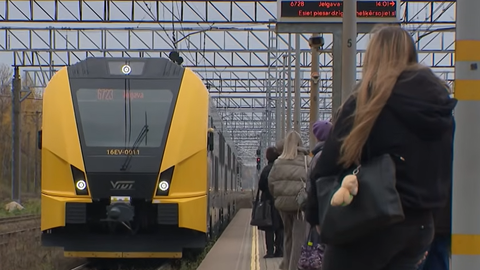
Border guard conscripts to train in Rēzekne and serve on Latvia's eastern border
Soldiers of Latvia's State Defence Service earmarked for the State Border Guard will be trained in Rēzekne and posted to the eastern border. They will also be able to apply for the border guard's special operations unit "Sigma".
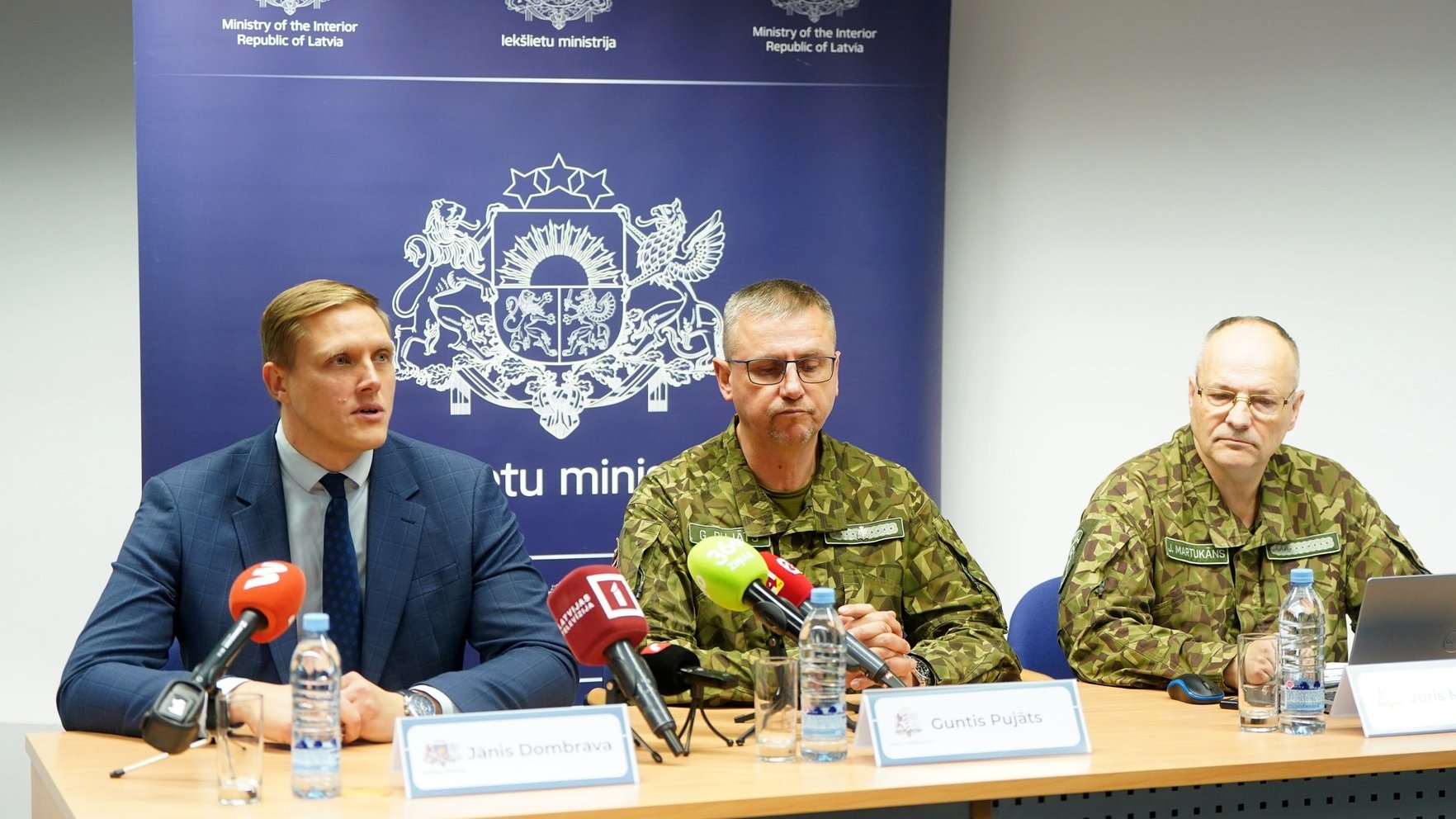
Latvian State Defence Service (VAD) soldiers assigned to the State Border Guard will be trained in Rēzekne and then sent to serve on the country's eastern border. They will also be able to apply for the border guard's elite special operations unit "Sigma", the leadership of the interior sector told journalists today. The VAD is Latvia's state-defined military service, which people can join by compulsory call-up or voluntarily.
How training will work
In the first stage, the young recruits will spend one month at bases of the National Armed Forces. Training will then continue at the State Border Guard College in Rēzekne. At the end, soldiers will gain practical experience at one of the border guard's 15 border protection units, taking part to a limited extent in guarding the green (unmanned) border.
This means their posts will be on the eastern border rather than, for example, in Ventspils. State Border Guard chief Guntis Pujāts stressed that the soldiers will specialise in land border surveillance. Volunteers, as in the army, will be able to choose where they serve.
Pujāts also said VAD conscripts will be able to apply for "Sigma", the elite unit of the Border Guard's Aviation and Special Operations Board.
No concern over volunteer numbers
Interior Minister Jānis Dombrava (National Alliance) said there are no worries that volunteer numbers will fall, saying he has heard that many people are highly motivated for such work. Pujāts also suggested the number of volunteers may rise. The minister did not state the cost of implementation today.
Plans and pay
In October the Cabinet of Ministers, after reviewing a report from the Interior Ministry, backed in principle introducing VAD in the State Border Guard. Implementation is planned from 2028, with 100 border guards admitted each year. Over time this would create a high-readiness reserve of 500 people. Over the next two years, extra staff, catering and infrastructure, including barracks, must be arranged.
Volunteers will receive a monthly compensation of 600 euros, and compulsory conscripts 300 euros. In both cases a one-off payment of 1,100 euros is paid at the end of service.