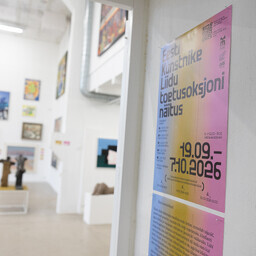
Handmade Crafts Revival: A Counter to Digitalization or Status Symbol?
Artisan fairs and craft workshops are seeing increasing attendance as people seek tangible creation in the digital age.
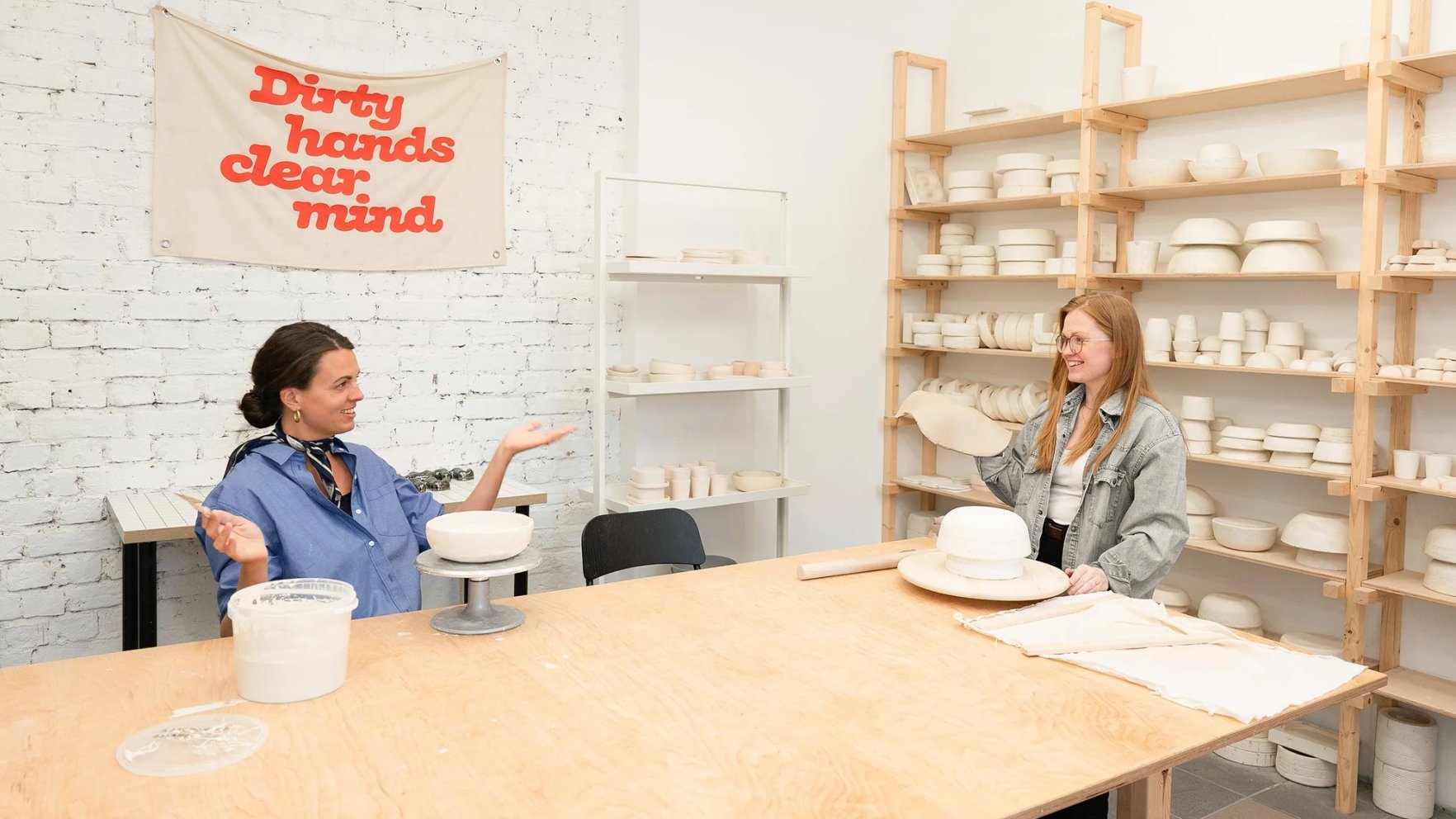
Every year in early June, long queues form near the Open-Air Museum in Riga – not for a concert, but for the traditional artisan fair. Now in its 54th edition, the event draws crowds eager to buy clay bowls, woven baskets, and linen fabrics, with no signs of dwindling interest. Similar craft markets and workshops across the country are experiencing a surge in popularity.
Journalist Lelde Dālmane, after a decade-long hiatus, returned to photography with a real camera and attended crochet classes last winter. She noticed that participants were not driven by necessity or inability to afford store-bought gloves; rather, they sought to create something 'real' with their hands, obtaining an immediate, tangible result. This reflects a broader collective sentiment: as the world becomes digital, automated, and AI-generated, people crave a counterbalance – slow, imperfect, physically crafted processes.
The question arises: is craftsmanship truly experiencing a renaissance? While digitalization continues its march, handmade work is gaining new value, both as a status symbol and as a way to reconnect with the material world. Conversations with experts and market participants suggest that this trend is not a fleeting fad but a deeper cultural shift.