El Niño has begun: Scientists warn of extreme weather and record heat
The US National Oceanic and Atmospheric Administration (NOAA) has announced the onset of El Niño, which could bring extreme weather, food shortages, and economic losses. Scientists warn this El Niño may become one of the strongest on record.
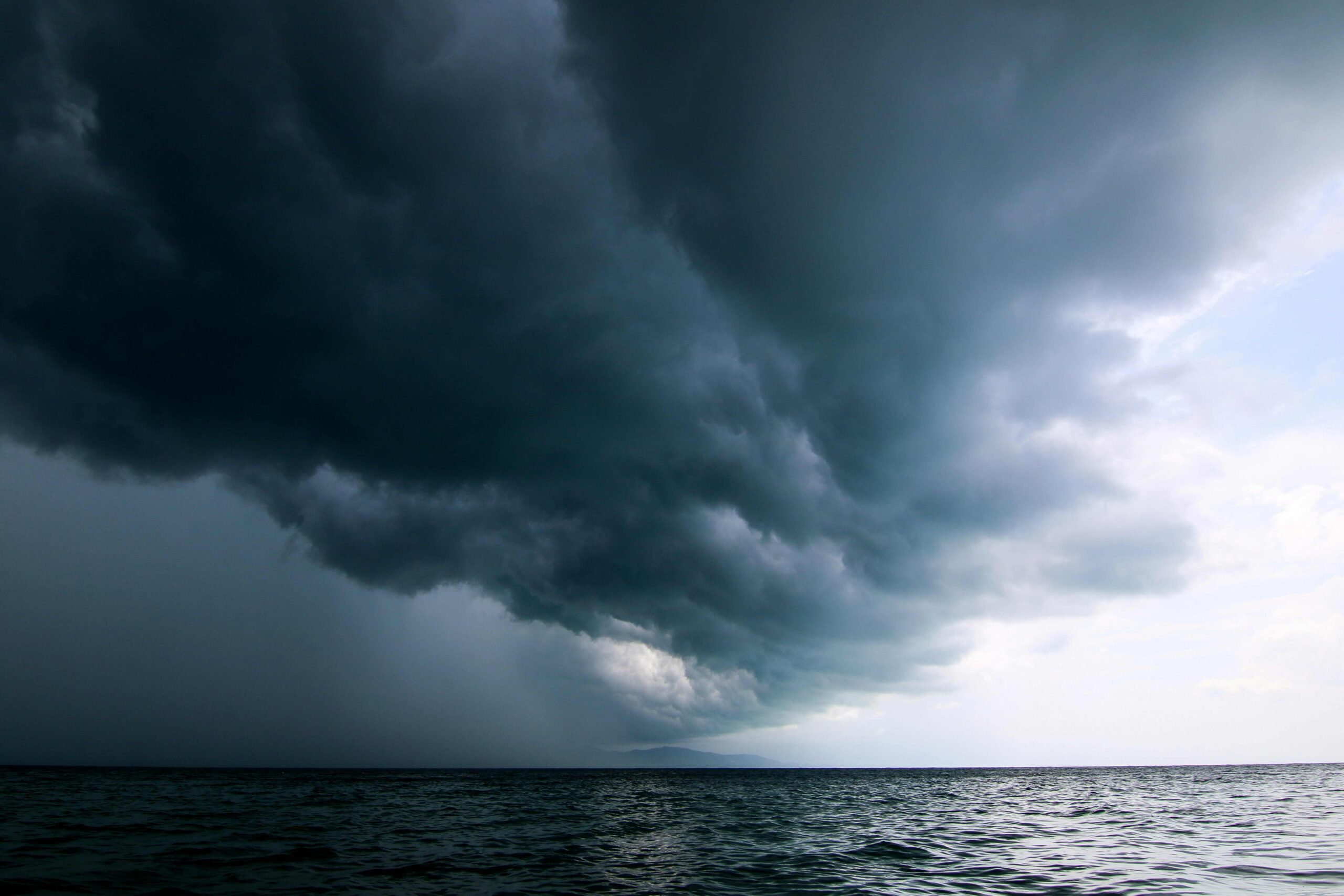
Scientists in the United States have confirmed the arrival of El Niño, a natural climate phenomenon that raises global temperatures. According to NOAA, sea surface temperatures in the tropical Pacific have risen rapidly in recent months, reaching 0.5°C above average. Many forecasts suggest this event could develop into a super-strong El Niño, potentially among the most powerful ever recorded.
The warm ocean surface, combined with human-caused global warming, could lead to record-breaking air temperatures next year. NOAA's June forecast indicates a 63% chance of a particularly strong El Niño occurring between November and January. Some US and European models predict temperature increases of up to 3°C above normal. Professor Adam Scaife of the UK Met Office warns that this El Niño is occurring in warmer conditions than previous ones, so affected regions may experience unprecedented temperature records.
El Niño's impacts will vary by region. Northern Peru and southern Ecuador face heavy flooding, which could extend to East Africa, Central Asia, and the southern United States. At the same time, drought and wildfire risks increase in Australia, Indonesia, and northern South America, threatening agriculture and food supplies. El Niño typically suppresses Atlantic hurricanes, leading to a predicted quiet season. However, Professor Liz Stephens from the University of Reading notes that this means less rainfall for Central America, raising drought concerns.
Mohamed Adow from Power Shift Africa warns of severe consequences: crop failures, rising food prices, and crises for families, especially in East Africa, which has already suffered from floods and drought. Researchers note that 2024, a year with a weak El Niño, was the hottest on record, while 2025 with La Niña was the third hottest, surpassing 2016 when a super-strong El Niño occurred.